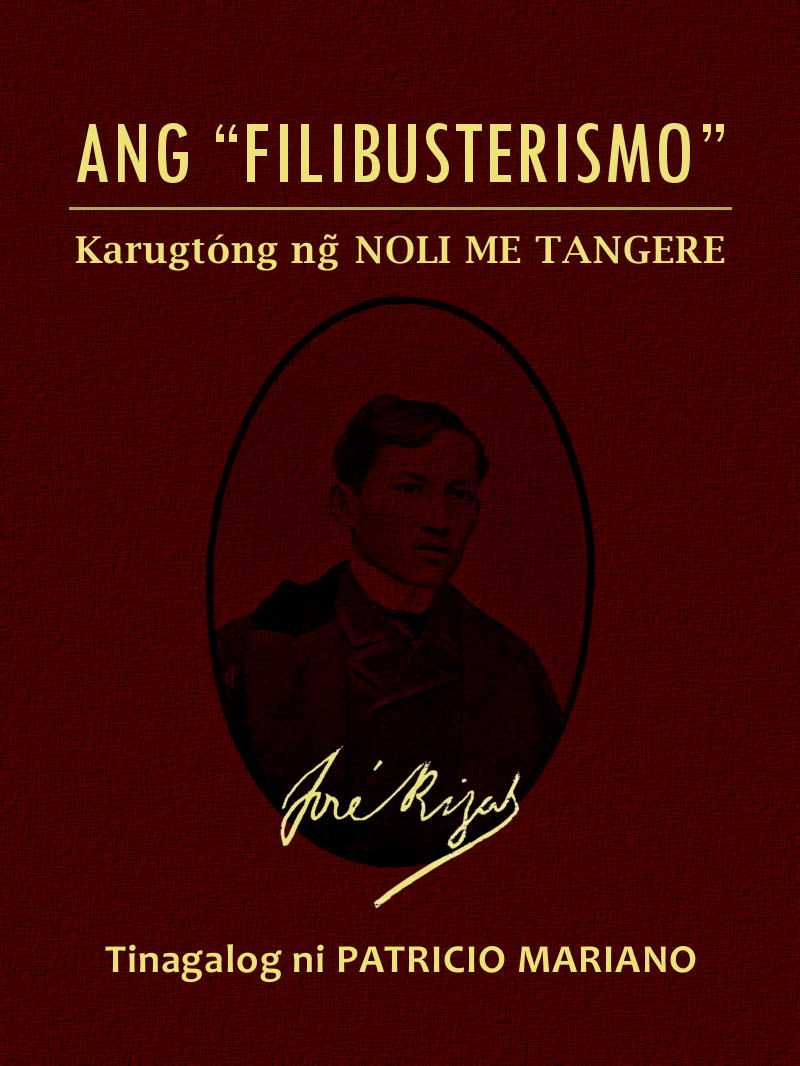
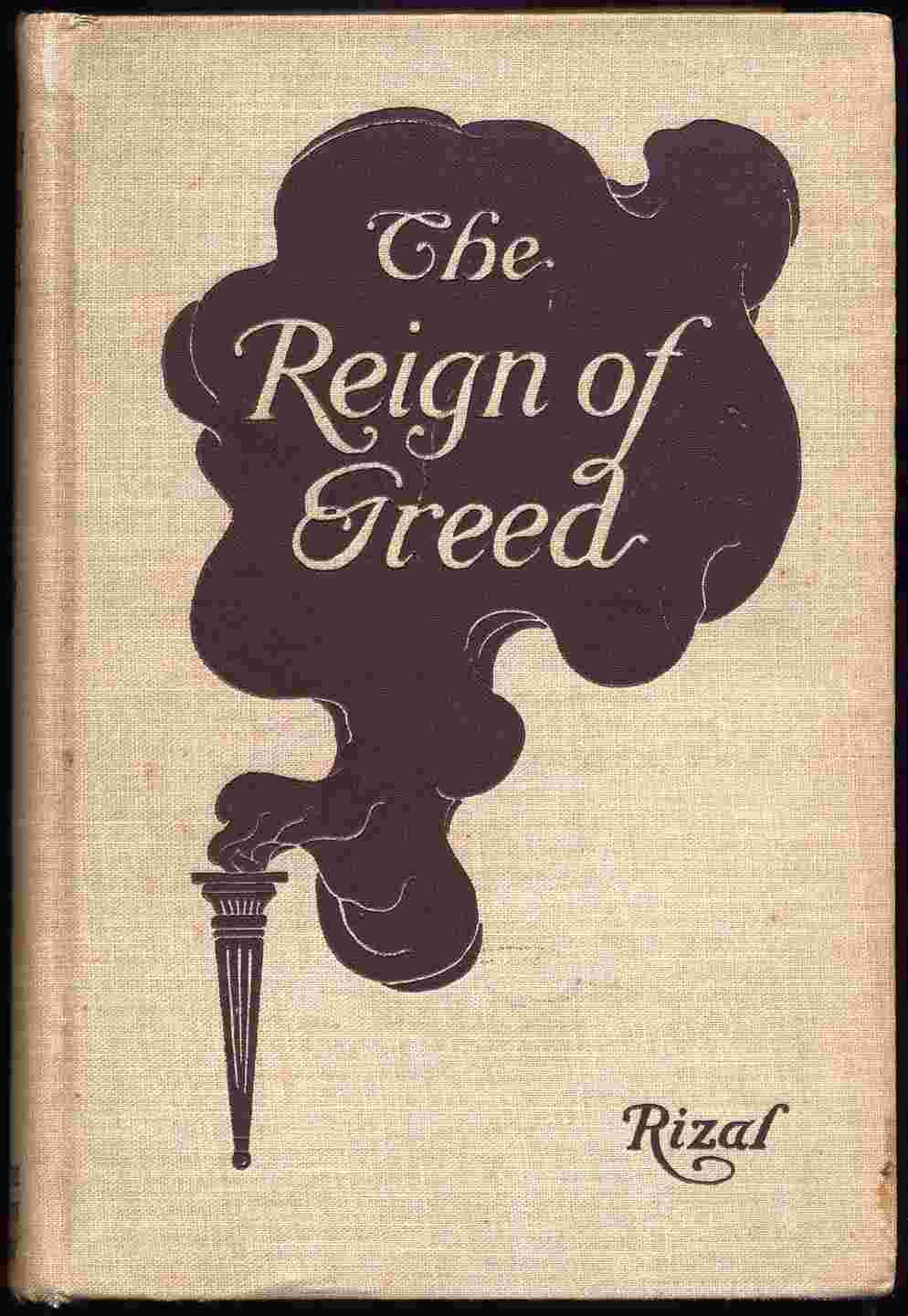



The narrative begins on the Pasig River aboard the steamship Tabo, carrying a motley crew of Spanish friars, government officials, and hopeful students. Among them is Simoun, who is actually a transformed Crisóstomo Ibarra returned from the dead with a calculated agenda of vengeance. Instead of seeking peaceful reforms, Simoun deliberately exacerbates the corruption of the colonial administration and the greed of the clergy to push the society to its absolute breaking point, believing that only total collapse can birth liberation. Parallel to Simoun's covert operations are the struggles of ordinary people, most notably Kabisang Tales, whose unjust dispossession of his hard-earned farmland by religious orders drives him to join the outlaws in the mountains.
His daughter, Huli, suffers a tragic fate that mirrors the systemic abuse destroying the peasantry. Meanwhile, a group of university students led by Isagani and Macaraig passionately fight for the establishment of an academy for the Spanish language, hoping to bridge cultural divides, only to be systematically crushed by academic bureaucracy and political paranoia. The idealism of the youth clashes sharply with Simoun's cynical accelerationism.
Simoun orchestrates a grand, explosive climax intended to wipe out the colonial elite during a high-profile wedding reception, utilizing a concealed lamp rigged with dynamite. However, personal love, in the form of Isagani's sudden intervention, inadvertently foils the plot. Mortally wounded and fleeing justice, Simoun seeks refuge with the humble priest Father Florentino, where he confesses the full extent of his destructive ambitions and bitter failures. In the novel's final hours, Simoun dies alone with his secrets, while Father Florentino casts the dead jeweler's hidden wealth into the ocean, leaving the future of the nation hanging in a heavy, contemplative silence.