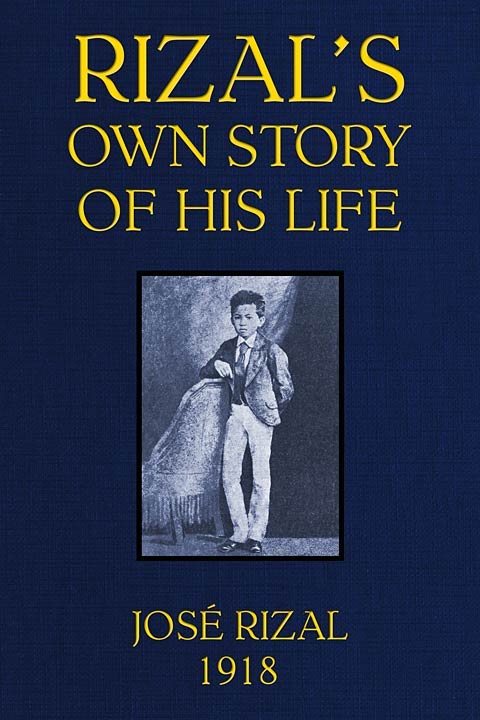


José Rizal's autobiographical writings open with a nostalgic yet clear-eyed portrait of his early childhood in the lakeside village of Kalamba. Born into a moderately prosperous family in eighteen sixty-one, he describes a disciplined upbringing grounded in family affection, religious observance, and traditional storytelling. These early years established habits of observation and a deep appreciation for the natural beauty of his surroundings, though they were soon touched by personal sorrow with the death of his younger sister Concha.
The narrative follows Rizal to the neighboring town of Biñan at age nine, where he continued his studies under a severe schoolmaster. Despite frequent corporal punishment and the initial hostility of older schoolmates, Rizal excelled academically and cultivated an early passion for painting. His description of this period captures the mixture of homesickness, intellectual curiosity, and adolescent resilience that characterized his time away from family.
Returning to Kalamba, Rizal witnessed the escalating injustices of the colonial administration, an experience that deeply marked his developing worldview. The most devastating blow to his family was the wrongful arrest and imprisonment of his mother on fabricated charges of complicity in a poisoning plot. Defended by leading Manila lawyers, she endured over two years of imprisonment before her ultimate acquittal, an ordeal that filled the young Rizal with a lasting distrust of corrupt authority and superficial friendships.
Following these family trials, Rizal was sent to Manila to continue his education at the Ateneo Municipal. Entering as a small and sickly eleven-year-old who barely spoke Spanish, he quickly rose through the academic ranks, driven by fierce competition within the Jesuit system's dual empire structure. He secured top honors, earned medals, and discovered a profound love for literature, particularly through reading Alexandre Dumas and general histories, even as he navigated the emotional turbulence of family separations and his mother's ongoing persecution.
The text also includes reflective pieces on his early reading lessons, notably his mother's recitation of the fable of the young moth and the flame. This parable left an indelible mark on Rizal, symbolizing the fatal attraction of truth and enlightenment, a theme that mirrored his own eventual life choices. Through accounts of his deportation to Dapitan and advisory letters to his nephews, the narrative underscores his lifelong belief in the power of education, moral integrity, and intellectual discipline.
Throughout these memoirs, Rizal maintains a tone of quiet reflection rather than bitter grievance. He details the everyday realities of nineteenth-century Philippine life, from corrupt local officials and arbitrary punishments to the quiet dignity of rural laborers. The collection preserves the authentic voice of a man who consciously chose to subordinate personal comfort to the service of his countrymen.
Concluding with chronological records and selections from his poetry and folklore, the volume illuminates the trajectory of a scholar and reformer. It traces how an observant boy from Kalamba grew into a figure of profound moral courage. The material provides essential context for understanding the intellectual and emotional bedrock of the man who became the national hero of the Philippines.