

John Mackinnon Robertson presents a comprehensive historical survey of the development of freethought, tracing its intellectual currents from the early modern period through the nineteenth century. The volume meticulously documents how the rigid enforcement of orthodoxy through executions, imprisonment, and censorship failed to suppress the undercurrents of skepticism and rationalism.
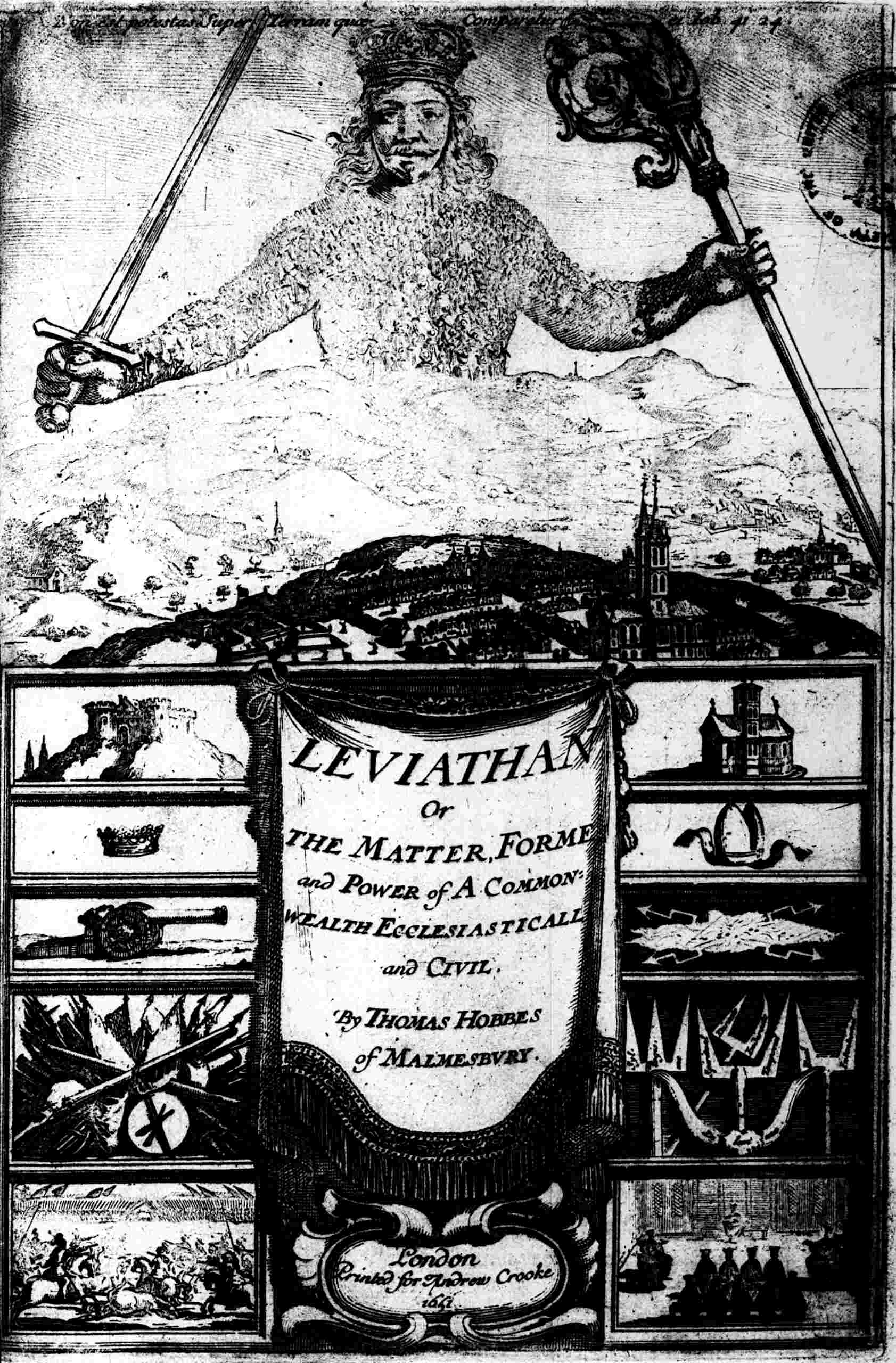
In England, the narrative follows the turbulent path from Tudor persecutions and Elizabethan censorship to the underground ferment of the civil wars, the philosophical contributions of Hobbes and Locke, and the gradual rise of deistic literature. The author examines the intricate interplay between political power and religious dogma, showing how the machinery of church and state continually sought to crush heresy while inadvertently stimulating intellectual resistance.
Moving across Europe, the text explores the stagnation enforced by the Spanish Inquisition, the philosophical martyrdoms of Giordano Bruno and Lucilio Vanini in Italy, and the cautious yet revolutionary progress of scientific thought through Copernicus and Galileo. The Counter-Reformation emerges as a powerful apparatus designed to stifle natural philosophy, yet science and reason persistently forged alternative pathways for human understanding.
The progression continues through the eighteenth and nineteenth centuries, mapping the sweeping currents of biblical criticism, natural sciences, sociology, and philosophy. The text highlights how intellectual pioneers fought against the panic and reaction following the French Revolution, ultimately expanding the boundaries of human knowledge and securing a permanent place for critical inquiry in modern society.