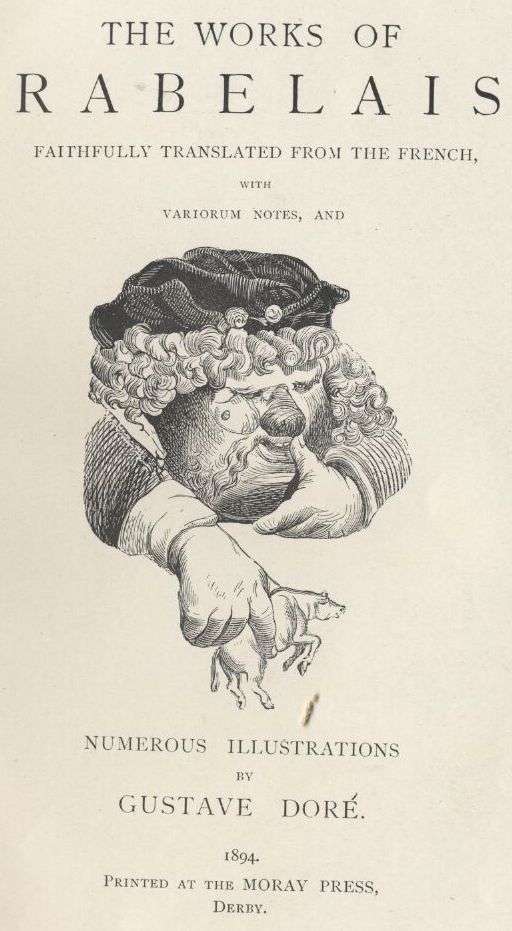




The narrative begins with the miraculous birth of Gargantua, a giant whose first cries demand a flood of wine, setting the tone for a monumental tale of appetite and intellect. Raised under the absurd tutelage of medieval sophisters, Gargantua learns nothing of value until his father Grangousier replaces them with the humanist tutor Ponocrates, who institutes a rigorous, holistic regimen of physical training, classical learning, and direct observation. This education is soon tested when a border dispute over hot cakes between the local bakers of Lerne and Grangousier's shepherds erupts into a full-scale war, masterminded by the bellicose king Picrochole. As Picrochole's forces lay waste to the countryside, the abbey's close is defended with ferocious and comic brutality by Friar John of the Funnels, a hard-drinking, cross-brandishing monk who slaughters thousands single-handedly.
Gargantua is recalled from Paris, returning astride a monstrous mare that levels a forest with her tail and drowns the enemy army in a flood of urine. Following a decisive victory, Gargantua establishes the Abbey of Theleme as an antidote to traditional monasticism, where free-willed ladies and gentlemen live according to the rule of do what thou wilt. The second part introduces Gargantua's equally formidable son, Pantagruel, whose scholarly journeys to Paris lead him to acquire the cunning companion Panurge. Pantagruel dispenses remarkably wise judgments in impossible legal disputes and ultimately leads an expedition to the distant Oracle of the Holy Bottle to resolve Panurge's obsessive anxieties about marriage. The journey takes the companions across bizarre allegorical seas populated by strange creatures, catchpoles, and legal abstractions, blending profound humanist commentary with unrestrained linguistic invention.