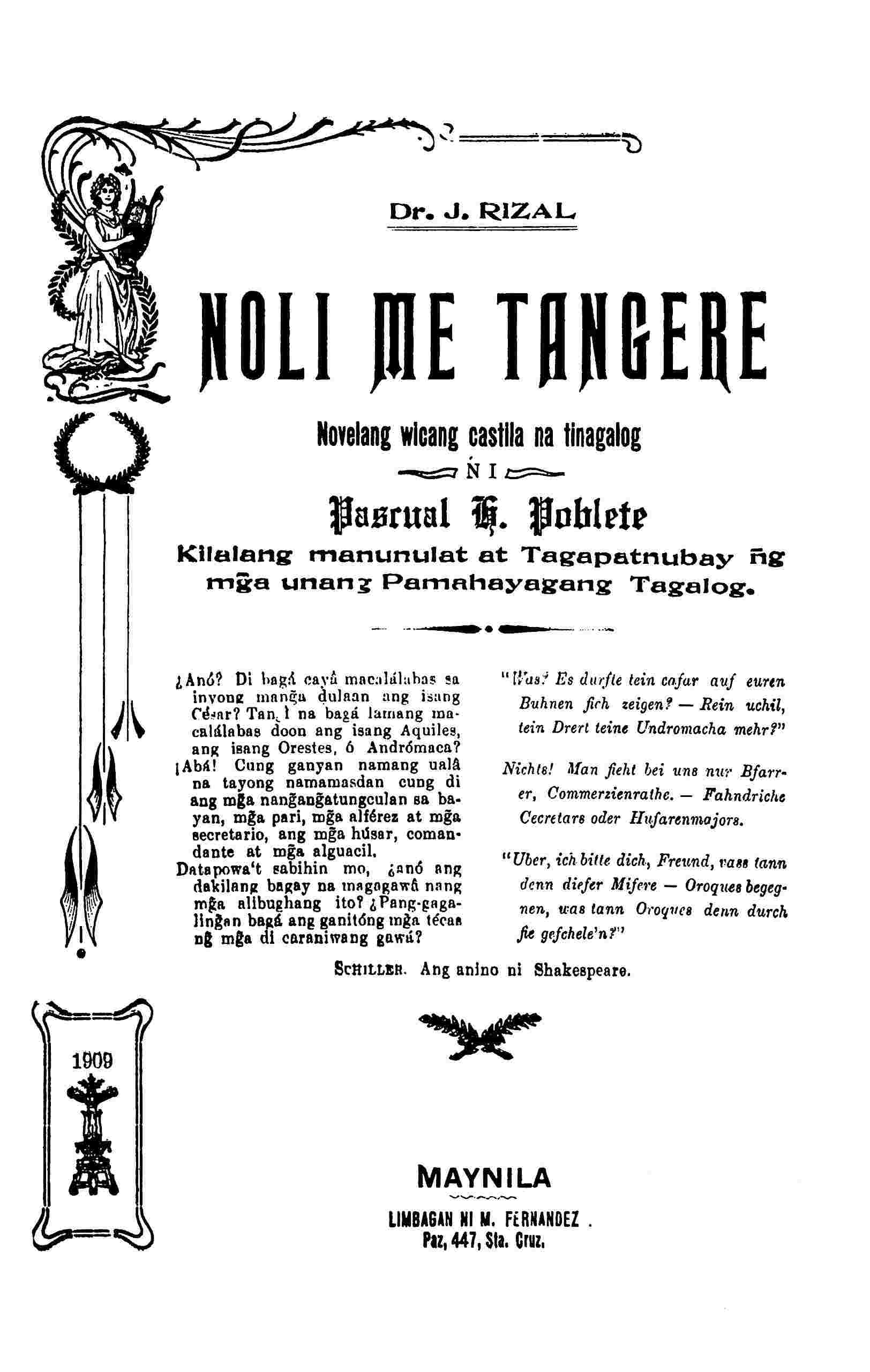





The narrative opens with a grand welcome dinner hosted by Capitang Tiago in Manila for Crisóstomo Ibarra, a young Filipino who has spent seven years studying in Europe. Ibarra seeks to modernize his homeland and marry María Clara, the daughter of Tiago. However, his idealistic vision immediately clashes with the entrenched power of the local clergy, embodied by the arrogant Father Dámaso and the obsessive Father Salví.
As the plot develops, the shadow of Ibarra's late father looms large. Father Dámaso had persecuted the elder Ibarra, driving him to a lonely death in prison and even having his corpse exhumed and desecrated. Ibarra attempts to build a school to educate the youth, a project subtly sabotaged at every turn by the ecclesiastical authorities who fear an enlightened populace.
Parallel storylines trace the heartbreaking descent of Sisa, a destitute mother whose young sons, Crispin and Basilio, are pressed into service as sacristans and falsely accused of theft by the church. The younger son suffers brutal abuse, leading to a tragic separation that drives Sisa completely insane as she wanders the countryside searching for her children.
Tensions culminate during a town fiesta where a near-fatal trap is sprung on Ibarra during the construction of the school building. Although he survives, the clergy manipulates the situation, ultimately framing him as a revolutionary and a heretic. The social fabric of the town is laid bare, showcasing the complicity of local officials and the blind fanaticism fueled by corrupt religious practices.
The narrative closes on a somber note as Ibarra is arrested and disgraced, while María Clara is coerced into an arranged marriage with another man. The novel exposes the mechanisms of colonial oppression without offering a neat resolution, leaving the reader with a stark portrayal of a society on the brink of an inevitable storm.