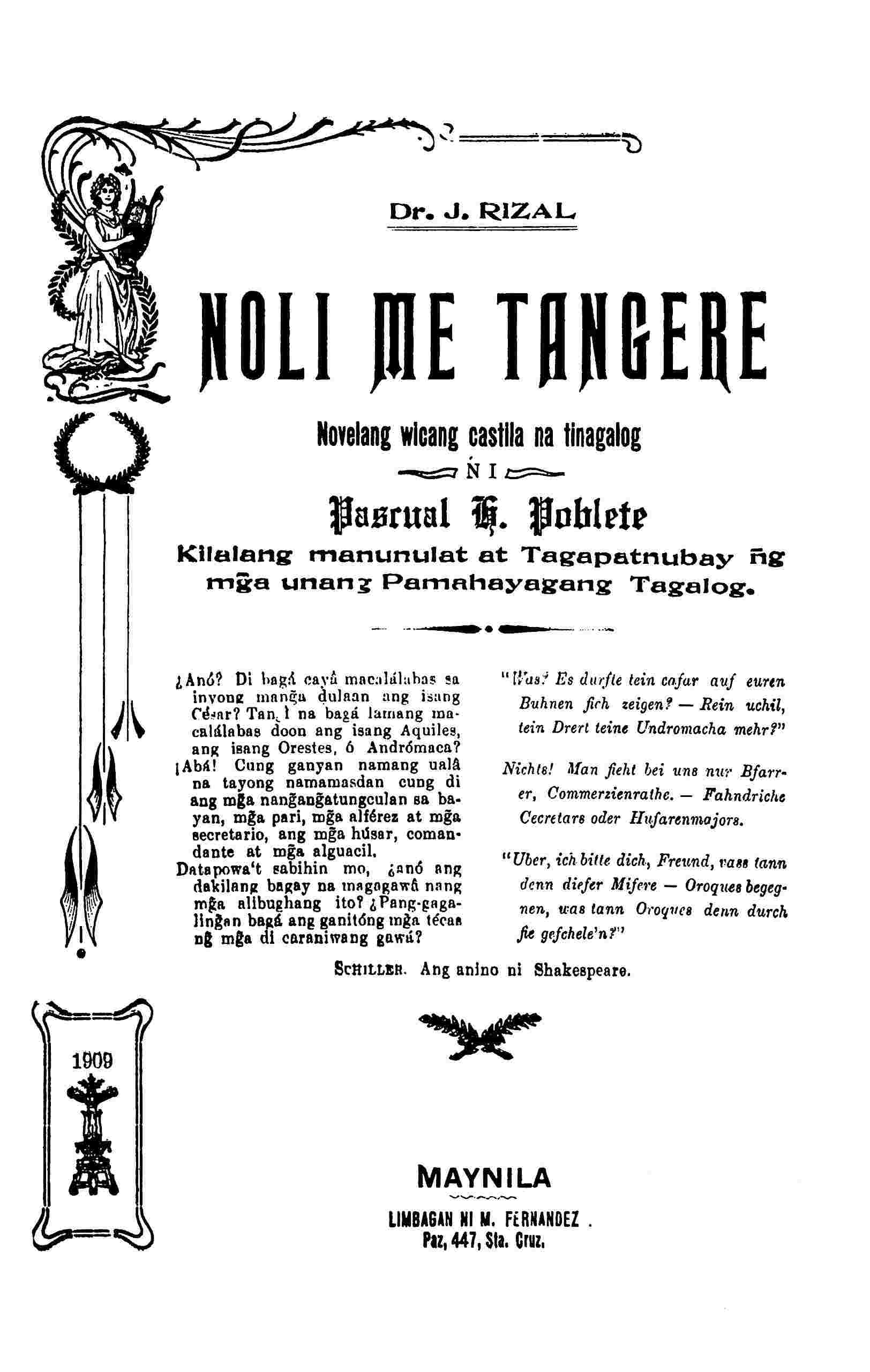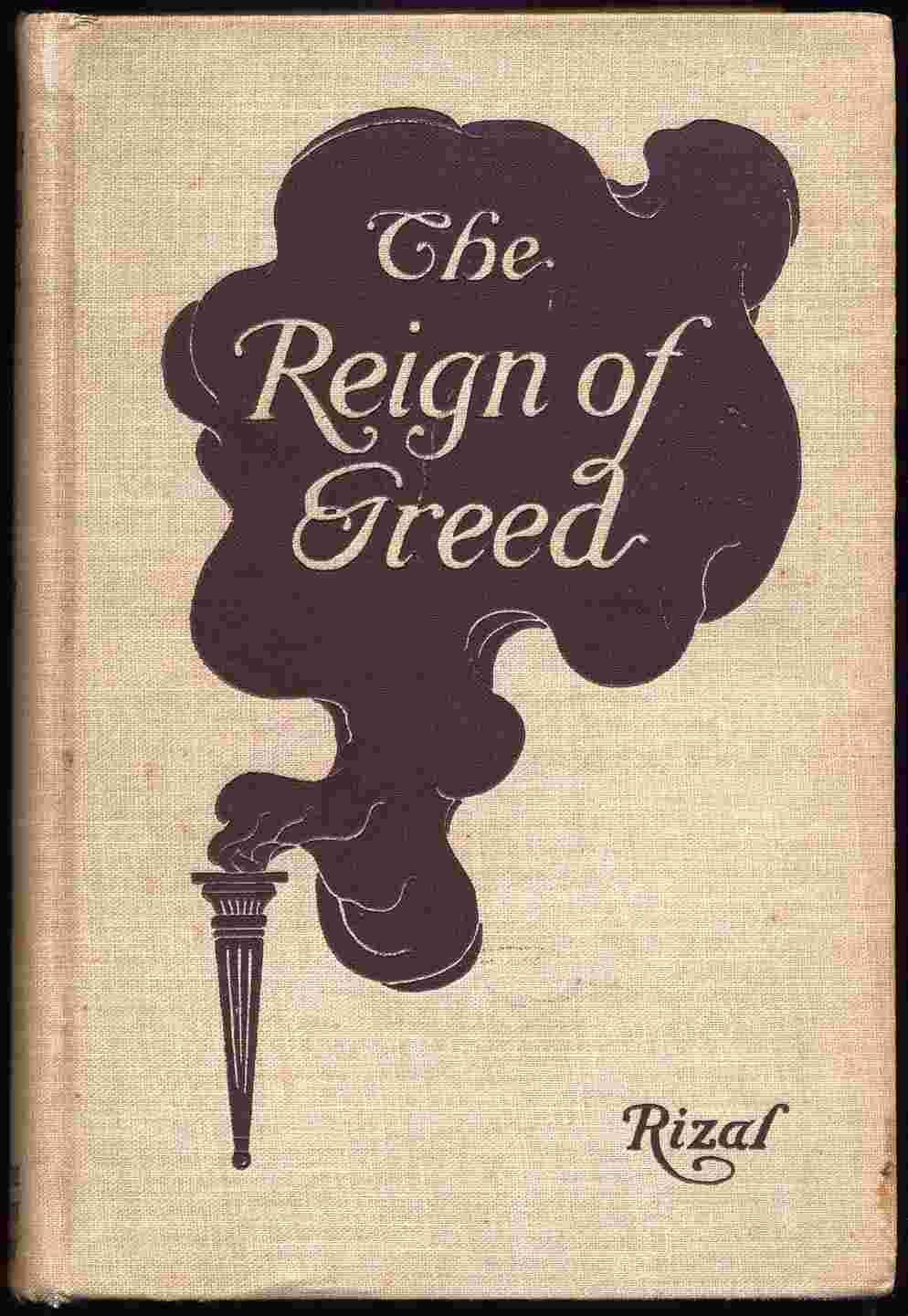






The narrative opens aboard the ponderous steamer Tabo as it slowly ascends the Pasig River, carrying a diverse company of passengers that includes friars, government officials, and the wealthy jeweler Simoun. Beneath the surface of polite discourse and trivial arguments lie simmering resentments and systematic oppression, vividly illustrated by the tragic fate of Cabesang Tales. Once an industrious farmer, Tales loses his hard-earned lands to a religious corporation through judicial corruption, driving him to desperation and eventually into the ranks of the outlaws. Meanwhile, a group of idealistic students, led by figures like Basilio and Isagani, agitate for educational reform and the establishment of an academy for the study of Castilian.
Their well-intentioned efforts run headlong into the entrenched resistance of the monastic orders and bureaucratic indifference, frustrating their hopes for peaceful assimilation. Simoun, operating in the shadows as the confidant of the Captain-General, secretly fuels this widespread discontent, intentionally exacerbating injustices and administrative abuses to provoke a general uprising. As the characters navigate these moral and political dilemmas, the narrative lays bare the profound decay of the colonial system. Simoun's clandestine meetings with Basilio reveal his radical philosophy: that true liberation cannot be begged from oppressors, but must be wrested through self-reliance and revolutionary struggle. Ultimately, the novel weaves together multiple storylines of personal grief, institutional greed, and ideological conflict, painting a complex portrait of a society rushing toward a violent reckoning.