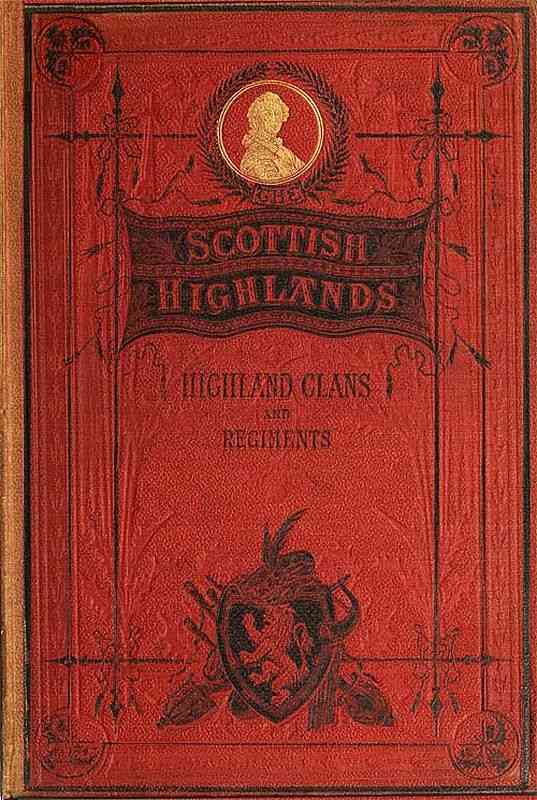

The work opens with an exhaustive examination of the Roman campaigns in North Britain, analyzing Agricola's strategy, the battle of Mons Grampius, and the enduring significance of the northern fortifications. The narrative then addresses the perennial ethnological puzzles surrounding the early inhabitants, carefully weighing contemporary Roman records against ecclesiastical chroniclers like Bede and Adamnan to evaluate the Gothic, Gaelic, and Cymric theories of Pictish origins.
A central theme is the profound transformation wrought by St. Columba and his monastic mission from Iona, which systematically replaced indigenous paganism with Christianity across the northern territories. The text reconstructs the arrival of the Dalriadic Scots under Fergus and his brothers in Argyle, detailing their early settlements, the internal dynastic struggles between the houses of Lorn and Gauran, and their recurrent conflicts with the Picts and Strathclyde Britons.
Attention is given to the persistent pressure exerted by Scandinavian Viking raids upon the western isles and mainland shores during the eighth and ninth centuries. These external threats and internal dynastic collisions weakened the Pictish kingdom, setting the stage for Kenneth Macalpin's decisive political consolidation in the mid-ninth century.
Throughout the study, the author eschews romantic fabulism in favor of rigorous source criticism, utilizing authentic king-lists, ancient land registers, and topographical linguistics to illuminate a notoriously obscure epoch. The volume concludes by analyzing the social framework of early Dalriada, including its legal structures, tanistry, and the system of fosterage that cemented clan loyalties.
The narrative gently anticipates the ultimate unification of the Picts and Scots under a single crown, which would permanently alter the geopolitical landscape of northern Britain and lay the foundation for the medieval Scottish kingdom.