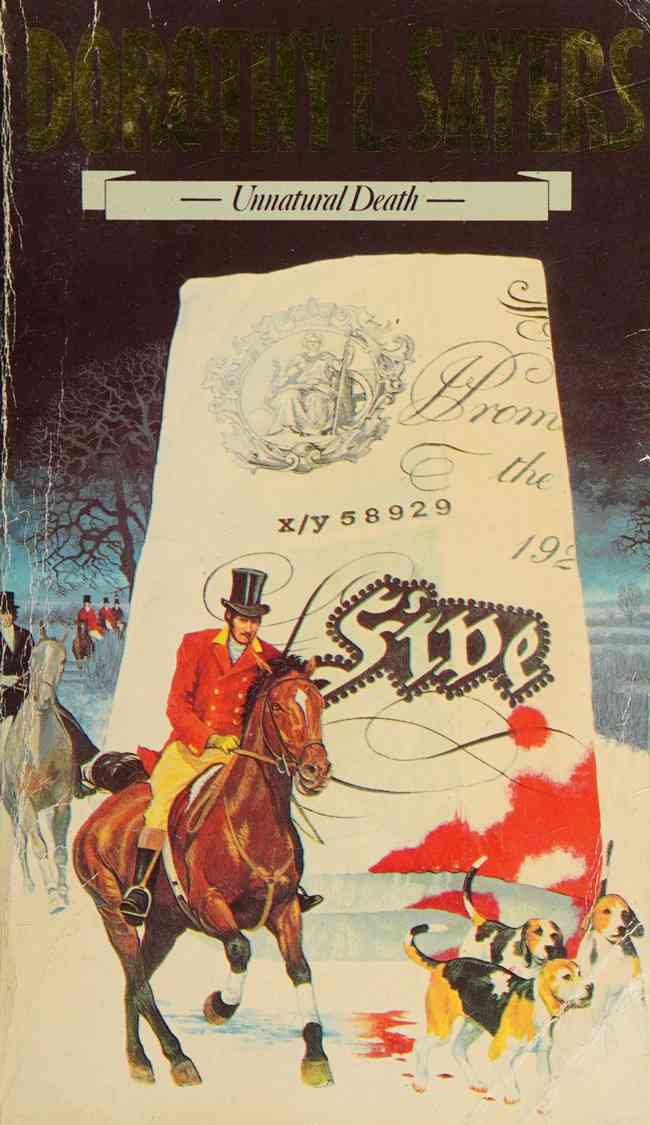



The narrative centers on the sudden and seemingly natural death of Agatha Dawson, an elderly and wealthy woman suffering from cancer in a small Hampshire town. A local doctor, convinced that something is amiss, raises suspicions but is met with social ostracism and professional ruin. Lord Peter Wimsey, drawn into the mystery by the sheer implausibility of the medical verdict, begins to investigate with the assistance of his friend Detective-Inspector Parker and a network of discreetly inquisitive agents. The core of the puzzle lies in a race against time involving the new Property Act of nineteen twenty-six.
Under the old law, the great-niece and companion Mary Whittaker was set to inherit the old lady's vast fortune. However, the legal changes threatened to exclude distant relatives, creating a powerful financial incentive to ensure the testatrix died before the new year began. As Wimsey digs deeper, uncovering clumsy attempts at secret will-making and encountering a trail of mysterious deaths among former servants who knew too much, he peels back the layers of Victorian respectability. The story explores the chilling ease with which a clever person can commit murder under the guise of natural illness and medical inevitability, challenging the comforting illusion that violent crimes always leave obvious traces.