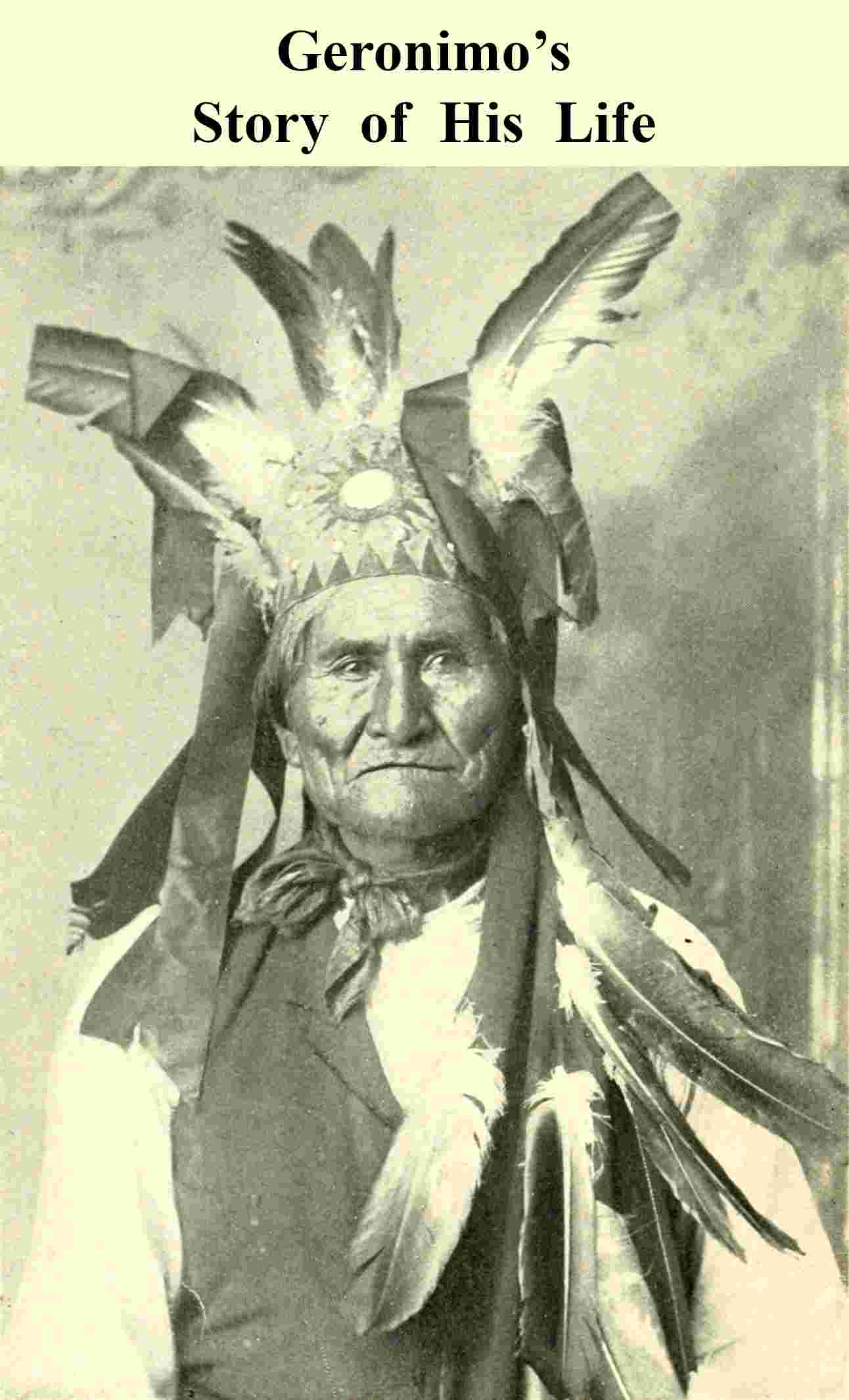





The narrative begins with the Apache creation myths, describing how Usen created the tribe and placed them in the western mountains with everything necessary for survival. Geronimo details his early life, the tribal customs, social gatherings, religious practices, and traditional methods of hunting and farming. A pivotal tragedy occurred in eighteen fifty-eight when Mexican troops massacred his family and members of his tribe at Kaskiyeh while the men were in town trading. This event initiated a lifetime of relentless warfare and vengeance against Mexico, leading to his election as war chief.
Geronimo describes numerous raids and battles, explaining the military tactics, the hardships of the warpath, and the cycle of retaliation between the Apaches, Mexicans, and later the United States military. He recounts the coming of white men, the initial peace treaties, and the subsequent broken promises and violent conflicts. He places particular blame on the military for treacherously capturing Apache leaders like Mangus-Colorado and murdering him under the guise of prisoner status. Despite the overwhelming odds, Geronimo and his small bands utilized the rough terrain of the Sierra Madre Mountains to evade capture for years.
The final chapters detail the relentless pursuit by General Miles and Captain Lawton, which ultimately forced Geronimo to negotiate. He describes the terms of surrender agreed upon in Skeleton Cañon, where promises were made that the Apaches would be united with their families and eventually returned to a home in Arizona. Instead, they were transported to Florida as prisoners of war, subjected to hard labor, and later moved to Alabama and Oklahoma. The book concludes with Geronimo's reflections on his life at Fort Sill, his attendance at the Saint Louis World's Fair, his conversion to Christianity, and his persistent hope that his people will finally be permitted to return to their ancestral homeland in Arizona.