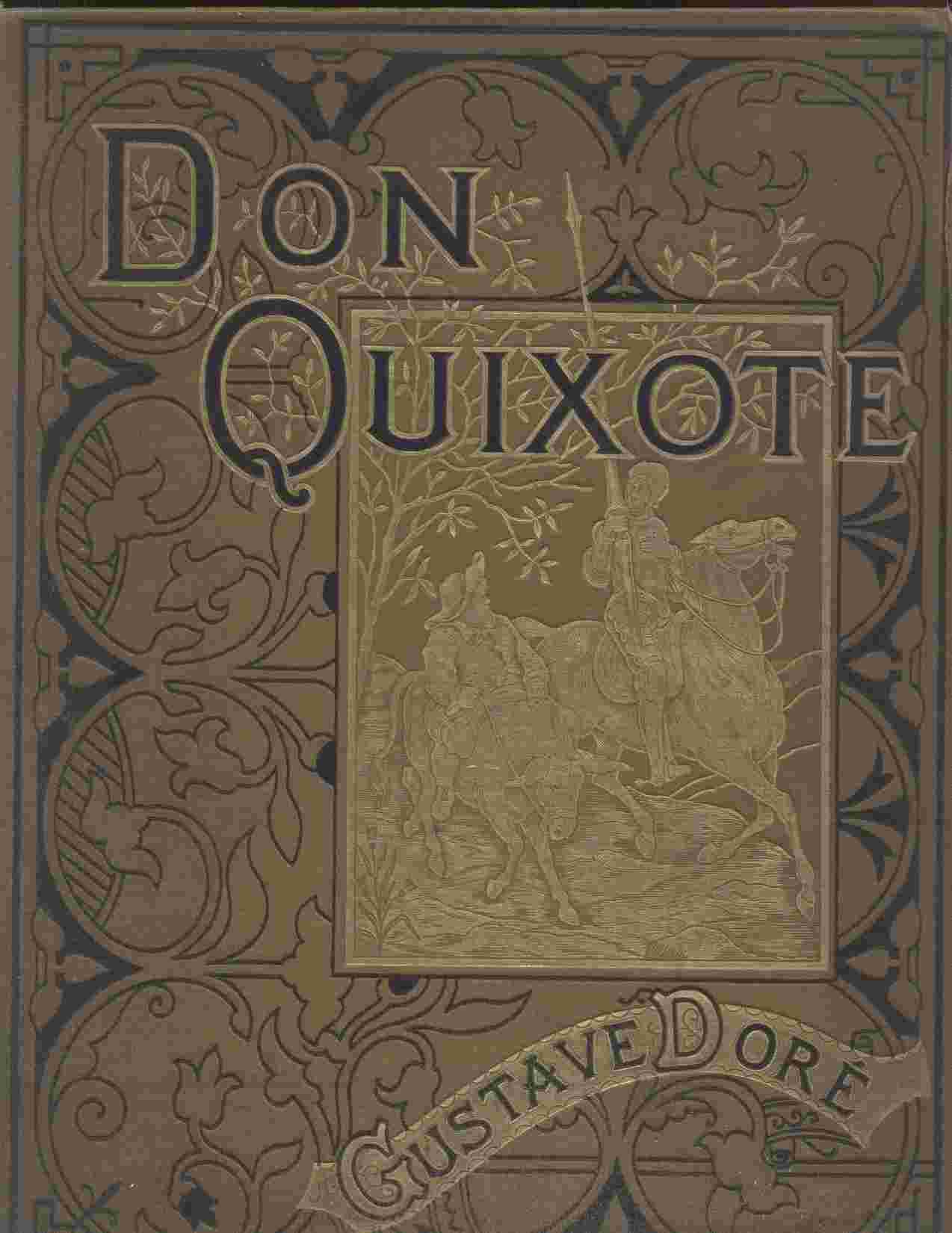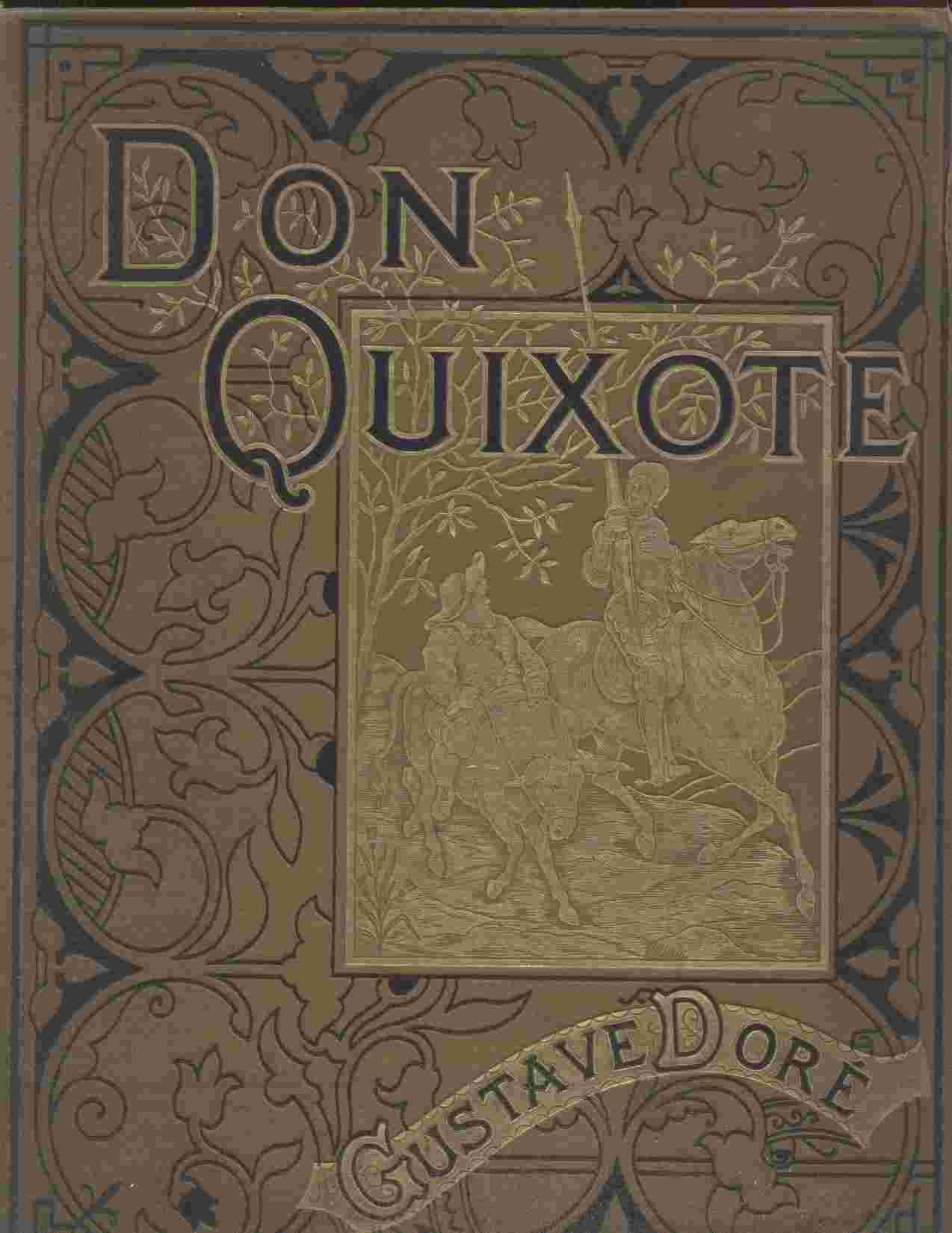


Miguel de Cervantes writes about the delusions of a minor country gentleman named Alonso Quixano, whose excessive reading of chivalric romances drives him to madness. Believing himself bound to revive knight-errantry, he renames himself Don Quixote and sets out upon his skeletal steed, Rocinante, to right wrongs across the plains of La Mancha. He recruits a simple peasant, Sancho Panza, as his squire, offering him governance of a fictitious island. Their encounters with ordinary sixteenth-century Spanish life—misinterpreting windmills as giants, inns as castles, and peasants as nobility—generate a constant friction between high-minded idealism and brutal, unyielding reality.
The narrative unfolds as a series of episodic misadventures where Don Quixote imposes his literary fantasies onto mundane circumstances. These encounters expose social hypocrisy and examine the limits of perception. Sancho acts as a crucial grounding force, using folk proverbs and pragmatic observations to counter his master's grand delusions, even as he slowly adopts elements of his master's romantic worldview. The dynamic between the visionary master and his down-to-earth squire forms the emotional and intellectual core of the novel.
Interspersed within the primary quest are independent novellas, pastoral digressions, and philosophical debates concerning the nature of art, governance, and human sanity. Characters such as the elusive shepherdess Marcela challenge conventional notions of duty and love, offering a sharp critique of social pressures. The work gradually shifts from broad physical comedy toward a deeper exploration of identity, illusion, and the melancholic burden of self-deception.
As the narrative progresses, external forces—friends, local authorities, and cynical nobles—attempt to cure Don Quixote by orchestrating elaborate theatrical deceptions. These interventions force the characters to confront the tension between who they are and who they pretend to be. The boundary between sanity and madness blurs as the protagonists influence one another deeply.
The novel addresses the problem of how human beings cope with a disenchanted world through myth and imagination. It questions whether noble illusions are more valuable than harsh truths, framing the human condition as an ongoing negotiation between ideals and practical limitations.
The volume concludes with the temporary halt of their open-air wanderings, setting the stage for further reckonings with impostors and the ultimate cost of maintaining an impossible vision in a skeptical age.