



The narrative opens with a detailed and affectionate account of Equiano's early life in the Eboe province of the kingdom of Benin, describing the simple yet dignified customs, agriculture, and social structure of his people. At the age of eleven, his life is shattered when he and his sister are kidnapped from their home by slave traders. After enduring the agonizing separation from his sister and passing through several different masters within Africa, young Equiano is finally marched to the coast and forced onto a slave ship. The horrific Middle Passage brings him to Barbados, after which he is shipped to Virginia and eventually purchased by Michael Henry Pascal, a lieutenant in the British Royal Navy.
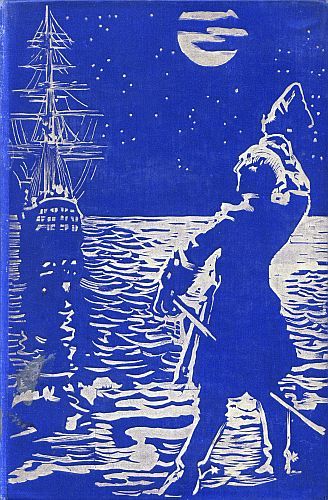
Renamed Gustavus Vassa by his master, Equiano spends years at sea, traveling to England, Guernsey, and participating in naval expeditions during the Seven Years' War, including the siege of Louisbourg. Despite learning to read and write and receiving Christian baptism, he remains a slave and is subjected to constant uncertainty. Following the conclusion of the war, he is sold again and transported to the West Indies under the ownership of Robert King, a humane merchant in Montserrat. During this period, Equiano works tirelessly on sloops and as a clerk, while diligently trading on his own account with a tiny starting capital. Through remarkable thrift and business acumen, he gradually accumulates the exact sum required to purchase his freedom.
Once manumitted, Equiano continues to sail as a free man, weathering terrible shipwrecks on the Bahama banks, confronting violent prejudice and the persistent threat of illegal re-enslavement in the American South, and engaging in extensive mercantile ventures. His travels eventually lead him back to London, where he associates with abolitionists and works with Doctor Charles Irving on experiments to desalinate sea water. The autobiography concludes as a powerful testament to human endurance, detailing the systemic atrocities of the transatlantic slave trade while championing the inherent dignity, intellect, and equality of all human beings.