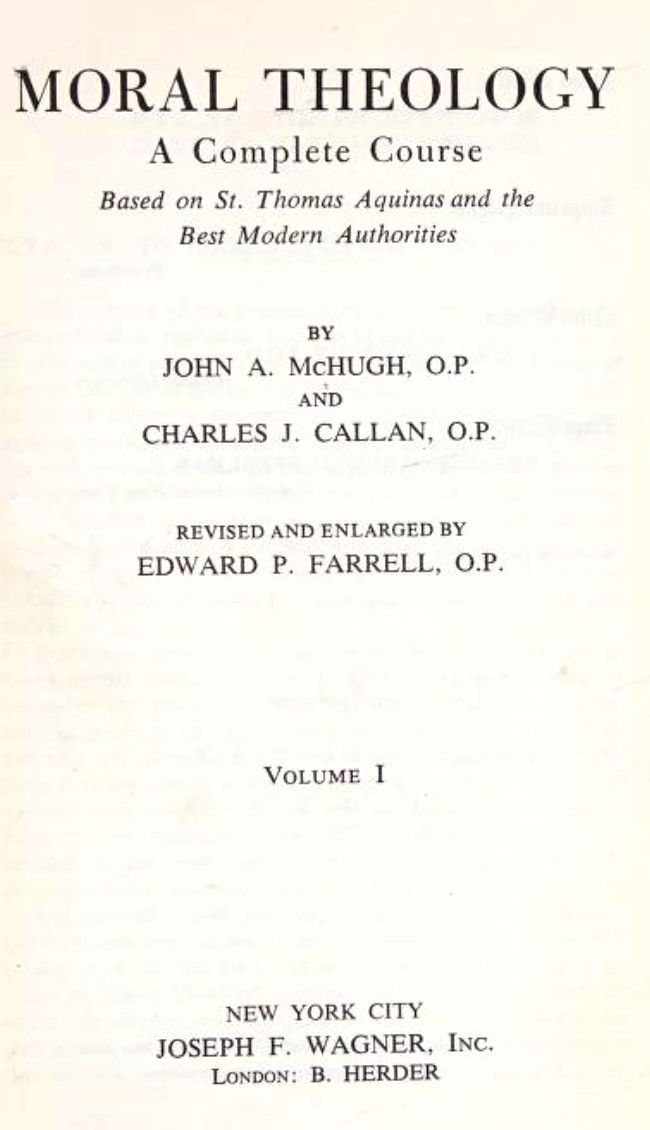

The work serves as a systematic treatise on Catholic moral theology, structuring human conduct around the framework of divine truth and reason. It addresses the ultimate purpose of human existence, defining the highest good as the supernatural destiny of man, which is achieved through deliberate human acts, virtues, and the grace of God. The authors meticulously categorize human actions, analyzing the roles of knowledge, consent, ignorance, passion, and external coercion in determining moral imputability.
The text expands upon the nature of good and bad habits, detailing how virtues perfect the soul while vices lead to moral degradation. It distinguishes clearly between mortal and venial sins, offering precise criteria for gravity, malice, and the numerical distinction of transgressions. By examining the internal faculties of the soul, the commentary explores the complex interplay of human intention, temptation, and the various causes of moral failure.
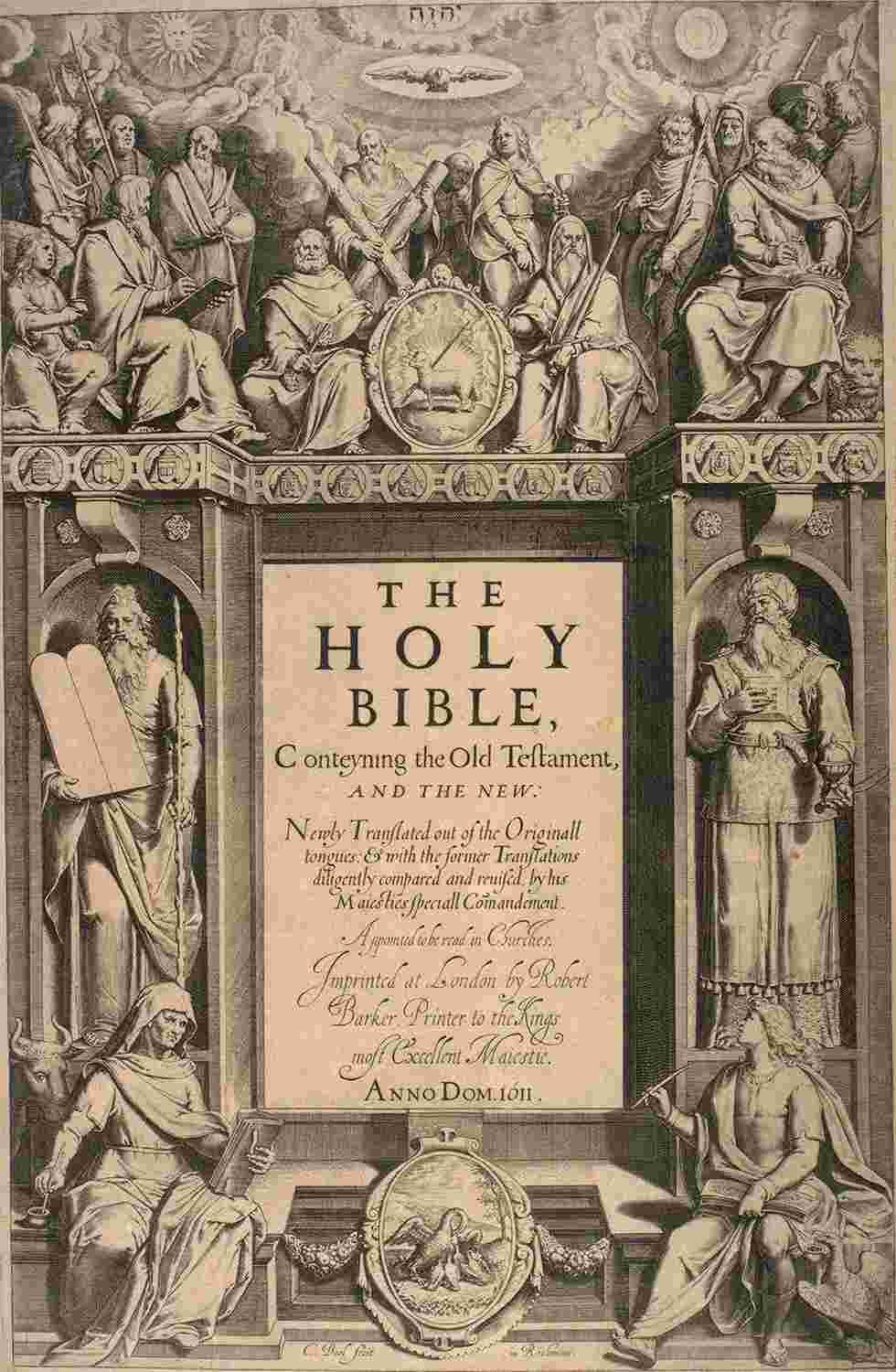
A significant portion of the treatise is devoted to the study of law, distinguishing between eternal, natural, positive divine, and human legislation. The natural law is presented as an unchangeable reflection of divine reason, universally knowable yet subject to varying degrees of human interpretation. The text traces the historical evolution of divine law from the Mosaic dispensation to the New Testament of Christ, emphasizing the supremacy of internal dispositions and the evangelical counsels.
Finally, the manual addresses the practical application of moral principles to daily life and the administration of the sacraments. It offers detailed directives for the faithful, clergy, and those in domestic and civil society, balancing strict adherence to doctrine with pastoral discretion. The work concludes with a thorough examination of the sacraments, highlighting their necessity and the proper dispositions required for their valid and fruitful reception.