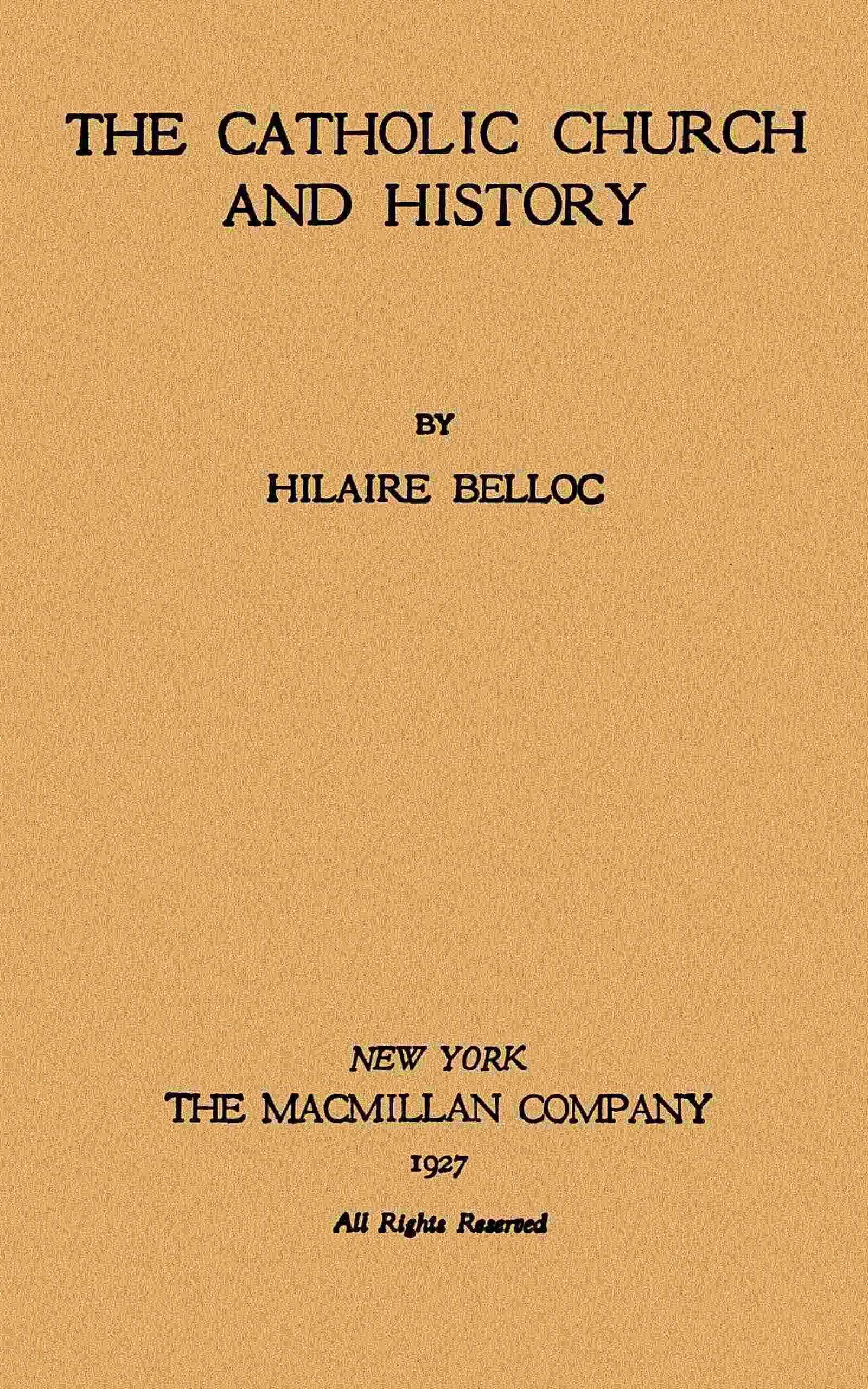

Hilaire Belloc addresses the formidable historical assaults launched against the Catholic Church's claim to divine and infallible authority. He categorizes these arguments into minor moral objections and major intellectual challenges, specifically targeting the sceptical view that religion is merely a human invention. Belloc establishes the fundamental premise of apologetics: that defending the Faith is a negative process of removing obstacles through reason, rather than proving transcendental truths by deductive demonstration alone. He methodically dismantles historical criticisms regarding alleged church errors, the Donation of Constantine, and the Galileo affair, demonstrating that these controversies either rested on factual misunderstandings or concerned disciplinary rather than doctrinal matters.
Addressing the charge that a divine institution cannot be highly organized, Belloc argues that any real authority must develop a structured framework and precise definitions to survive and fulfill its purpose among ephemeral, imperfect human beings. He then tackles the Protestant and Sceptical arguments, noting that orthodox doctrines consistently appear as established traditions while heresies emerge as startling innovations. Belloc emphasizes that while critics dispute the timeline of the Church's alleged corruption, the Catholic body remains remarkably consistent throughout history, unlike fleeting human philosophies and transient political systems. Ultimately, the text presents the Catholic Church as a unique historical phenomenon that satisfies the deepest spiritual demands of humanity through its living continuity and absolute authority.