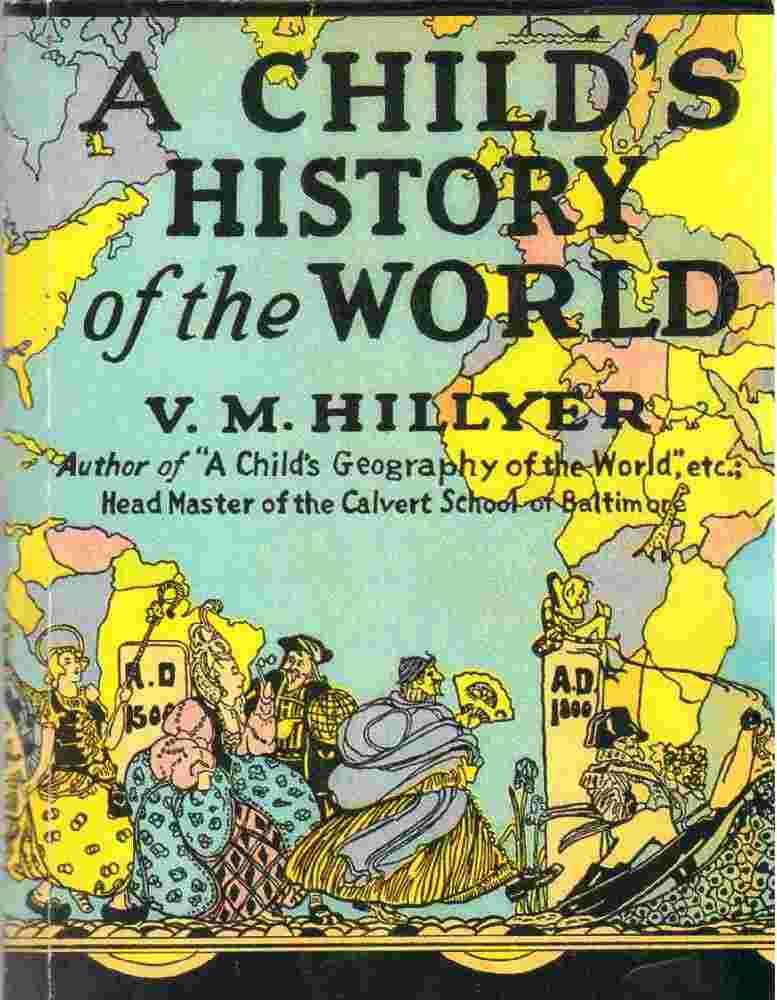




This foundational historical narrative traces the story of human civilization from the earliest beginnings of the Earth and primitive cave life to the dawn of the twentieth century. The author poses the central problem of how humanity progressed from raw survival instincts to organized societies, tracking the gradual development of agriculture, written language, and law.
The journey unfolds century by century, avoiding a narrow national focus in favor of a continuous panorama of the ages. Key epochs include the ancient river civilizations of Egypt and Mesopotamia, the rise and philosophy of Greece, the expansion of the Roman Empire, and the turbulent medieval period with its castles and crusades.
The text highlights pivotal figures and monumental shifts, such as the invention of the alphabet by the Phenicians, the birth of major world religions, and the intellectual awakenings of the Renaissance. Throughout, concrete details and specific cultural achievements illustrate how each era built upon the last.
The narrative concludes as modern nations take shape through revolution and scientific discovery, suggesting that understanding the past is essential for comprehending the present.



![Cover of the audiobook “Memoirs of Benjamin Franklin; Written by Himself. [Vol. 2 of 2]”](/media/books/memoirs-of-benjamin-franklin-written-by-himself-vol-2-of-2/cover.jpg)