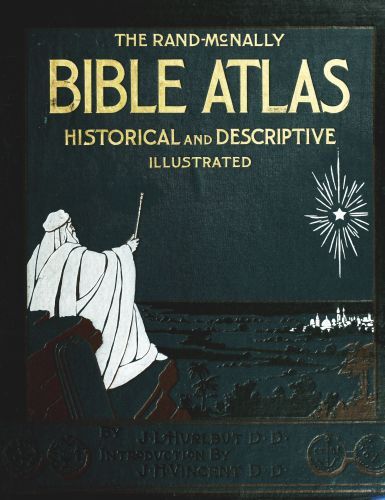




The work by Jesse Lyman Hurlbut provides an exhaustive study of the geography and history of biblical lands, asserting that the sacred texts are firmly rooted in actual earth, stone, and climate. The author argues that modern skepticism can be answered by the physical survival of ancient lands, which still retain the names, ruins, and topography described millennia ago. The text moves methodically from the creation of the world and the table of nations in Genesis through the physical divisions of Palestine, the journeys of the patriarchs, and the wilderness wandering. Major historical movements, such as the conquest of Canaan under Joshua and the distribution of the land among the twelve tribes, are mapped with meticulous detail.
The geopolitical shifts of the region are traced through the era of the judges, the united kingdom of David and Solomon, and the subsequent division into the northern kingdom of Israel and the southern kingdom of Judah. The book also covers the successive eastern empires—Assyria, Babylon, and Persia—that shaped the destiny of the Jewish people. Later chapters address the geography of the life of Christ and the missionary journeys of the apostle Paul. Finally, the volume serves as a practical manual for educators and pastors, advocating for concrete geographical study to bring biblical narratives to life for children and students, ensuring the historical foundation of the faith remains unassailed.