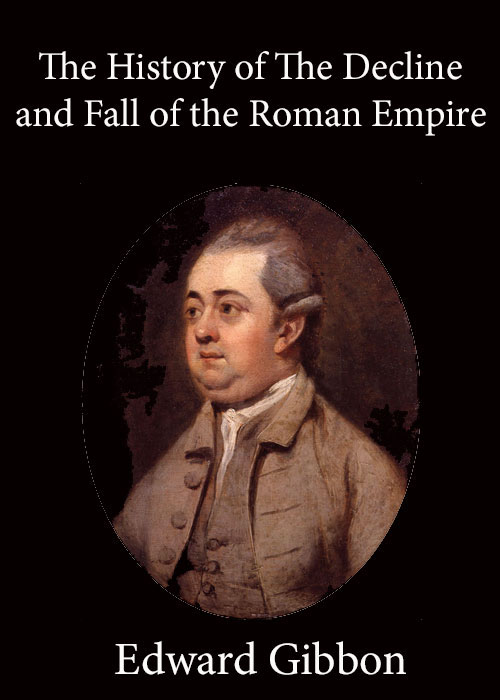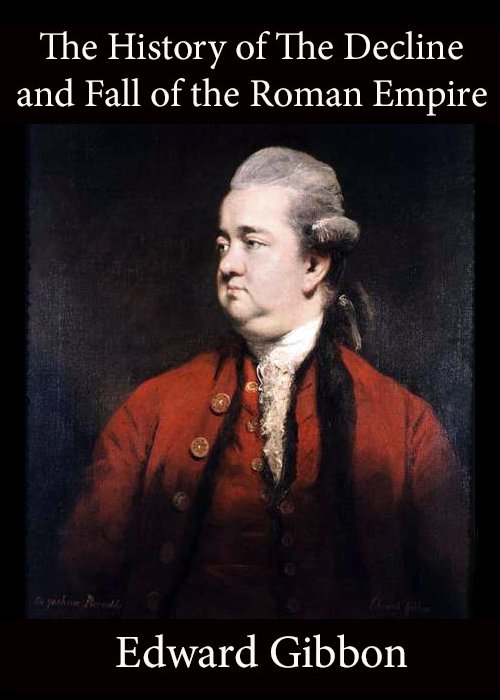




Edward Gibbon opens his memoirs by reflecting on his ancestry, his frail childhood in Surrey, and the early awakening of an insatiable appetite for history. Despite interruptions caused by persistent illness and an irregular education that culminated in fourteen idle months at Oxford, he cultivated a vast, albeit undisciplined, store of historical knowledge. His unauthorized conversion to Roman Catholicism at the age of sixteen abruptly ended his university residence and led to his banishment to Lausanne under the tutorship of the Calvinist minister Pavilliard.
At Lausanne, Gibbon underwent a profound intellectual rebirth. Under Pavilliard's guidance and through deep immersion in classical literature and philosophy, he relinquished his Catholic faith and mastered the French language, which became as familiar to him as his native tongue. This period of rigorous study was enriched by the intellectual climate of Switzerland and his early encounters with prominent thinkers, including a brief meeting with Voltaire. His intellectual recovery was mirrored by a physical strengthening that finally liberated him from years of chronic ill health.
Returning to England after nearly five years abroad, Gibbon confronted the challenges of re-entering British society. He reluctantly accepted the interruption of two and a half years of military service as a captain in the Hampshire militia, an experience that surprisingly provided practical insights into tactics and human nature useful to a future historian. Following the death of his father, he achieved complete financial and personal independence, allowing him to establish a permanent residence in London and fully dedicate his time to scholarly pursuits.
The narrative follows his hesitant steps into authorship, marked by the publication of his first work, an essay on the study of literature, written originally in French. His election to Parliament and his appointment to the Board of Trade provided a close view of contemporary politics and civil prudence, though he remained largely a silent observer in the House of Commons. Amidst these public engagements, the seminal idea for his life's work crystallized during a visit to Rome, where the grandeur of the ruins inspired him to write the history of the city's decline and fall.
The publication of the first volume of his great history brought immediate renown, though it also provoked sharp theological controversy over his treatment of early Christianity. Unfazed by his critics, Gibbon proceeded with the composition of subsequent volumes, balancing his time between London and his friend Lord Sheffield's estate in Sussex. The narrative details his meticulous research methods, his reliance on primary sources, and his unwavering commitment to historical accuracy over convention.
Seeking a quieter retreat for his declining years, Gibbon ultimately left England to settle permanently in Lausanne alongside his lifelong friend Deyverdun. There, amidst the serene landscape of the Pays de Vaud, he completed the final volumes of his history, experiencing a profound sense of accomplishment upon writing the last lines in his summerhouse garden. The memoirs conclude with a warm appreciation of his tranquil routine, his enduring passion for study, and the deep satisfaction of a life dedicated to intellectual freedom and historical truth.