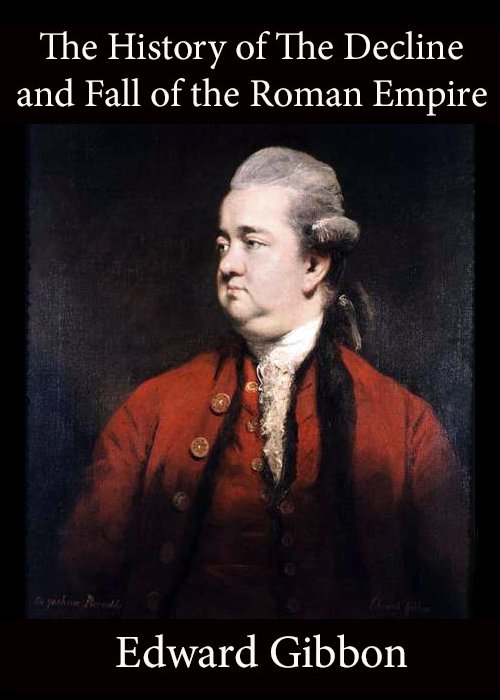





This volume of Edward Gibbon's monumental history centers on the devastating intersection of Western crusading zeal and the internal decay of the Byzantine Empire. The narrative begins with the fateful diversion of the Fourth Crusade, where Venetian commercial pragmatism and Frankish ambition turned away from Palestine to conquer and partition Constantinople itself. Gibbon details the establishment of the short-lived Latin Empire under Baldwin of Flanders, tracing its institutional weakness, economic destitution, and the perpetual hostilities waged against the resurgent Greek principalities of Nice, Trebizond, and Epirus. Throughout the work, the author examines the profound animosity between the Greek and Latin churches, rooted in centuries of theological schism and cultural alienation, which poisoned any hope of genuine political reconciliation.
As the narrative progresses, the fragile Latin dominion crumbles under the weight of feudal anarchy, financial insolvency, and the fierce resistance of the restored Greek states and Bulgarian adversaries. The final chapters recount the inevitable collapse of the Latin enterprise, culminating in the recovery of Constantinople by Michael Paleologus and the definitive extinction of Frankish power in the East. Gibbon punctuates this historical trajectory with deep reflections on the socio-political consequences of the crusades, illustrating how religious enthusiasm, military miscalculation, and institutional corruption combined to dismantle the remnants of antiquity. The overarching tragedy of the empire is presented not as the result of a single catastrophic blow, but as a multi-centuried unraveling driven by human folly, religious fanaticism, and structural decay.