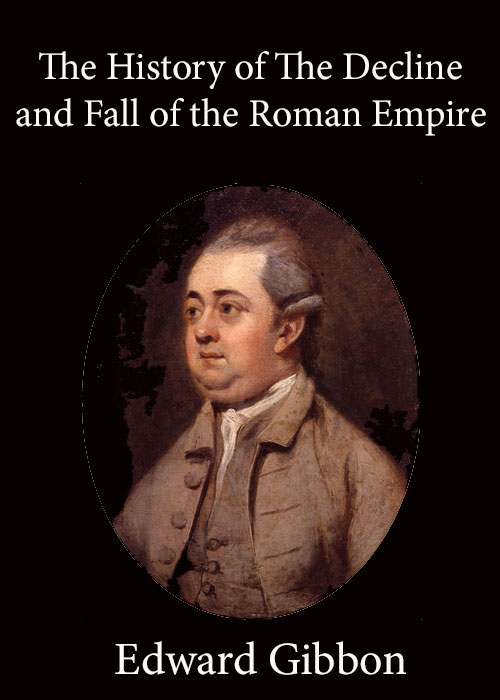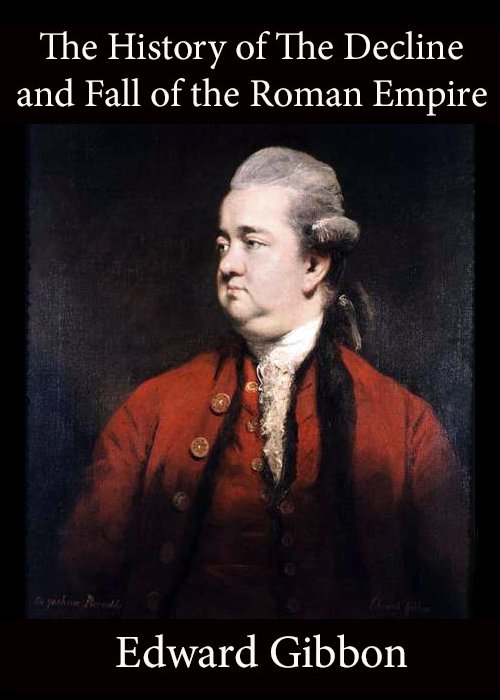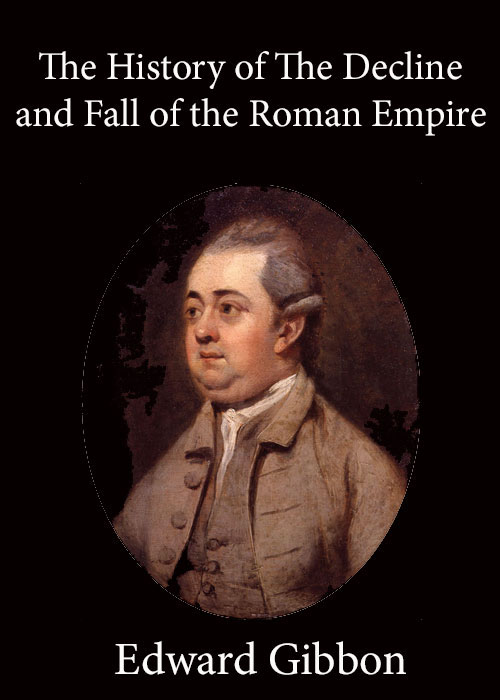




Edward Gibbon opens this section of his comprehensive history by examining the complex relationship between the Roman government and the early Christian church, tracing the trajectory from Nero's persecutions to the establishment of Christianity under Constantine. He analyzes why a tolerant polytheistic society grew hostile to an exclusive monotheistic sect, attributing the friction not to sheer malice, but to the Christians' deliberate separation from the civic and religious duties binding the empire together. Gibbon details the legal realities of these persecutions, arguing that magistrates were frequently reluctant, acting under specific legislative frameworks rather than through random tyranny, while also questioning the vast numbers traditionally ascribed to early martyrdoms.
The narrative then shifts to the pivotal reign of Constantine, detailing his decisive break with the past and his grand vision for a new capital. Gibbon describes the strategic and geographical perfection of Byzantium, situated between Europe and Asia, which commanded the vital straits of the Bosphorus and the Hellespont. The construction of Constantinople required vast financial resources, architectural planning on a massive scale, and the wholesale removal of classical art and statues from vanquished Grecian and Asian cities to adorn the new metropolis, which was dedicated as a second Rome.
Following the architectural foundation of the new capital, the author provides an exhaustive analysis of the sweeping administrative and political reforms implemented by Diocletian and completed by Constantine. This new system replaced traditional republican vestiges with a strict, hierarchical bureaucracy. Offices were classified into distinct ranks, ranging from the Illustrious down to the Honorable, transforming the appearance of the Roman court into an opulent Oriental monarchy complete with elaborate titles and court ceremonies.
Gibbon explores the shifting nature of the highest offices of state, particularly the transformation of the once terrifying Prætorian prefects from military commanders and palace viziers into purely civil magistrates governing vast prefectures. He details the hollowed-out dignity of the annual consuls, who, stripped of all real military and political power, retained their ancient titles as a supreme honor bestowed solely by the Emperor's will. Throughout these administrative treatises, the text emphasizes the subtle decay of martial virtue and the rise of a rigid social stratification designed to secure the stability of an aging empire.
Concluding with the internal machinery of the late imperial court and the financial exactions necessary to support both the new capital and the standing armies, the author lays bare the structural flaws inherent in the absolute monarchy. The narrative balances the external grandeur of Constantine's architectural and political achievements with a critical assessment of the administrative centralization that would ultimately contribute to the enduring division and eventual decline of the Roman world.