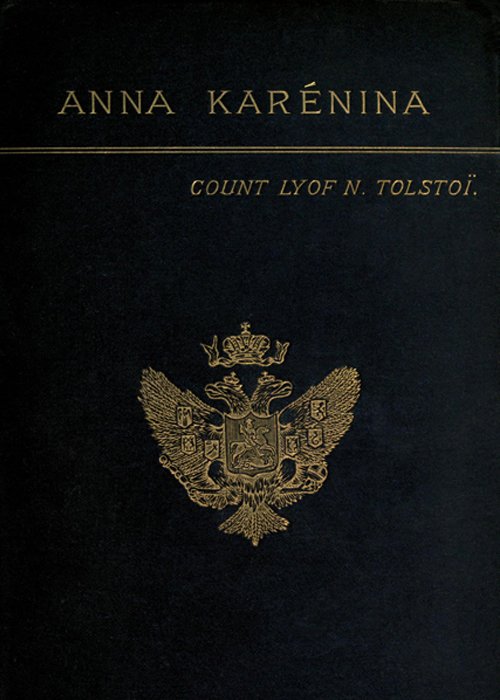





The novel opens upon the fractured household of Stepan Oblonsky, whose infidelity has shattered domestic peace, setting a thematic undercurrent of adultery and marital strain that dominates the entire narrative. Into this tense world steps his charismatic sister, Anna Karenina, whose veneer of a successful Petersburg marriage hides a profound emotional emptiness. When Anna meets the dashing officer Alexey Vronsky at a Moscow railway station, an instantaneous and overwhelming attraction takes hold, bypassing all social conventions and setting her on a collision course with polite society. As Anna and Vronsky surrender to their passion, the weight of public condemnation isolates them, driving Anna toward agonizing jealousy, paranoia, and the tragic realization of her social ruin.
Parallel to this tale of illicit romance is the spiritual and agricultural quest of Konstantin Levin, a landowner who rejects the hollow artificiality of town life for the genuine toil of the Russian countryside. Levin struggles with deep questions of faith, mortality, and class, seeking a pure existence that eventually leads him to propose to the young and innocent Kitty Shtcherbatskaya. Though initially rejected, Levin perseveres through profound self-doubt, finding redemption in simple labor and eventual marital happiness. Tolstoy weaves these two central lives together to examine the myriad ways families find happiness or misery, showing that every unhappy family is indeed unhappy in its own unique way. The narrative moves relentlessly toward the psychological unraveling of its tragic heroine while offering a hopeful vision of moral awakening and human endurance.