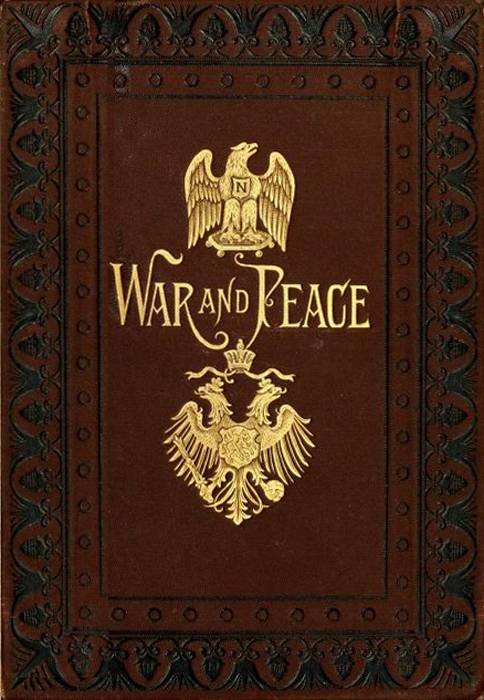



Leo Tolstoy's monumental masterpiece unfolds against the backdrop of the Napoleonic Wars, tracking the intertwined lives of several aristocratic families in Russia. The narrative opens in eighteen hundred five at a St. Petersburg salon, where high society gossips about politics, Napoleon, and impending conflict while remaining sheltered from coming storms. Central storylines follow the idealistic Pierre Bezúkhov, who inherits a vast fortune and grapples with existential questions, and the brilliant, cynical Prince Andrew Bolkónski, who seeks glory on the battlefield to escape an unhappy domestic life.
Alongside them stands the vibrant Rostóv family, whose youthful members face the sudden, sobering realities of war, romance, and financial ruin. As French armies advance toward Moscow, the characters are thrust from glittering ballrooms into the brutal chaos of campaign life at Austerlitz and Borodino. Tolstoy poses a profound problem concerning the nature of historical causation, questioning whether great men truly drive events or merely ride the impersonal currents of mass human behavior. The argument develops through sweeping battle scenes interspersed with intimate domestic crises, contrasting the artificiality of high society with the simple, enduring truths found in human connection and nature. Through suffering, spiritual awakening, and the catastrophic fire of Moscow, the survivors are forced to shed their illusions and discover what truly sustains the human spirit.