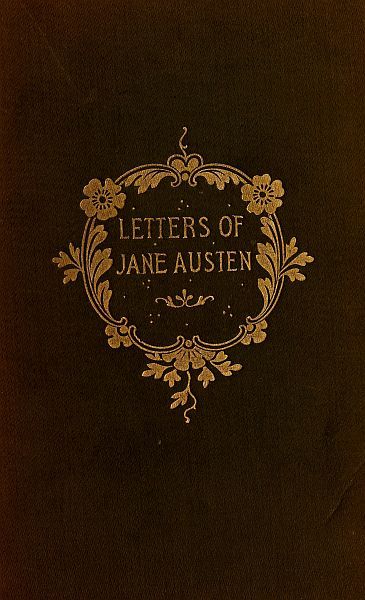



This volume brings together the surviving letters of Jane Austen, spanning the years from seventeen ninety-six to eighteen seventeen, offering an unprecedented look into the daily existence of one of history's greatest writers. Rather than focusing on the grand historical events of her era, such as the French Revolution or the Napoleonic Wars, Austen turns her keen eye to the domestic sphere, chronicling neighborhood gossip, country dances, household management, and family relationships with characteristic humor and precision.
The letters reveal a woman deeply devoted to her family, acting as a dutiful daughter, affectionate sister, and doting aunt. Austen writes to her sister Cassandra with absolute candor, sharing her candid impressions of acquaintances, the small triumphs of her daily routine, and the quiet rhythms of life in rural Hampshire. These missives capture the genesis of her creative process, showing how ordinary interactions and local personalities were transmuted into the timeless characters of her novels, from Elizabeth Bennet to Anne Elliot.
A significant portion of the correspondence details her experiences during visits to London and Bath, where she partook in the social whirl of assemblies, theatre trips, and shopping excursions. Yet, her heart clearly remained anchored in the quiet comforts of home life, surrounded by her mother and sister. Through these pages, the reader witnesses Austen's unwavering dedication to her craft, managed alongside her domestic responsibilities, and her growing, though still modest, literary reputation.
The collection also addresses the practical realities of a nineteenth-century gentlewoman's life, including financial constraints, the vagaries of publishing, and the constant movement of family members across the English countryside. Despite the limitations of her circumscribed environment, Austen's sparkling wit and acute psychological insight shine through every line. The correspondence ultimately portrays a writer entirely free of affectation, observing human nature with a gentle irony that remains as fresh and relevant today as it was two centuries ago.