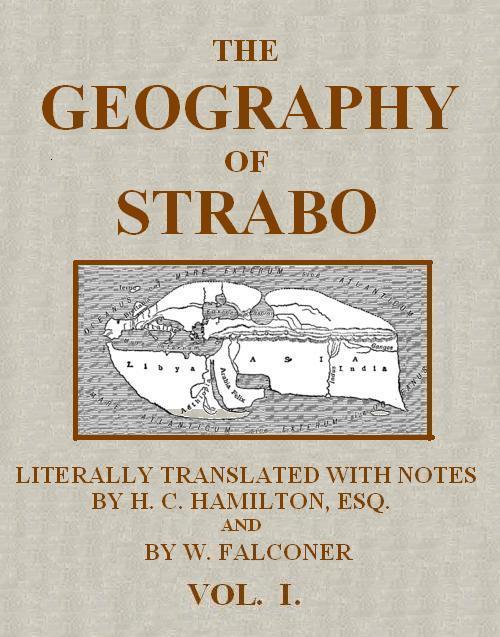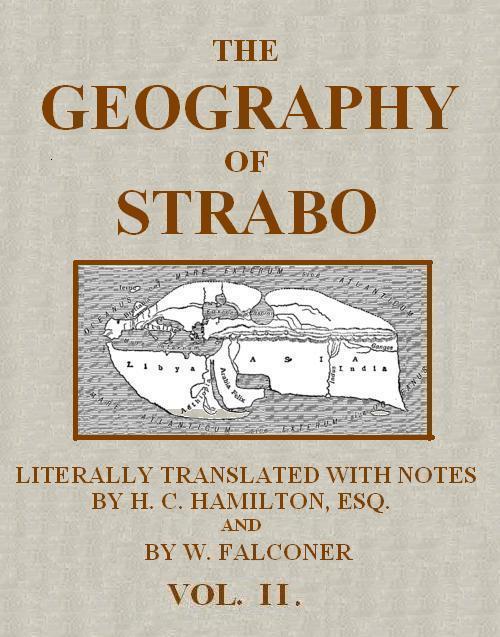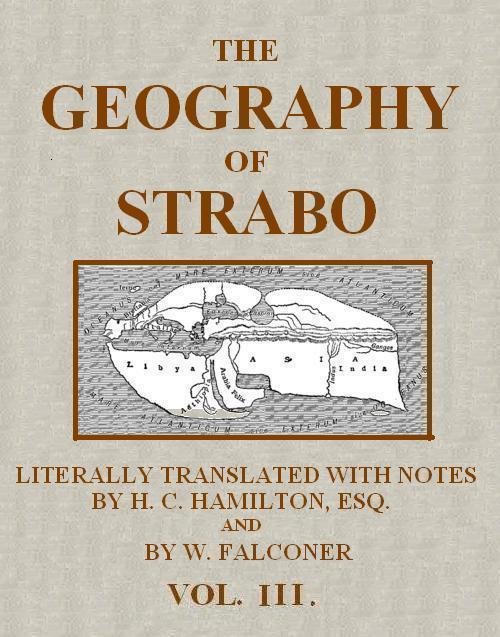



The third volume of Strabo's comprehensive geographical treatise continues the meticulous mapping of the ancient world, focusing extensively on Asia, the Persian territories, and India. The author meticulously describes the boundaries, rivers, and climate patterns of regions stretching beyond the Taurus mountains. Particular attention is given to the hydrography of the Indus and the Ganges, the fertile river basins, and the annual flood cycles that sustain agriculture across the vast plains. Strabo integrates accounts from Alexander the Great's campaigns alongside observations from earlier historians to reconstruct the physical and human landscape of the East.
The text provides detailed ethnographic sketches of various Indian castes, ascetic philosophers, and regional governance structures, offering a rare window into classical Greco-Roman perceptions of South Asia. The narrative then shifts westward through Ariana and Persis, charting the satrapies, desert routes, and ancient royal capitals such as Susa and Persepolis. Throughout the volume, Strabo addresses the reliability of his sources, frequently critiquing earlier writers like Eratosthenes and Megasthenes while striving for empirical accuracy. The work concludes with comprehensive examinations of coastal topography, naval routes, and the intricate network of rivers that shaped geopolitical power in antiquity, preserving invaluable fragments of lost classical literature and geographical lore.