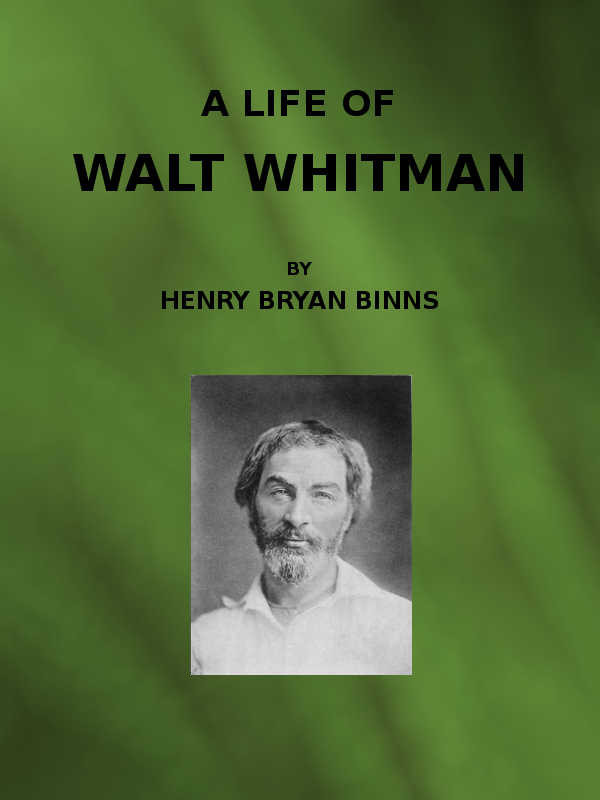





Henry Bryan Binns approaches Walt Whitman not primarily as a literary subject, but as a unique human type and an American mystic whose life reflected the sweeping currents of his time. The study begins with Whitman's Dutch and English ancestry on Long Island, detailing the rural background and the strong influence of his mother, Louisa, alongside the lingering Quaker traditions of his family. The narrative follows Whitman's early days as a school teacher and journalist in Brooklyn and New York, tracing his intellectual awakening through the vibrant, democratic life of the metropolis.
A central focus is placed on Whitman's pivotal journey to New Orleans in eighteen hundred and forty-eight, an experience that broke his self-contained reserve and unlocked his deepest emotional capacities. Binns explores the profound personal romance of this Southern sojourn, treating it as the catalyst for the psychological and mystical transformation that preceded the writing of Leaves of Grass. The book details the quiet years of carpentering in Brooklyn when Whitman, living simply among ordinary working people, meditated upon the universe and integrated his poetic vision.
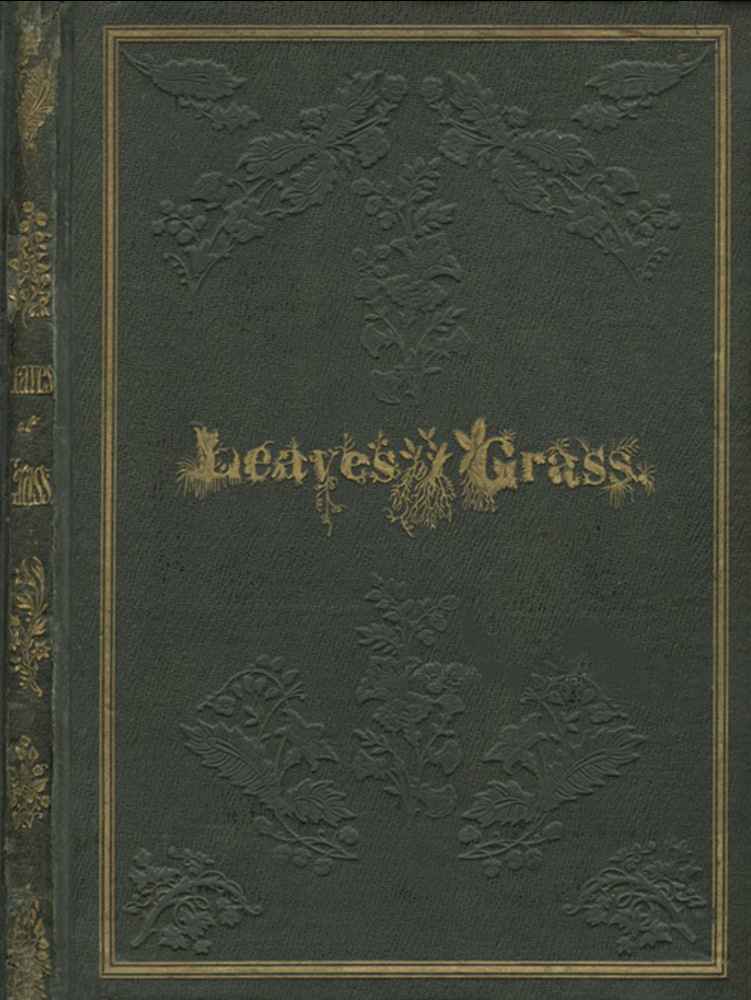
The volume chronicles the publication of the first edition of Leaves of Grass in eighteen hundred and fifty-five, noting the immediate and enthusiastic recognition of Ralph Waldo Emerson against the general backdrop of critical incomprehension and hostility. Binns describes Whitman's daily life among the stage-drivers, ferry hands, and outcasts of New York, emphasizing his deep democratic sympathies and his aversion to aristocratic pretension. The narrative sets these personal developments within the larger framework of a divided America marching toward civil conflict over the question of slavery.
Throughout the study, Binns examines the fundamental principles of Whitman's thought: his belief in the divinity of the human body, his rejection of conventional religious dogmas in favor of an immanent spiritual reality, and his passionate devotion to the Union of States. The author avoids mechanical literary criticism, choosing instead to present Whitman as a living embodiment of the New World's spiritual promise. The book concludes by portraying Whitman in his maturity, steadfastly adhering to his singular vision despite poverty and neglect, confident that the future growth of America would eventually vindicate his message.