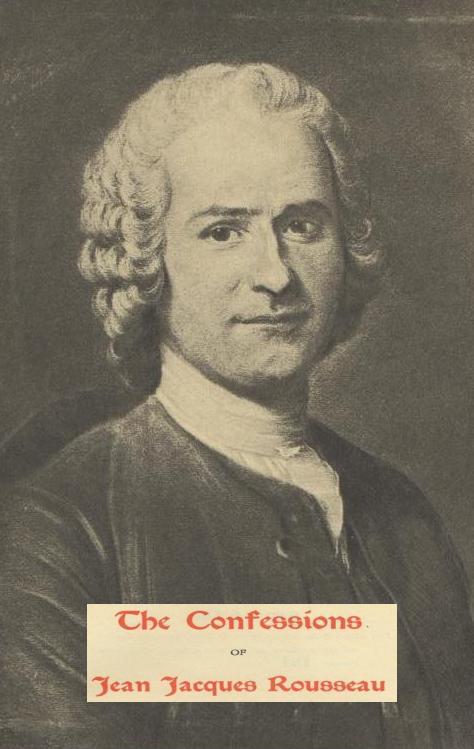




The Confessions of Jean-Jacques Rousseau stands as a monument of introspective autobiography, offering an unsparing look into the mind of a man who sought to present himself to posterity in all the integrity of nature. Rousseau writes about his early years in Geneva, detailing the profound influence of his upbringing, his voracious reading of romances and classical history, and the deep emotional imprints left by his aunt Susan and his early tutors. He poses fundamental questions about human nature, exploring how a sensitive and impressionable boy was shaped by affectionate care, yet subsequently scarred by experiences of injustice and servitude during his apprenticeship. The narrative develops through a series of vivid recollections, tracing his restless wanderings across Switzerland, Savoy, and Italy, his religious conversion at Annecy, and his various domestic employments in Turin.
Throughout these accounts, Rousseau confronts his own moral failings with startling frankness, notably recounting the devastating false accusation against a young servant named Marion, an act of cowardice that cast a lifelong shadow over his conscience. The text explores the tension between his lofty republican ideals and his real-world weaknesses, illustrating how a heart too ardent and tender could lead him into endless perplexities. By the end of this portion of his life, Rousseau is seen navigating the delicate balance between his passion for independence and his desperate need for emotional anchorage, ultimately finding in the patronage of Madam de Warens a sanctuary that would shape the course of his existence. The work gently hints at the turbulent trajectory of a life driven by imagination rather than worldly ambition, leaving the reader with a profound sense of the psychological complexities that governed one of history's most original thinkers.