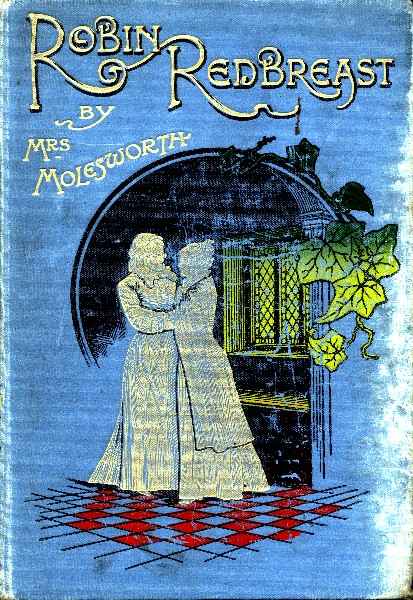



The story opens with the arrival of young Jacinth, Frances, and Eugene in Thetford, where they are placed under the guardianship of their severe and emotionally distant aunt, Miss Alison Mildmay. Having lost their beloved step-grandmother, the children struggle to adapt to a life stripped of warmth and affection, though their young uncle Marmy tries to soften the blow before leaving for India. The central conflict arises from the contrast between the children's spontaneous, loving nature and the rigid, unbending social structures of the town. A pivotal turning point occurs when little Eugene's thirst leads them to the gates of Robin Redbreast, a quaint country house inhabited by the formidable Lady Myrtle Goodacre.
Lady Myrtle is immediately struck by Jacinth, not only because of her rare name, but due to a profound, uncanny resemblance to Lady Jacinth Moreland, her dearest friend from youth. This chance encounter bridges a generational divide, drawing the children into the orbit of an eccentric yet deeply affectionate mentor whose past is shadowed by family estrangement and the reckless behavior of her brothers. As Jacinth becomes a favored guest at Robin Redbreast, tension builds between her and her sister Frances, who champions the cause of the impoverished Harper girls at school—girls who turn out to be closely connected to Lady Myrtle's own estranged family.
The narrative weaves together themes of class distinction, filial duty, and the quiet heroism of everyday life. Throughout the developments, the children's deep longing for their parents in India remains the emotional anchor of the plot. The narrative moves toward reconciliation and hope with the anticipated return of the children's mother, promising a healing of old wounds and a restoration of familial warmth that transcends past bitterness.