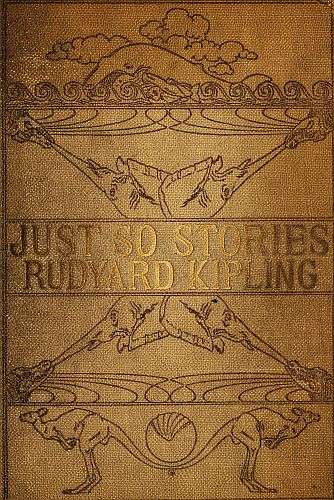




This collection of imaginative fables by Rudyard Kipling explores the mythical origins of various animals and human inventions through a series of whimsical, highly detailed narratives. The book opens with the story of a clever shipwrecked mariner who outwits a whale, forcing a grating into its throat so that it can never eat men again. Another tale follows an idle camel in the howling desert who refuses to work, resulting in a magical djinn giving him a heavy hump that allows him to survive without labor. Other stories reveal how the rhinoceros gained his wrinkled skin due to a parsee's revengeful trick with stale cake crumbs, and how the leopard and the high veldt Ethiopian earned their spots and dark camouflage through the wise advice of Baviaan the baboon.
A particularly famous adventure features the Elephant's Child, whose insatiable curiosity leads him to the great grey-green, greasy Limpopo River, where a crocodile stretches his short nose into a useful trunk. Further tales recount how the kangaroo earned his powerful bounding hind legs with the help of Yellow-Dog Dingo and the god Nqong, how the hedgehog and tortoise cleverly transformed into armored armadillos to escape a hungry jaguar, and how a neolithic girl named Taffy inadvertently invented written language through picture-letters. The collection concludes with grand magical tales of the sea and the desert, including the story of Pau Amma the giant crab who played with the tides, and the tale of how a humble butterfly's boast brought about the miraculous movement of Suleiman-bin-Daoud's magnificent golden palace. Throughout these stories, Kipling maintains a playful, oral storytelling tone addressed to his readers, weaving precise concrete details with enchanting folklore.