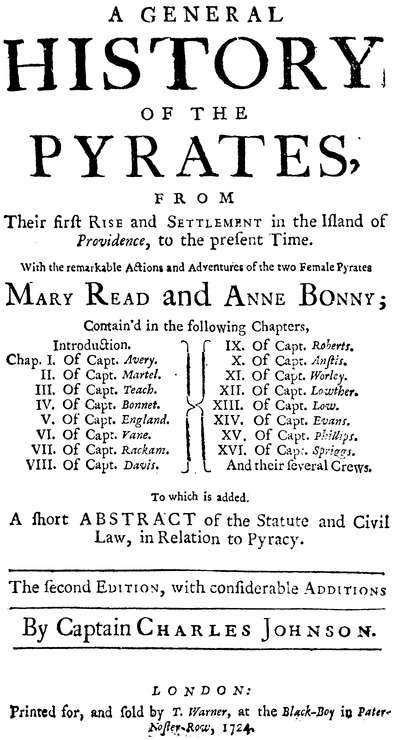






The work opens with an extensive preface examining the socio-economic roots of piracy, arguing that the disbanding of navies after European wars without adequate reintegration for seamen left desperate men with few alternatives. The author contends that the lack of national fisheries in Britain, unlike the Dutch model, forced destitute mariners into a life of crime, and critiques the complicity of colonial governors who profited from illicit trade. Following this analytical foundation, the text presents detailed biographical accounts of the most notorious sea rovers of the early eighteenth century, including Captain Avery, Blackbeard, Stede Bonnet, Mary Read, and Bartholomew Roberts. Each chapter traces the subject's origins, their escalation into banditry, the mechanics of their operations, and their eventual downfall.
A central theme running through these narratives is the brutal and precarious nature of the pirate commonwealths. The author details the internal politics of these crews, the adoption of strict articles of governance, and the brutal hierarchies that governed their lives. Rather than romanticizing the outlaws, the text exposes the squalor, constant paranoia, and ultimate futility of their existence. Detailed descriptions are provided of notorious exploits, such as Blackbeard's blockade of Charleston and his dramatic final battle against Lieutenant Maynard, as well as the remarkable career and gender deception of the female pirates Mary Read and Anne Bonny.
The narrative also delves into the complex geopolitical dynamics of the era, particularly the friction between English merchants and corrupt Spanish officials in the West Indies. It highlights the systemic failure of naval authorities to suppress the syndicates before they grew into formidable regional powers. The inclusion of contemporary correspondence, legal documents, and transcripts from vice-admiralty trials adds a layer of authentic documentary evidence to the historical record.
The volume pays particular attention to the career of Bartholomew Roberts, whose extensive campaigns along the African coast and across the Atlantic represented the zenith of pirate power. The accounts capture the sheer scale of their depredations, which often paralyzed colonial trade routes and rivaled the military might of established states. The text explores the psychological descent of men trapped in a cycle of violence, where mercy was rare and betrayal was constantly anticipated.
As the accounts progress, the inevitable collapse of the pirate networks becomes apparent through increased naval patrols, betrayal from within, and relentless government crackdowns. The trials and executions that followed capture the grim finality of their chosen path, contrasting sharply with the fleeting glory of their exploits. The volume concludes with an abstract of statutory and civil laws regarding piracy, grounding the preceding tales of lawlessness within the formal legal framework used to dismantle them.