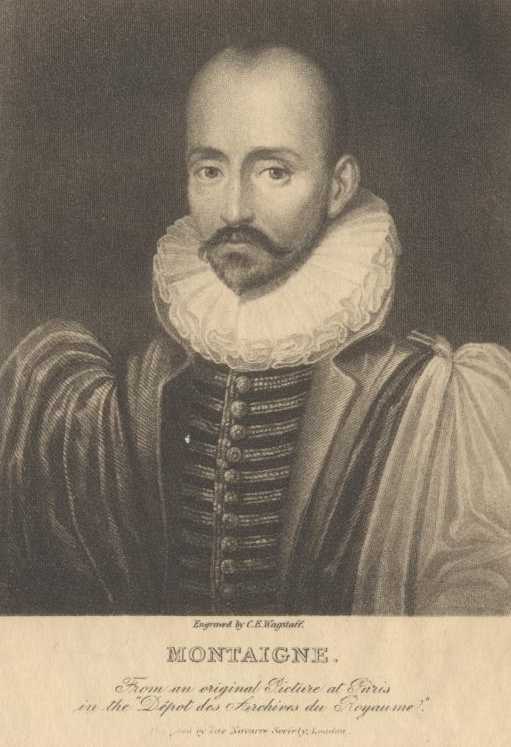



Michel de Montaigne embarks on an unprecedented project of radical self-examination, using his own mind and daily habits as the primary subject for a vast exploration of human nature. Writing in retirement, he strips away academic pretense to investigate how humans actually think, feel, and react under the pressure of existence, rather than how philosophers idealize them. His inquiries span a massive breadth of topics, from the psychological mechanics of fear and sorrow to the profound influence of habit and custom on civilization. Montaigne demonstrates how our affections constantly carry us beyond the present moment, trapping us in anxiety about the future or excessive grief over the past.
He examines the various ways humans arrive at the same ends, analyzing how steadfast courage can sometimes disarm an enemy just as effectively as total submission. Throughout the work, he returns to the central problem of mortality, arguing that to study philosophy is to learn how to die, which ultimately means learning how to live without the constant terror of the inevitable. By exposing his own flaws, contradictions, and physical frailties with absolute candor, Montaigne constructs a mirror for all readers. The text serves as an enduring manual for personal autonomy, urging individuals to question inherited dogmas, recognize the unreliability of human judgment, and find quiet contentment in the present. His reflections culminate in a celebration of experience as the ultimate test of truth, leaving behind a rich framework for navigating the inherent instability of life.