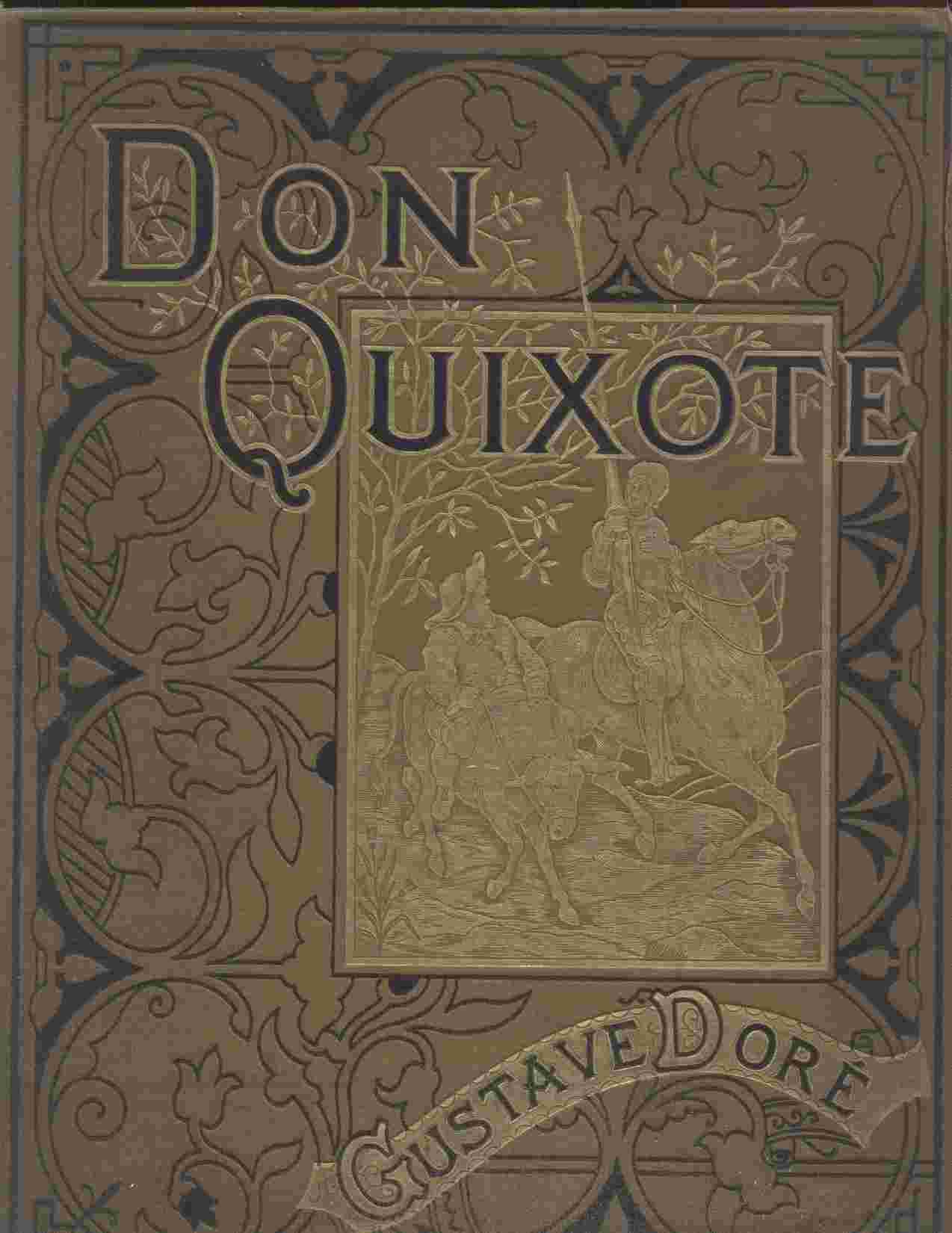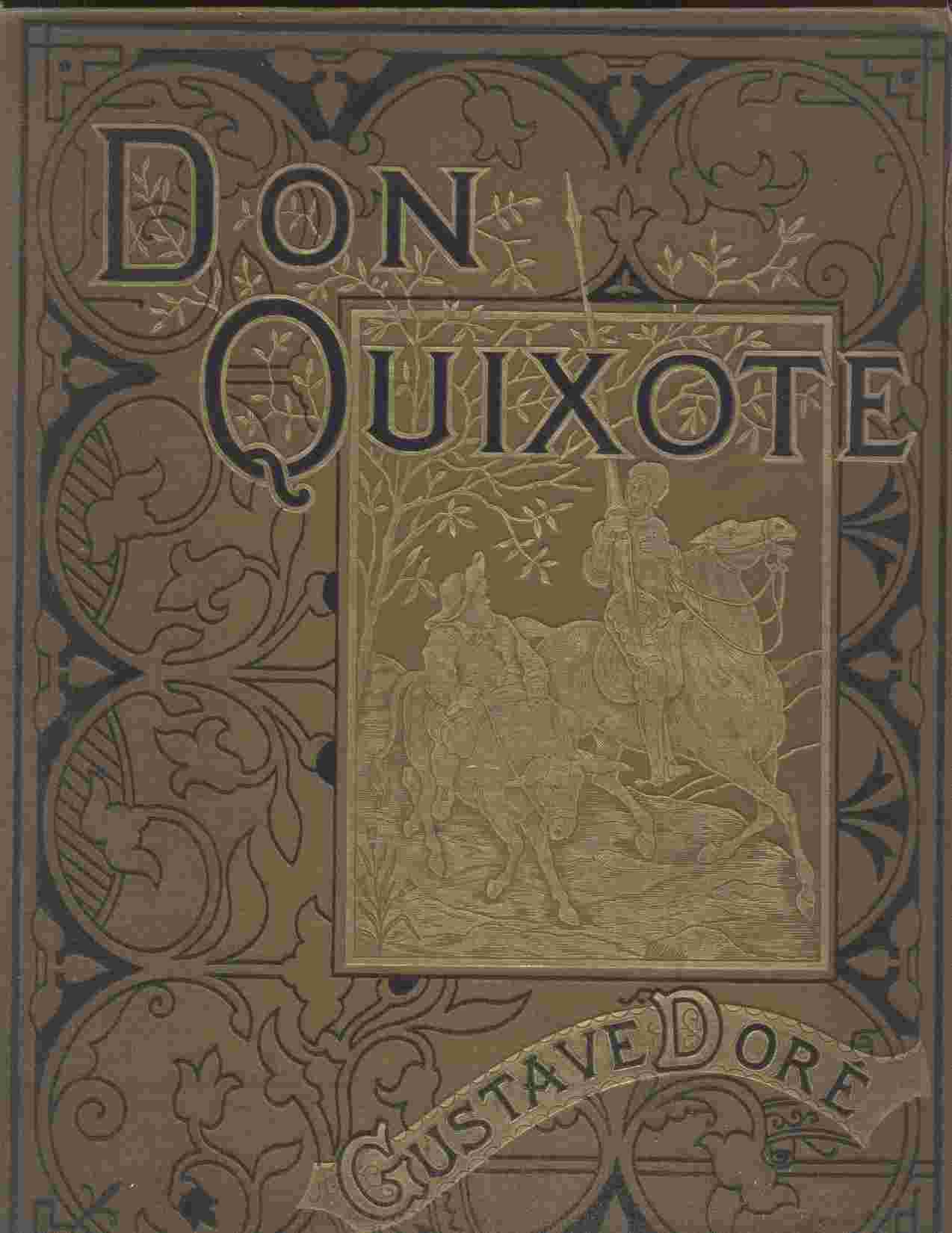
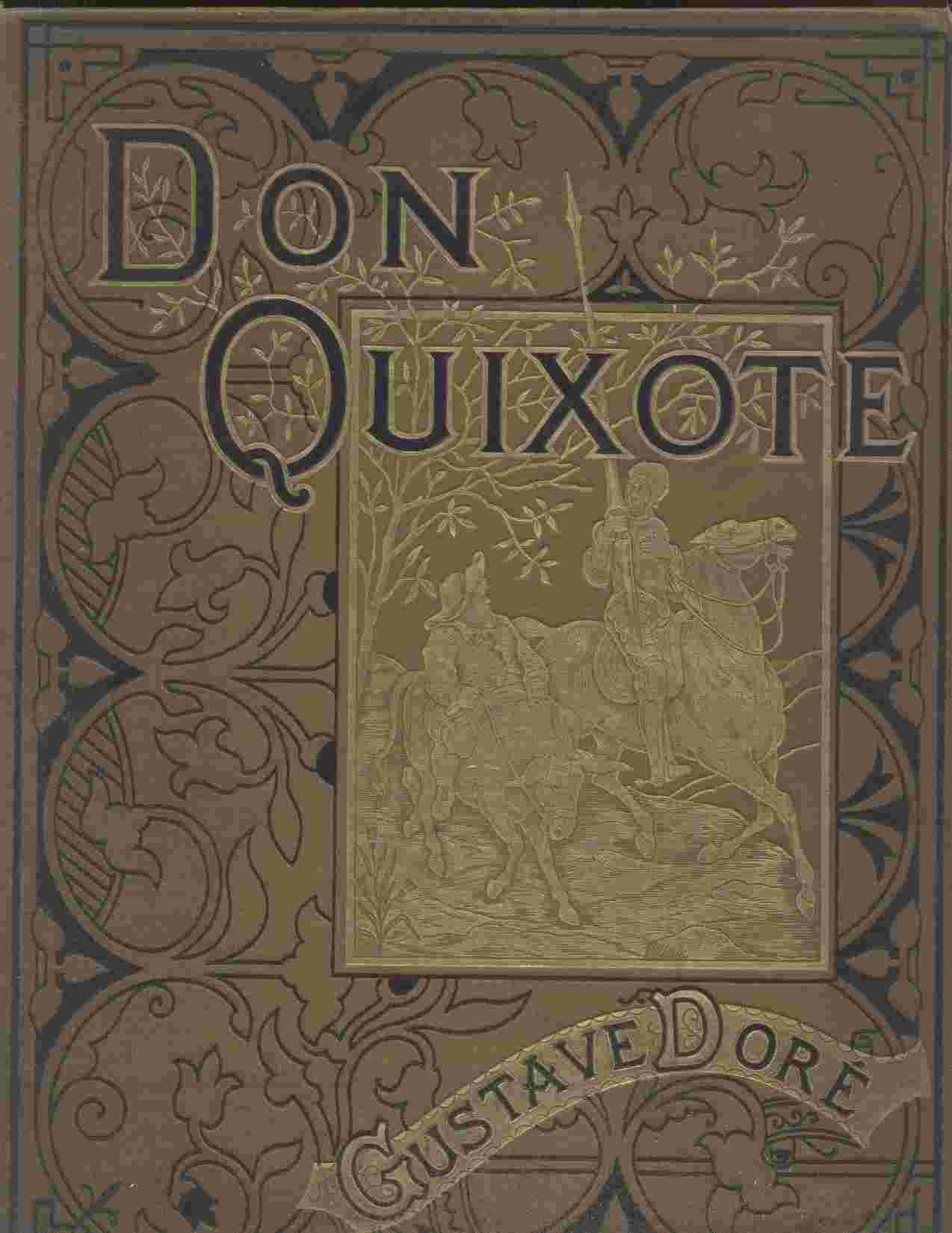
Miguel de Cervantes presents the iconic tale of Alonso Quixana, an impoverished gentleman whose mind becomes unhinged from reading endless popular romances of chivalry. Transforming himself into the self-styled Don Quixote of La Mancha, he sets out on his lean steed Rocinante to revive knight-errantry, right wrongs, and protect the helpless. He recruits a simple peasant, Sancho Panza, as his squire with the promise of bestowing upon him the governorship of a conquered island. Together, master and man traverse the harsh plains of Spain, where their lofty ideals persistently shatter against the mundane realities of everyday life.
Ordinary inns are perceived as enchanted castles, windmills as monstrous giants, and common country wenches as highborn princesses. The narrative explores the complex duality between Quixote's noble, albeit mad, altruism and Sancho's grounded, earthy common sense. Along the journey, they encounter a diverse cast of characters, ranging from brutal goatherds and Yanguesan carriers to travellers sharing romantic novellas and pastoral tragedies like that of the elusive shepherdess Marcela. Throughout the episodes, Cervantes uses gentle satire to expose the absurdity of chivalric tropes while celebrating the power of imagination. The narrative builds toward a poignant examination of idealism, culminating in Quixote's ultimate realization of his folly and his peaceful return to sanity before death.