

![Cover of the audiobook “The Native Races [of the Pacific states], Volume 3, Myths and Languages”](/media/books/the-native-races-of-the-pacific-states-volume-3-myths-and-languages/cover.jpg)

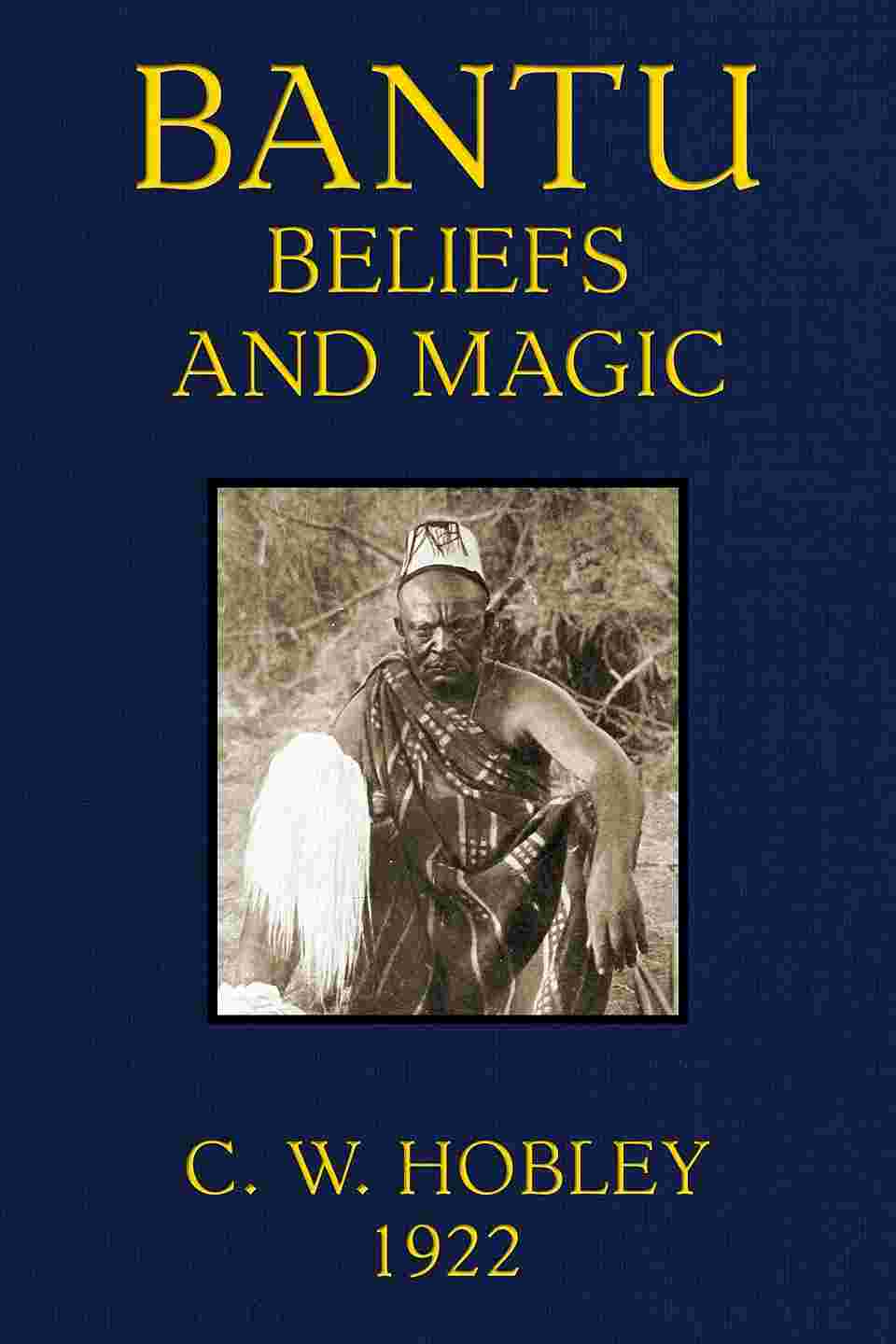
The book presents a meticulous record of indigenous religious thought and social organization among the Kikuyu and Kamba tribes of Kenya Colony, compiled through long-term administrative contact and initiation into tribal eldership. The author begins by challenging the dismissal of native religions as mere paganism, arguing that indigenous peoples possess a natural religion with evolutionary roots comparable to ancient Semitic beliefs. He examines the concept of a high god, termed Engai or Mulungu, and the pervasive influence of ancestral spirits, ngoma and aiimu, who must be propitiated through regular sacrifices, libations, and ritual offerings to prevent misfortune. A significant portion of the text is devoted to sacred places, particularly the holy fig trees or mugumu shrines, where communal prayers for rain, crop fertility, and the cessation of epidemics take place.
The structural role of circumcision guilds, the Kikuyu and the Masai systems, dictates the varying rituals of initiation, marriage, and death. The work thoroughly analyzes the pervasive doctrine of thahu or thabu, a state of ritual uncleanness or curse incurred through accidental circumstances, moral transgressions, or breaches of taboos. These conditions require specific purification ceremonies performed by elders and medicine men, utilizing sacrificial blood, stomach contents, and medicinal plants.
Separate chapters explore the hereditary magic of the smiths, the power of the evil eye, and the unique supernatural practices of the Eithaga clan. The author also records the mechanics of the dying curse, kirume, which serves as an early form of property entail and testamentary disposition, preserving family land tenure. The narrative concludes with reflections on the post-war administration of East Africa, emphasizing that successful governance requires deep psychological insight into native traditions rather than the uncritical imposition of alien abstract principles.