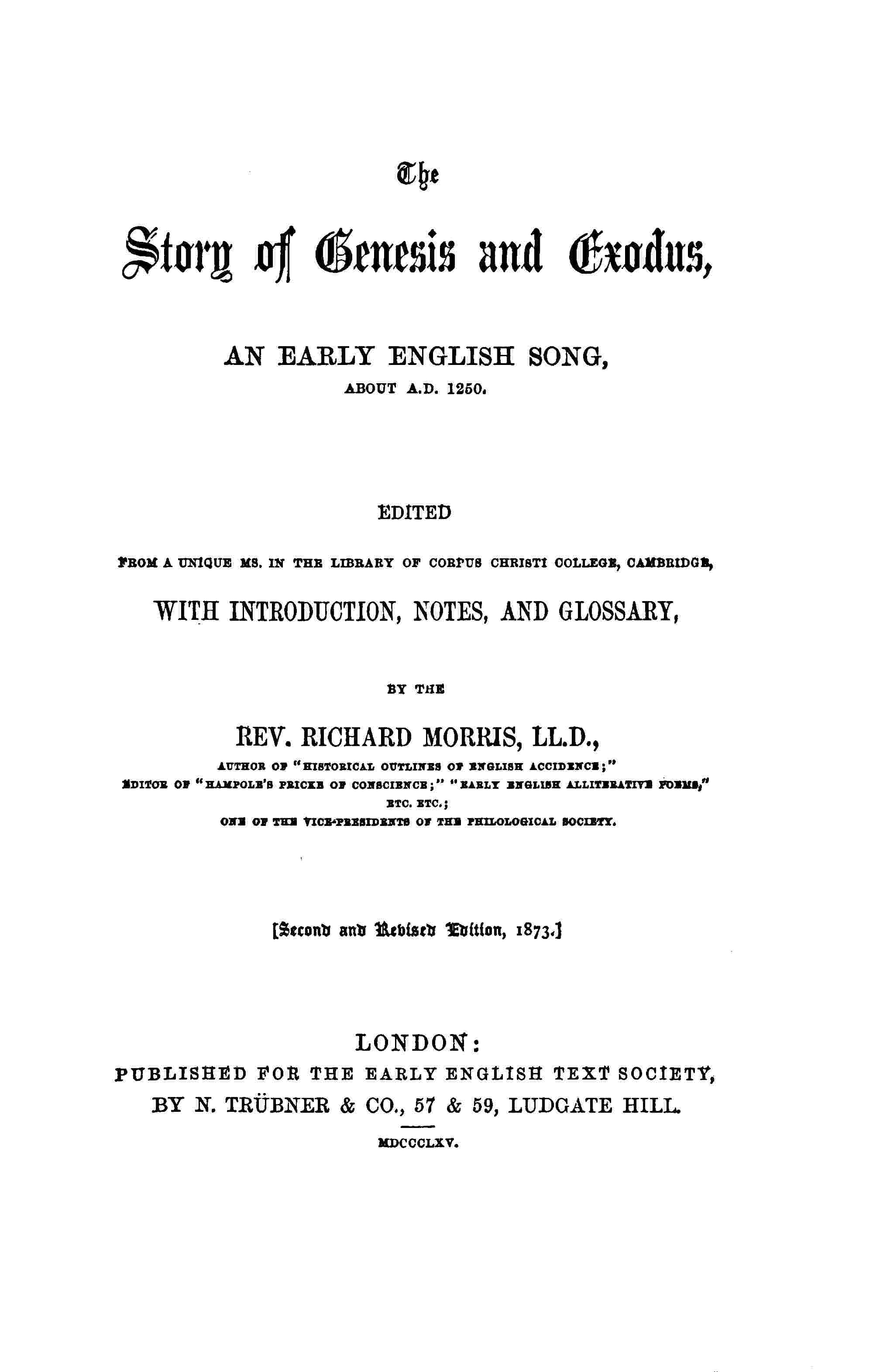


The unknown author introduces his work by addressing lay readers, explaining that his poem renders sacred stories from Latin into common English speech so that ordinary Christians might learn to love and serve God. Invoking divine aid, the writer presents the biblical narrative from the creation in Genesis through the wanderings of the Israelites and the life of Moses in Exodus, drawing upon both scripture and medieval legend while avoiding overly elaborate or profane embellishments. The narrative covers the fall of man, the antediluvian patriarchs, Noah and the flood, the tower of Babel, and the histories of Abraham, Isaac, and Jacob, before detailing Joseph's fortunes in Egypt and the subsequent oppression and deliverance of the Israelites under Moses.
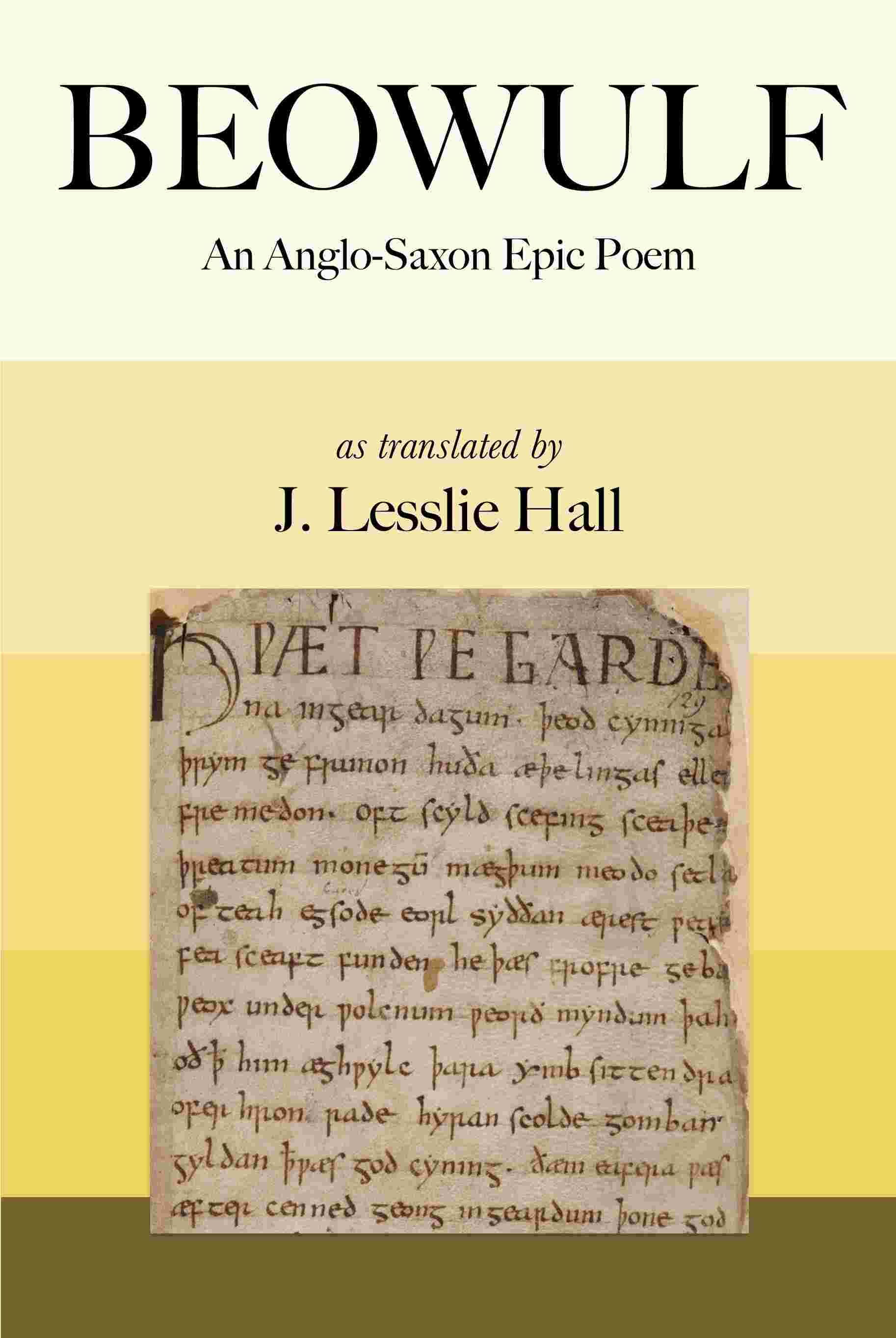
Throughout the text, the narrative maintains a straightforward style, balancing strict scriptural events with traditional accounts common to the thirteenth century. The author extends his history through the Exodus and into parts of Numbers and Deuteronomy to ensure a complete narrative of Moses and the Israelite wanderings. The poem is preserved in a single thirteenth-century manuscript, notable not for elevated poetic artistry, but for its immense philological importance as an early East Midland text that preserves native idioms despite the pressures of Norman rule.
Linguistically, the work exhibits characteristics of the southern East Midland dialect, showing close affinities with the Bestiary and the Ormulum while retaining distinct archaic features and minimal Scandinavian influence. The author utilizes a four-accent metrical line, varying syllable counts naturally and employing conventional rhetorical elements of early English verse. Modern scholarly editions of the manuscript provide extensive glossarial and grammatical indexes, illuminating the vocabulary, inflections, and orthographic peculiarities of this transitional period in the English language.
Ultimately, the poem stands as a testament to the piety and patriotism of early translators who fostered the vernacular during a time of linguistic transition. By rendering foundational texts into the language of the common people, the author ensured the preservation of native vocabulary and contributed significantly to the cultural heritage of early English literature. The work concludes with traditional benedictions for the author, the scribe, and all who read or listen to the tale.