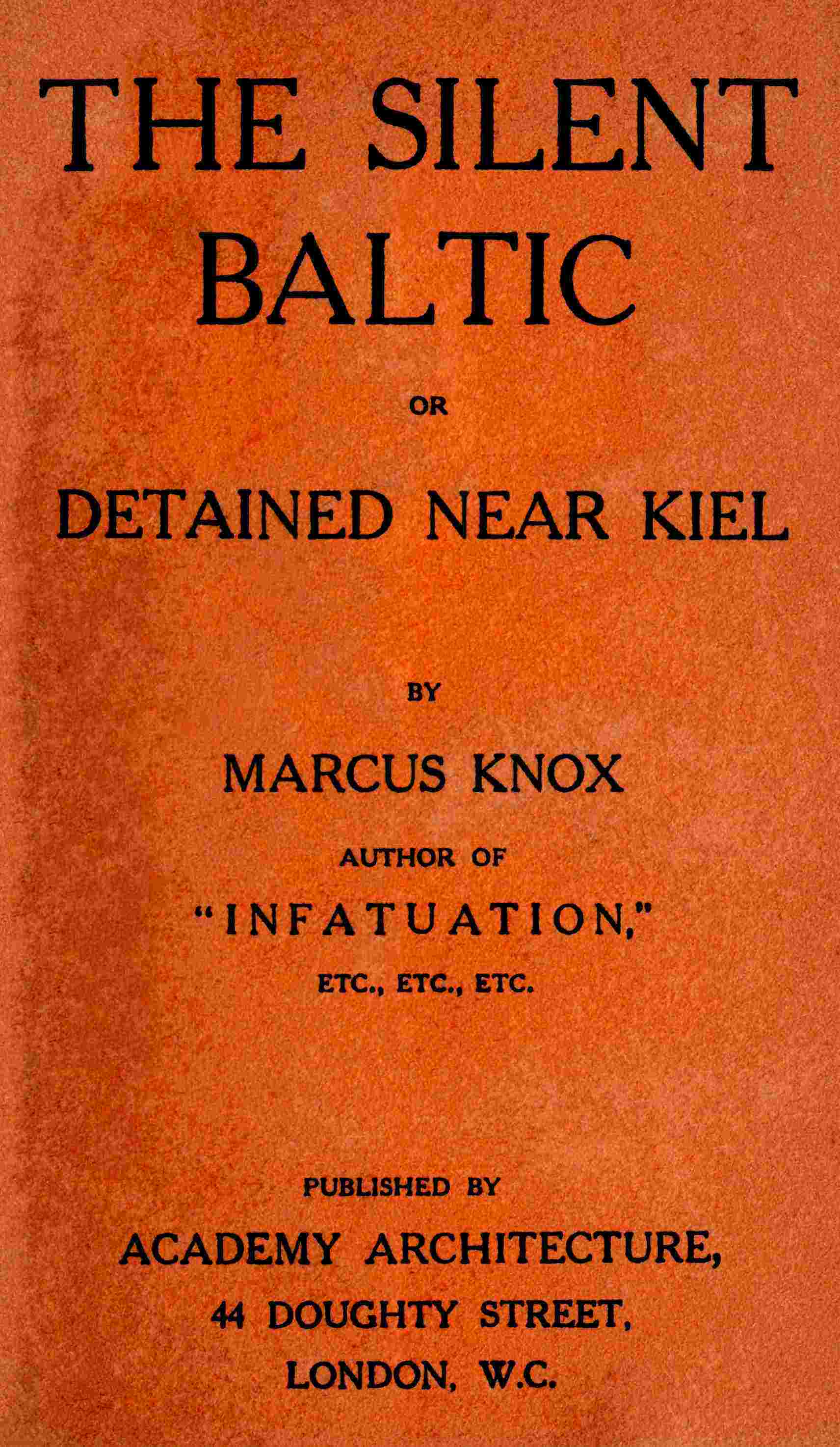




Marcus Knox recounts the abrupt shattering of peace in July nineteen fourteen, when a quiet holiday in Holstein near Kiel was instantly transformed by the declaration of the First World War. The narrative captures the immediate disruption of civilian life, the chaotic mobilization of millions of men, and the bewildered reaction of local communities who viewed the looming conflict with stolid obedience. As communications collapsed and the author found herself practically imprisoned in the small town of Neustadt, the daily reality of being an English citizen in an increasingly hostile environment became starkly apparent.
The text details the severe strain of living under military surveillance, where foreign nationals faced strict travel bans, suspicious authorities, and the pervasive fear of espionage. Knox describes the psychological weight of isolation, amplified by the relentless patriotic fervor of the local population and the pastor's daily denunciations of England. Ordinary routines were replaced by strict rationing, the repurposing of buildings into makeshift hospitals, and the tense waiting for news that arrived only through filtered official bulletins celebrating continuous victories.
Throughout the weeks of detention, the narrative highlights the quiet despair of families parting from soldiers and the logistical nightmares faced by stranded foreigners attempting to secure passage home. The social atmosphere shifted from initial disbelief to grim endurance as the reality of a multi-front war settled over Germany. The omnipresent tension of the nearby naval bases and the Kiel Canal created a perpetual sense of a besieged town, cutting off all normal intercourse with the outside world.
The climax centers on the arduous and hazardous journey undertaken to escape the interior, navigating a labyrinth of closed borders, frantic bureaucracy, and hostile travelers. Knox details the labyrinthine procedures at the Dutch frontier, relying on moments of unexpected official leniency and personal resolve to slip past military checkpoints. The narrative concludes with the profound relief of returning to England, contrasting the wartime anxiety of the continent with the enduring security and freedom of the homeland.