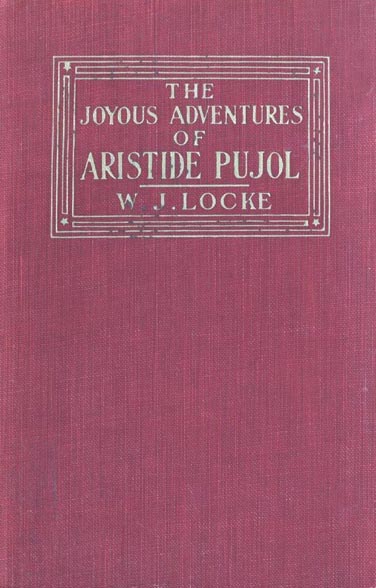






Aristide Pujol, an irrepressible Provençal adventurer, finds himself flush with cash after a stroke of luck at the baccarat tables in Aix-les-Bains. Living the high life among the wealthy elite, he encounters an innocent English girl, Betty Errington, and her mother, who have fallen under the spell of a smooth-talking sharper calling himself the Comte de Lussigny. Recognizing the count as a fraudulent gambler who recently fleeced an American acquaintance, Aristide appoints himself the girl's protector and takes up the cause of breaking off her ill-advised engagement.
Aristide confronts the bogus count in public, offering a dramatic insult that forces the scoundrel's hand. When the mother reveals that the naive girl has left compromising letters in the adventurer's possession, Aristide sets out to redeem them. He negotiates a steep ransom funded by the mother, but the wily count proposes a high-stakes gamble instead: the letters against a fortune. The narrative dances through tension and bravado as Aristide plays his hand against a desperate adversary, balancing his grand illusions of romance with the hard reality of survival.
Throughout these escapades, Aristide remains delightfully impervious to cynicism, treating life as a vast theatrical stage where he is both the director and the star. His quixotic quest for honor and love leads him through a maze of absurd confrontations, testing the limits of his charismatic bluff. Yet beneath his theatricality lies a genuine tenderness for the vulnerable and a fierce loyalty to his friends.
The conflict reaches its peak when Aristide must risk everything he has won to secure the letters and save the young Englishwoman from a lifetime of regret. His audacious methods shock the conventional British sensibilities of the mother and daughter, yet they achieve the desired result through sheer theatrical force. Aristide's triumph is short-lived in terms of material wealth, but his spirit remains entirely unbowed by the fickle turns of fortune.