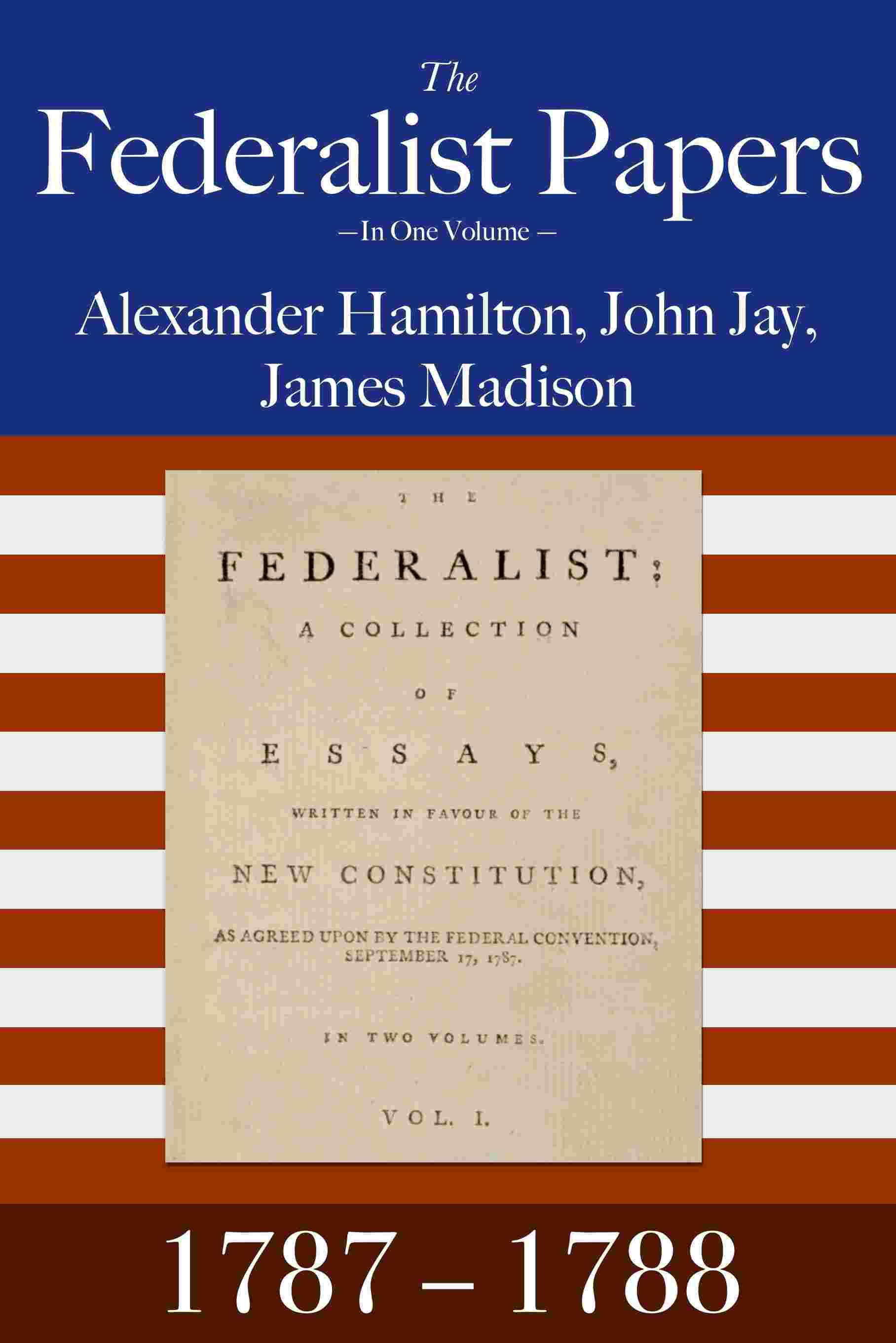


The Federalist Papers address the critical period of American history following the Revolutionary War when the newly independent states struggled under the weak framework of the Articles of Confederation. The authors pose a fundamental problem: whether societies of men are truly capable of establishing good government from reflection and choice, or whether they are forever destined to depend on accident and force. Throughout the essays, they systematically dismantle the arguments against a consolidated national government, demonstrating that the existing confederation leads directly to national humiliation, domestic faction, and economic ruin.
Hamilton, Madison, and Jay examine the myriad dangers facing disunited states, including foreign force and influence, commercial rivalries, territorial disputes, and the constant threat of war between neighboring sovereignties. They argue that a dismembered America would inevitably mirror the warring states of Europe, ultimately giving rise to standing armies and domestic despotism. To counteract these perils, the authors propose a robust federal republic featuring a system of checks and balances, separation of powers, and a government whose laws operate directly upon individual citizens rather than upon corporate state bodies.
A central focus of the work is the control of faction—defined as a number of citizens united by a common passion or interest adverse to the rights of others or the permanent interests of the community. Madison famously argues in Federalist Number Ten that the causes of faction cannot be removed without destroying liberty itself, and therefore relief must be sought in controlling its effects through the republican principle of representation and the extension of the sphere over a large territory. A diverse, extended republic dilutes the influence of dangerous majorities and prevents local passions from sweeping the entire nation.
Further sections dissect the specific structures proposed by the new Constitution, including the organization of the House of Representatives, the Senate, the executive branch under a vigorous president, and the independent federal judiciary. The authors detail how these institutions provide adequate energy for the administration of the common defense, taxation, commerce, and foreign relations, while meticulously preserving the essential authorities of local state governments.
Ultimately, the papers present a pragmatic defense of constitutional government rooted in a realistic appraisal of human nature. The authors contend that men are ambitious, vindictive, and rapacious, making energetic governance an absolute prerequisite for the preservation of liberty and property. By choosing union over disunion, Americans can secure their safety, vindicate the honor of republican government, and erect an empire capable of standing independent of transatlantic force and influence.