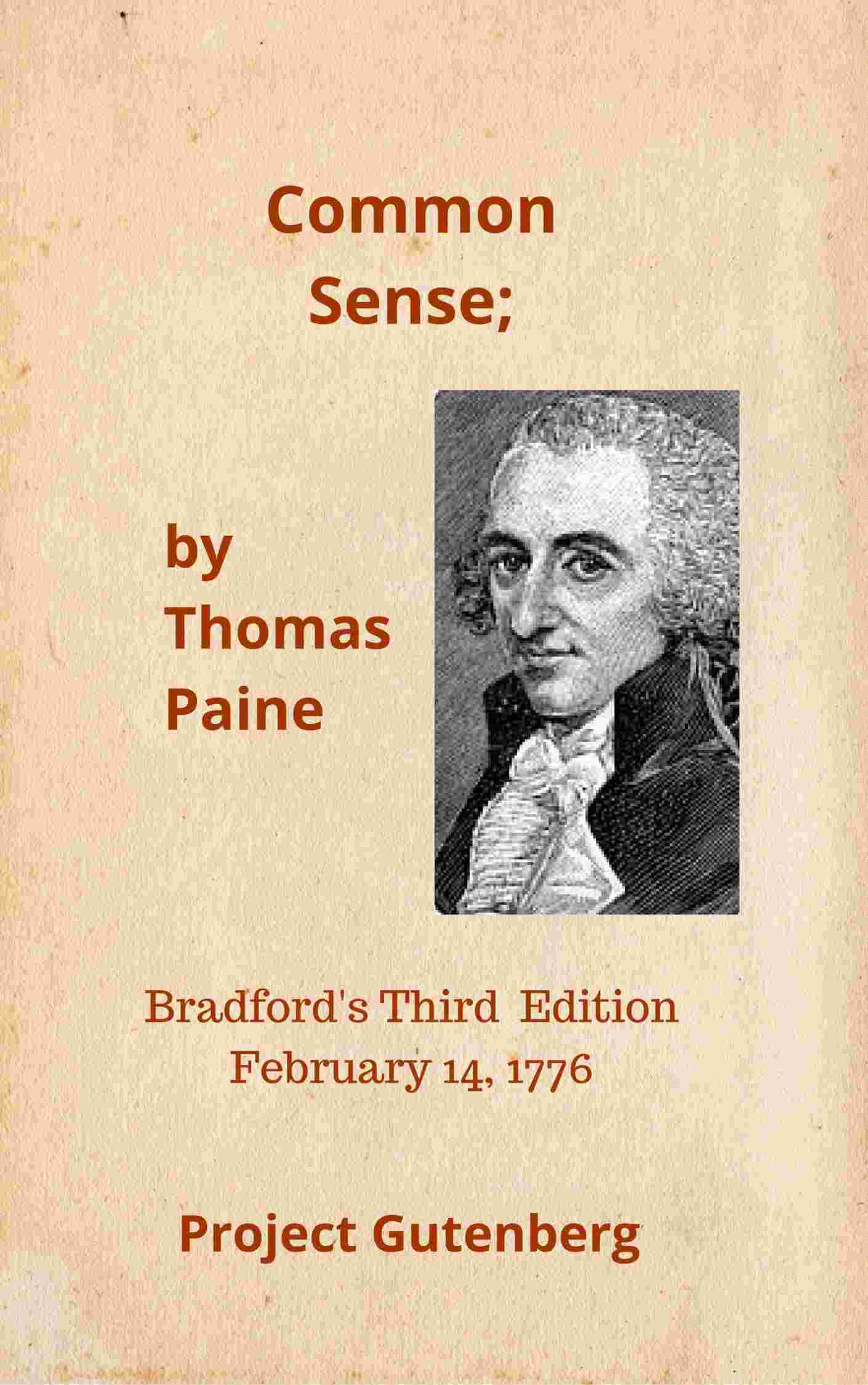



Thomas Paine opens with a fundamental distinction between society, which is always a blessing, and government, which is at best a necessary evil required to supply the defects of moral virtue. Security is the true design of government, and any form that achieves this with the least expense and greatest benefit is preferable. Through this lens, Paine attacks the British constitution as a complex and absurd system composed of the base remnants of monarchical and aristocratical tyrannies, married to republican elements that are systematically undermined by the crown. He argues that hereditary succession violates natural human equality and invites disaster by opening the throne to minors, the aged, or the incompetent, pointing out that historical civil wars in England directly disprove the claim that monarchy preserves peace.
Transitioning to the American context, Paine rejects the notion that the colonies owe loyalty to Britain as a parent country, noting that Europe as a whole is the true asylum for liberty and that Britain's protection was motivated solely by self-interest and trade dominance. Connection to Britain drags the colonies into unnecessary European wars and ruins commerce. Paine challenges the belief that reconciliation is possible after the outbreak of military conflict, asserting that the wounds are too deep and that any temporary patch-up will only leave the sword to future generations. He argues that the present time, characterized by unity and sufficient military strength, is ideal for declaring independence, because delay increases division while a young population still possesses vigor and uncorrupted spirit.
Addressing the practicalities of self-governance, Paine outlines a blueprint for an American continental union, proposing a representative congress, frequent elections, and a charter that guarantees personal freedom, property, and religious tolerance while ensuring that the law remains king rather than any mortal monarch. He demonstrates through concrete calculations that America possesses abundant natural resources to build a navy and protect its commerce without foreign aid. Finally, Paine critiques the political interference of religious groups like the Quakers, arguing that neutrality in the face of tyranny is a dereliction of civic duty and that true peace can only be secured through a final, decisive break from an oppressive crown.