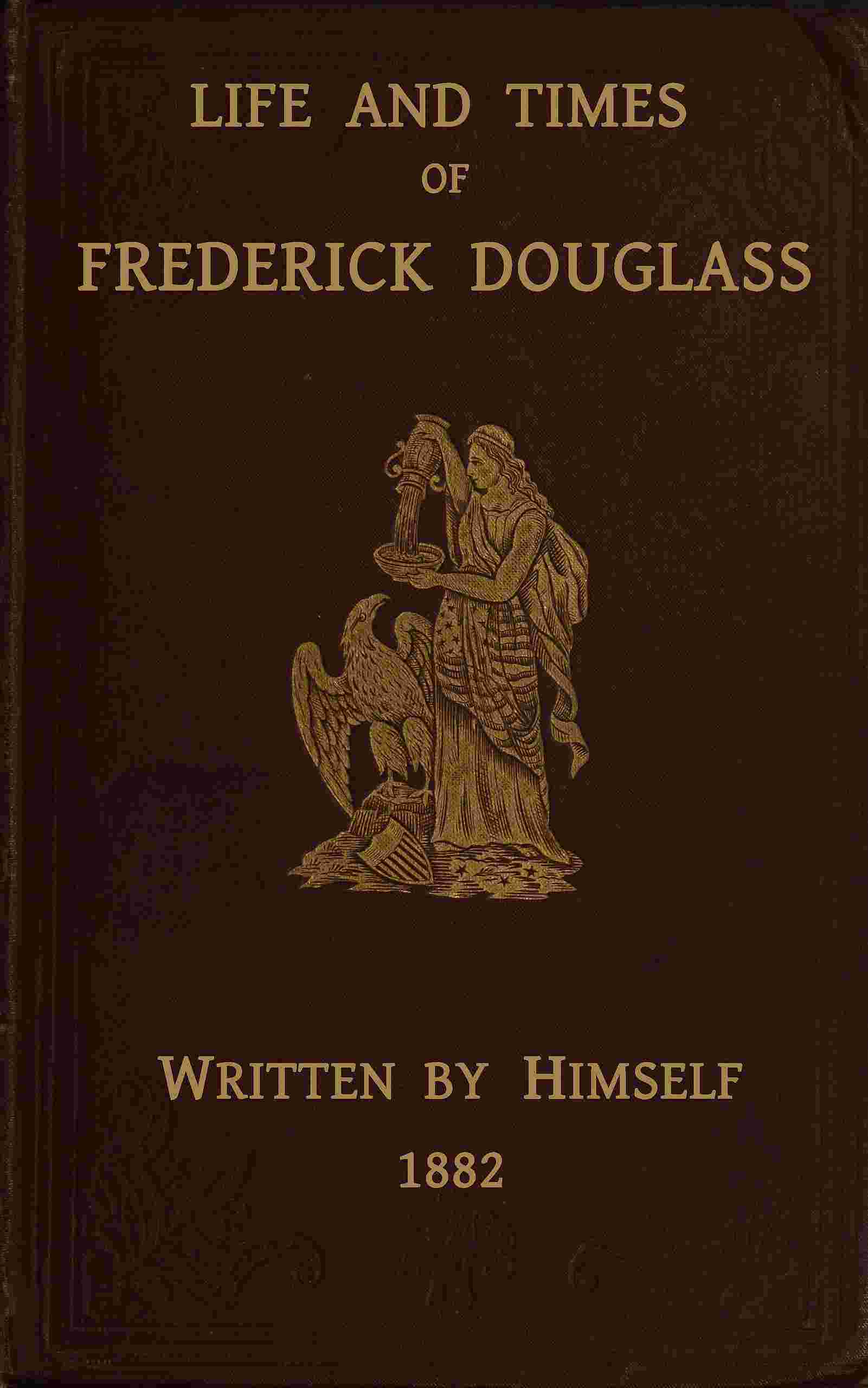


The book begins on the eastern shore of Maryland, where the young author experiences the harsh isolation of rural slave districts, characterized by severe neglect, scanty provisions, and the cruel separation of families. From his earliest days with his grandmother, he gradually perceives the chilling truth of his condition under masters who viewed human beings as mere property. Witnessing brutal punishments inflicted by overseers like Austin Gore and experiencing the cold indifference of slaveholders, the narrative exposes the systemic violence that pervaded plantation culture. A major turning point arrives when he is sent to Baltimore to live with Mr.
and Hugh Auld. Here, amidst a more urban environment, his kind mistress initially teaches him the alphabet until her husband forbids further instruction, arguing that literacy spoils a slave. This prohibition only fuels his determination, leading him to covertly trade bread with white neighborhood boys in exchange for reading lessons from a spelling book.
As his intellect expands through works like the Columbian Orator, his torment deepens with the full realization of his permanent bondage, yet it simultaneously lights the path to freedom. Following the deaths of his old masters, he is returned to the Eastern Shore under the control of Thomas Auld and subsequently hired out to Edward Covey, a notorious negro-breaker. Under Covey, he suffers months of relentless physical toil and brutal whippings that break his spirit until a desperate, physical confrontation with the tyrant restores his self-respect and resolves him never to submit again. Moving to the milder rule of Mr.
Freeland, he secretly educates fellow slaves in a clandestine Sabbath school and begins formulating a daring escape plot. Betrayed before the plan can be fully executed, he is imprisoned briefly and eventually sent back to Baltimore to learn the trade of ship-caulking. The memoir culminates in his meticulously planned and executed escape to the northern states, where he achieves freedom, adopts his new surname, and immediately plunges into the abolitionist crusade, transforming his personal triumph into a lifelong battle for human rights.