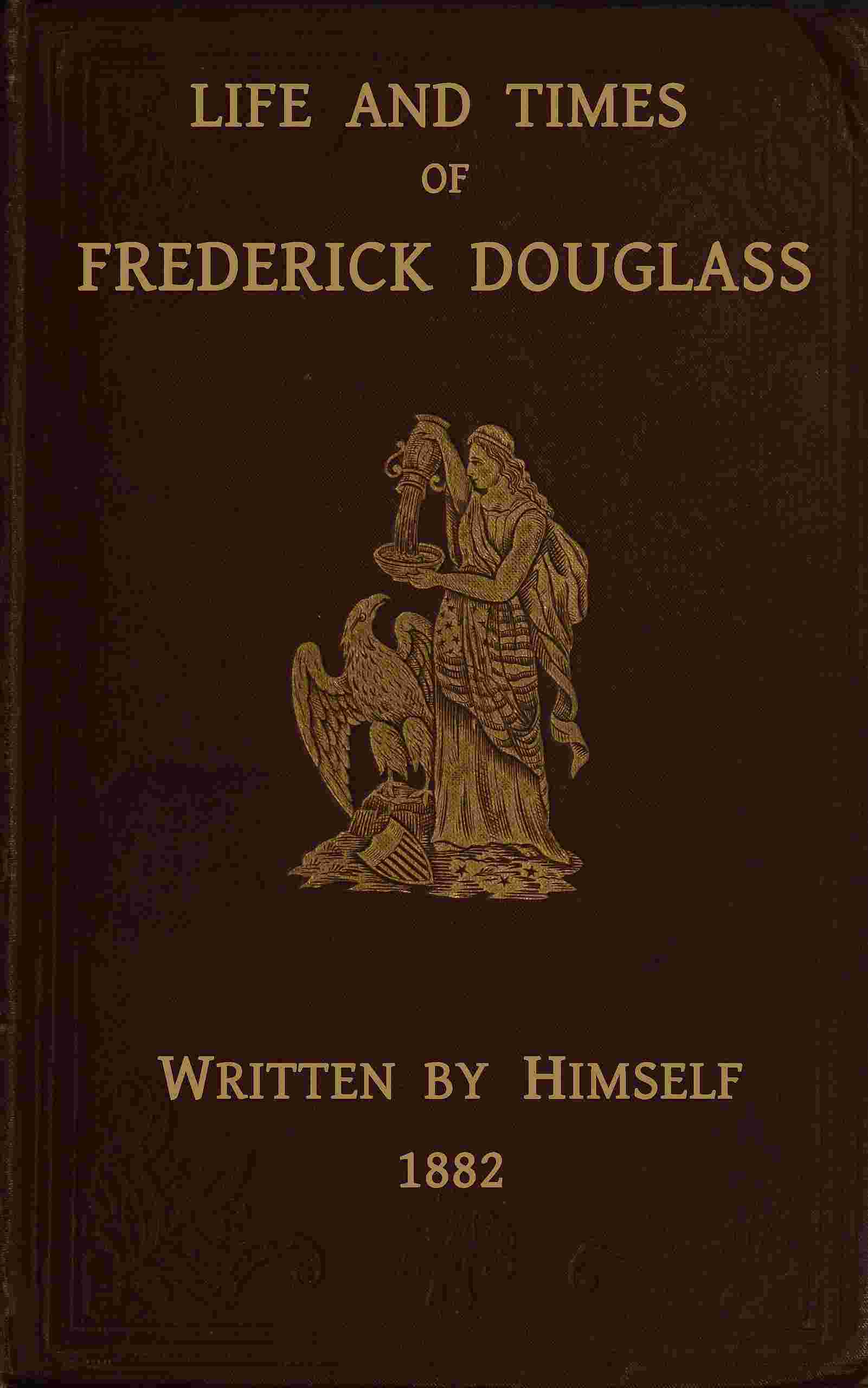


The book details the harsh realities of plantation life in Maryland, contrasting the extreme poverty and physical brutality endured by field hands with the lavish luxury of the slaveholding class. The author describes his early separation from his mother and grandmother, exposing how the slave system systematically dismantled family structures and denied basic human dignity. Following his transfer to Baltimore, the author learns to read and write despite strict prohibitions, discovering the true mechanisms of oppression and the undeniable logic of human equality.
The narrative follows his return to the Eastern Shore under the cruel dominion of a professional slave-breaker named Edward Covey. Here, the physical and psychological toll of bondage reaches its peak, culminating in a violent physical confrontation with his master. This pivotal struggle restores the author's sense of self-respect and marks the turning point of his endurance. Throughout the text, the author exposes the hypocrisy of religious slaveholders who mask brutality behind piety, demonstrating how faith was routinely perverted to justify human property.
The final portions of the narrative detail the steady cultivation of his desire for liberty, sustained by secret literacy and quiet resolve. The author outlines the constant vigilance required to survive amidst pervasive suspicion and betrayal. Without relying on external saviors or romanticized tropes, the text presents a calculated, sober analysis of the machinery of slavery. The account concludes with the foundations of his eventual escape, leaving the reader with a profound testament to the power of self-emancipation and the unyielding dignity of the oppressed.