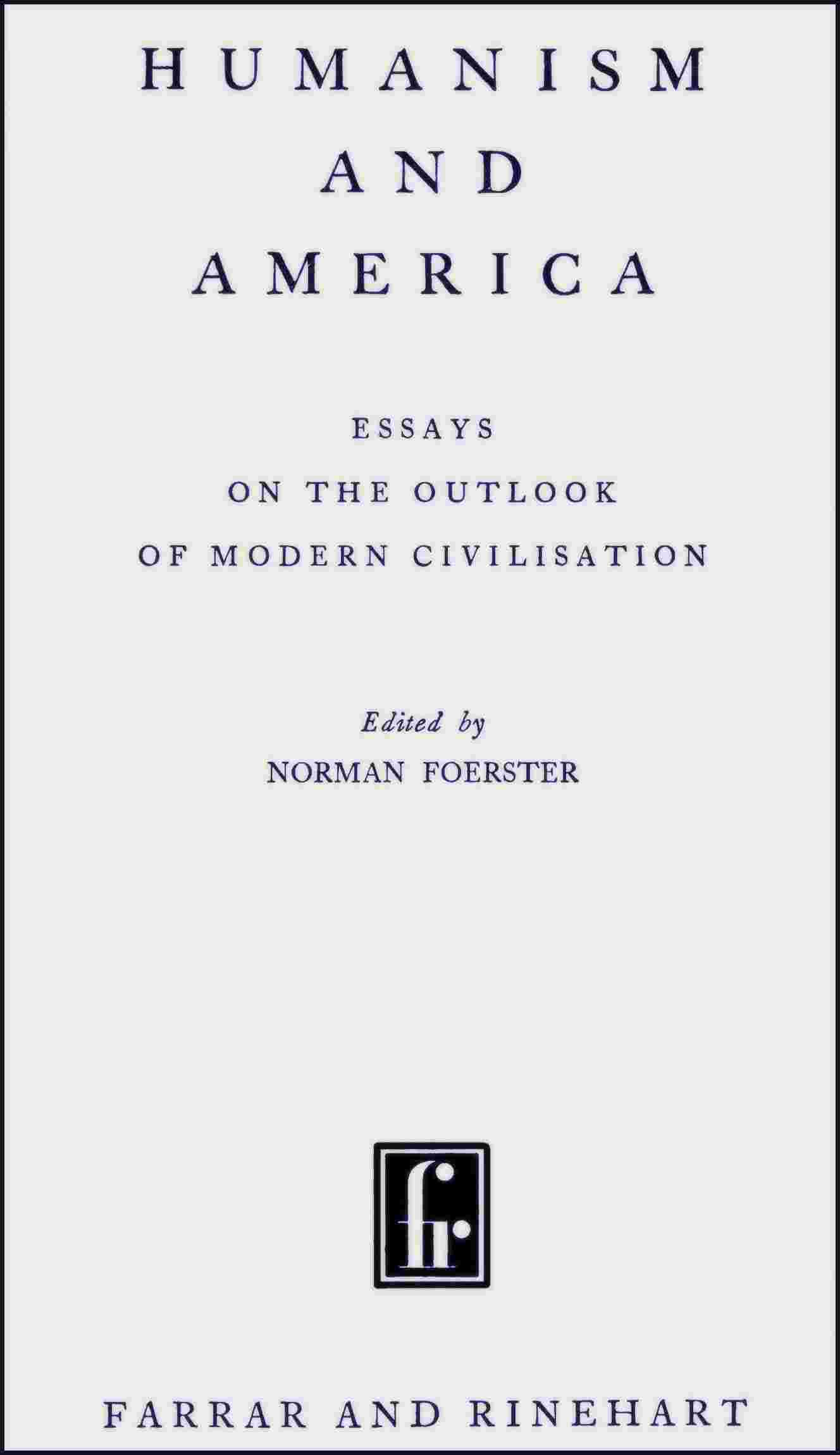




The work opens by diagnosing the modern temper as a prolonged spiritual headache, brought on by the rapid expansion of mechanism, commercialism, and a skeptical revolt against traditional values. The author argues that civilisation in the United States sets a global pattern for this twentieth-century predicament, wherein intellectual atmospheres are charged with a stale skepticism that fails to construct a meaningful basis for human existence. To counter this decay, the volume proposes the revival of humanism as a working philosophy, seeking a resolute distinction between man and nature, and between man and the divine.
The central argument traces the development of humanism through the foundational work of critics like Irving Babbitt and Paul Elmer More. These thinkers restored the classical law of measure, emphasizing self-control, poise, and the centrality of human experience against the formless expansion of romanticism and naturalism. The text systematically addresses the stock objections raised by modernists who dismiss humanism as academic, un-American, reactionary, or Puritanic, showing each critique to be rooted in a fundamental misunderstanding of discipline and the historical continuity of culture.
Subsequent chapters, contributed by various scholars and critics, apply humanistic standards to specific fields of modern life, including science, religion, art, tragedy, and education. Louis Trenchard More exposes the false pretensions of scientific naturalism, demonstrating how the mechanistic method becomes invalid when applied to the subjective phenomena of the mind. Other essayists examine the plight of the arts, the dilemma of modern tragedy, and the inadequacies of utilitarian and sentimental substitutes for genuine religion, revealing the spiritual anarchy that follows the abandonment of the will to refrain.
The volume concludes that humanism, while valuable in its own right as an instrument of common sense and moderation, gains immensely in effectiveness when it rests upon a background of religious insight. The higher will in man must be recognised as a psychological reality and a power of vital control over expansive desires. Without this discipline, the immense machinery of modern power inevitably serves the destructive will to power, plunging society into chaos.
Ultimately, the authors do not seek to form a closed school or cult, but offer these essays as suggestions toward a new integration of values. They suggest that the battle determining the future of modern civilisation will be fought out in education, where the reigning gospel of humanitarian service must be challenged by a return to the wisdom of the ages and the true discipline of the human spirit.