




The historical development of the Spanish theatre in the sixteenth and seventeenth centuries was marked by a long struggle against ecclesiastical opposition and poor theatrical infrastructure. Dramatic representations began in the hands of the Church through mysteries and religious dramas, while secular attempts were frequently suppressed by the Inquisition. The popular vein of the national drama was struck by Lope de Rueda, a goldbeater and actor who led a strolling company and brought simple farces and pastoral colloquies into public squares with the most rudimentary apparatus. His successors, including Juan de Timoneda, Alonso de la Vega, and Juan de la Cueva, expanded the scope of the stage with historical subjects and varied metrical forms, though classicists like Ger3nimo Bermudez and Lupercio de Argensola attempted to force the Spanish drama into the rigid mould of Greek tragedy.
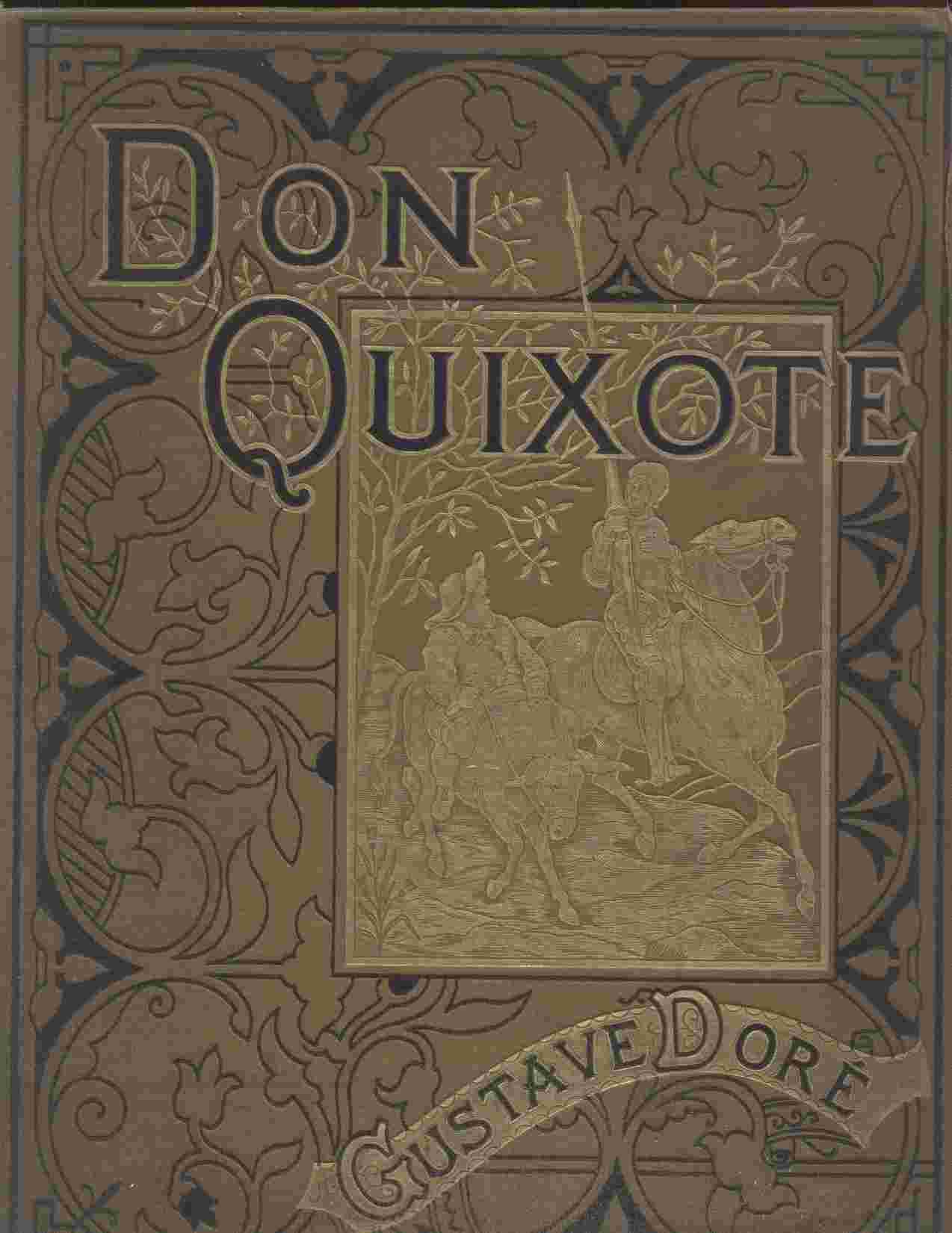
Simultaneously, the profound religious element in the Spanish character found expression in the life and works of Luis de Leon, whose prose treatises, poems, and translations from the Hebrew scriptures reflected the deep devotion and severe classical finish of Spanish lyric poetry despite his long imprisonment by the Inquisition. In contrast, Miguel de Cervantes struggled against poverty and theatrical neglect to raise the standards of the stage with his early plays, though his true genius culminated in Don Quixote. His dramatic efforts, including the Numancia and various farces, lacked the structural mastery required for theatrical illusion, yet they displayed authentic power and originality. Cervantes ultimately confronted the challenge of his age by destroying the absurdities of chivalric romances and creating two immortal characters whose universal humanity transcended their immediate satire.
While Cervantes remained neglected by the contemporary court, Lope de Vega rose to unprecedented popularity by fully aligning his genius with the national spirit. Lope mastered every literary form, producing vast quantities of miscellaneous verse, prose pastorals, and epics, yet his greatest triumph was the definitive establishment of the national drama. By inventing the Capa y Espada plays, historical dramas, and realistic representations of common life, he provided the public with entertaining works filled with national manners, honor, and gallantry. His immense facility and versatility allowed him to supply the public theatres with thousands of dramas while simultaneously engaging in the religious festivals of the capital.
The evolution of the Spanish stage reached its zenith through the integration of popular appeal and religious accommodation, visible in the lavish sacramental autos and saints' plays that dominated the seventeenth century. Lope and his contemporaries successfully navigated the demands of the Church and the court, creating a vibrant theatrical culture that reflected the complex psychology of the Spanish people. Although many early texts were lost and classical unities were systematically ignored, the resulting national drama became a monumental achievement of modern European literature, rooted deeply in the unique character and historical experiences of Spain.