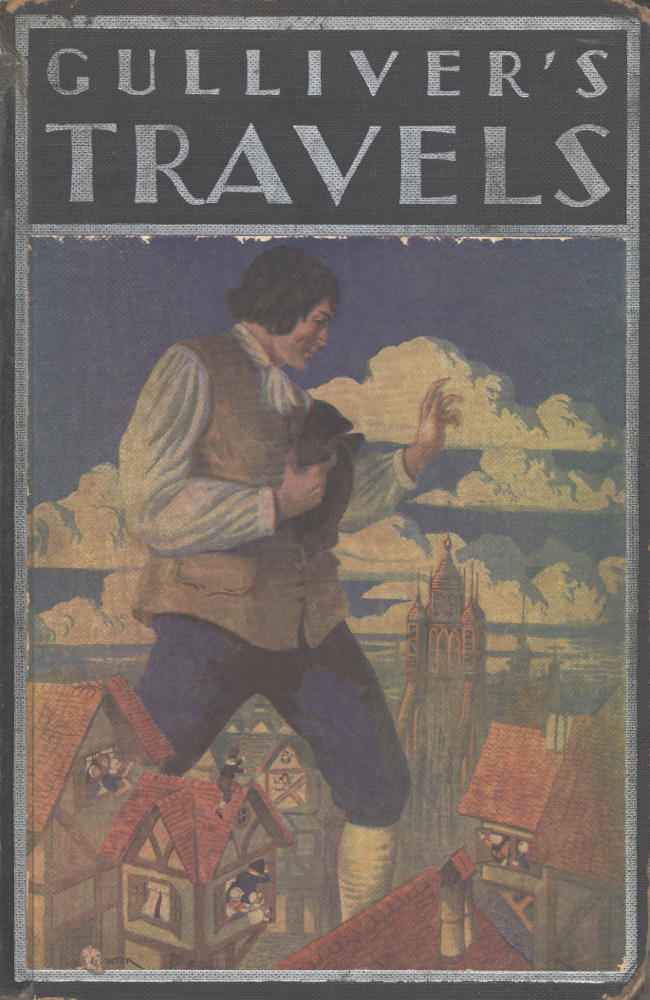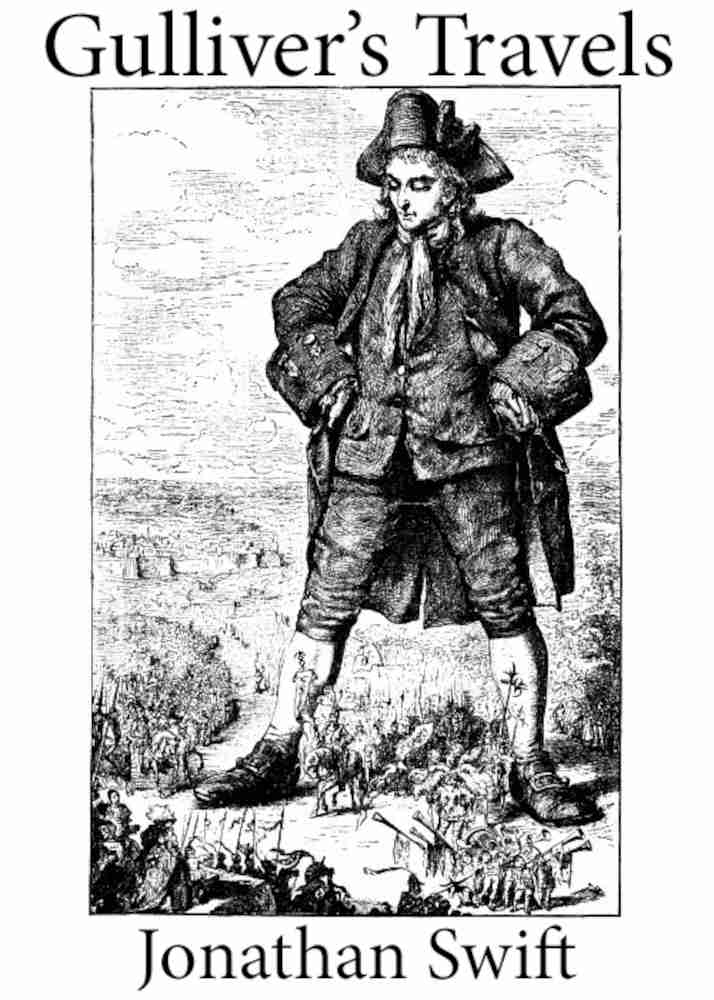
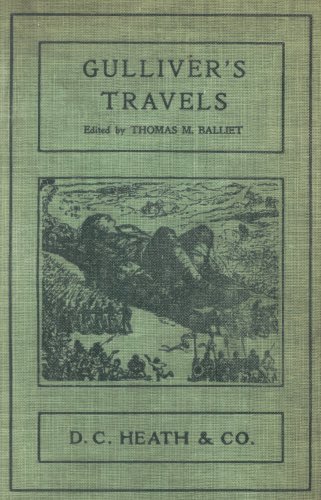


Lemuel Gulliver, a practical ship's surgeon driven by an insatiable restlessness, embarks on a series of maritime journeys that repeatedly subvert his understanding of humanity. Washed ashore first in Lilliput, a land of six-inch mortals, he initially plays the role of a benevolent giant, mastering their politics and defending them from invasion. However, he soon discovers that their diminutive stature mirrors a petty nature defined by factionalism, treacherous court intrigues, and absurd controversies over trivial matters like egg-breaking.
Cast adrift once more, Gulliver finds himself in Brobdingnag, a continent inhabited by giants where his immense pride is instantly shattered. Here, reduced to the status of a helpless toy and a biological curiosity, he is exhibited for profit before eventually entering the royal household. Through his conversations with the enlightened King of Brobdingnag, Gulliver attempts to glorify European institutions, warfare, and politics, only to have the monarch systematically dismantle them as violent and irrational.
His subsequent travels lead him to the flying island of Laputa and the academic wasteland of Lagado, where he encounters a society of fanatical mathematicians and detached intellectuals who have entirely divorced themselves from common sense. They obsess over abstract theories while their agricultural and structural foundations literally crumble around them, perfectly illustrating the perils of knowledge detached from practical utility. This leg of his journey further exposes the dangerous absurdity of letting pure theory override human reality.
Continuing his wanderings, Gulliver visits Glubbdubdrib, the island of sorcerers, where he summons the ghosts of historical figures to converse with them. Stripping away the flattering veneer of conventional history, these encounters reveal that human greatness is frequently built on deceit, corruption, and mediocrity. The illusions of historical glory are systematically dismantled as he learns how petty motives frequently drive momentous world events.
Finally, Gulliver arrives in the land of the Houyhnhnms, a utopian society governed by rational, noble horses, contrasted sharply with the Yahoos—vile, filthy beasts that shockingly share human physical form. Living among the Houyhnhnms, Gulliver grows to revere their pure reason and detest his own species, desperately trying to emulate their ways while rejecting his fellow humans as irredeemably corrupt.
When he is ultimately banished from this paradise because he is too closely related to the Yahoos, Gulliver returns home deeply scarred and profoundly alienated. Reentering European society, he finds himself utterly incapable of enduring human company, viewing his family and neighbors not as loved ones, but as detestable Yahoos whose very presence sickens him. Swift's masterwork concludes not with a comforting resolution, but with a scathing indictment of human pride that leaves its protagonist stranded in permanent misanthropy.