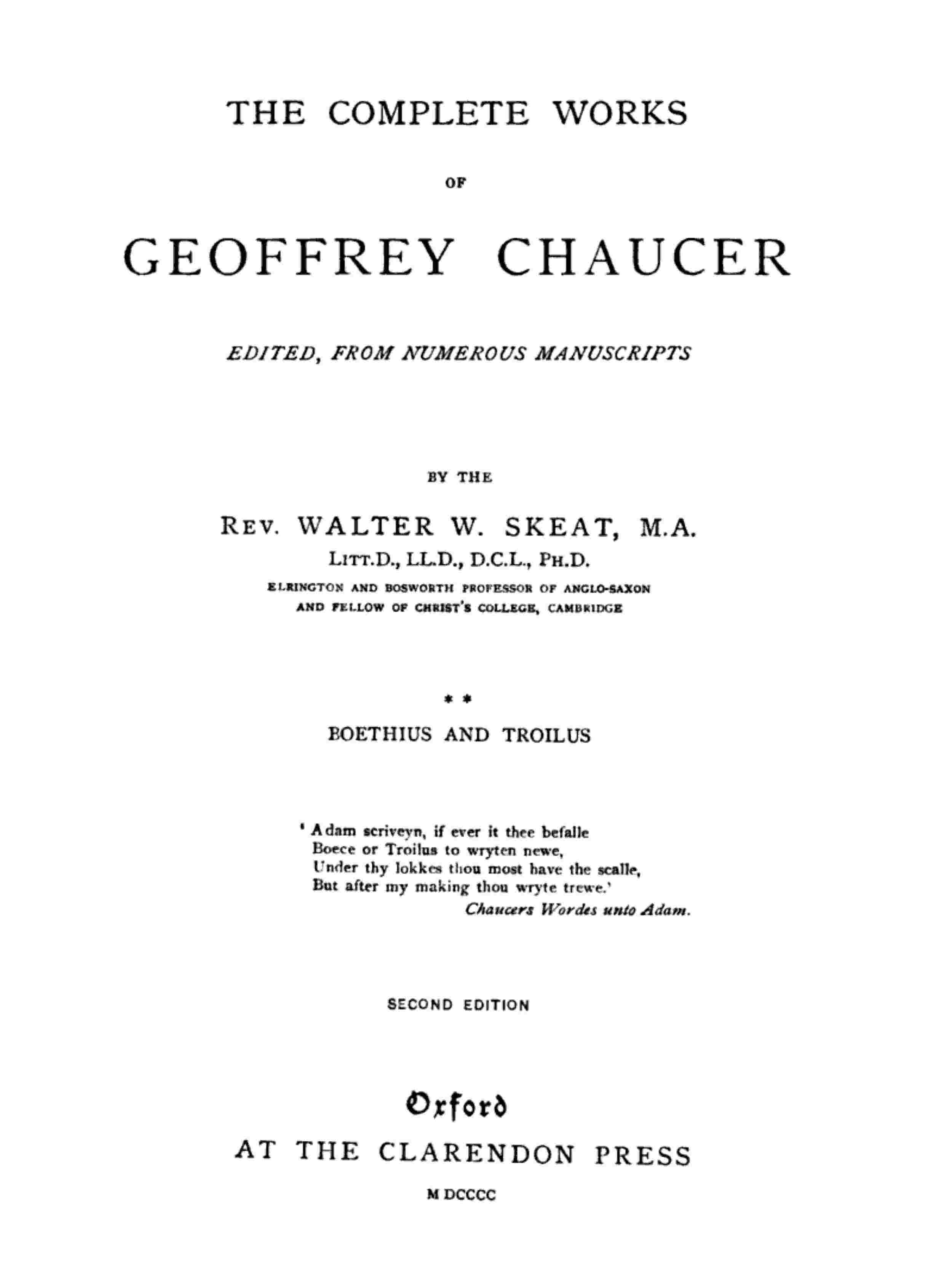






The work opens with the narrator plunged into deep despair, mourning the loss of his former prosperity, status, and freedom after falling victim to unjust political accusations. In his darkest hour, personified Philosophy appears as a stern yet comforting nurse, gently stripping away the illusions of worldly success. She demonstrates that external goods like wealth, power, fame, and bodily pleasures are inherently fragile, deceptive, and entirely dependent on the shifting whims of Fortune. Because these things can be easily lost, they can never provide genuine sufficiency or lasting joy to a human being.
The argument then shifts from dismantling false goods toward the pursuit of the supreme good, which is shown to reside within the soul itself through self-mastery and wisdom. Philosophy addresses the difficult problem of how to reconcile divine providence, fate, and foreknowledge with human free will in a world that often appears unjustly disordered. Ultimately, the text teaches that true freedom and happiness are achieved by aligning one's mind with reason and virtue, rendering a person immune to the random blows of adversity.