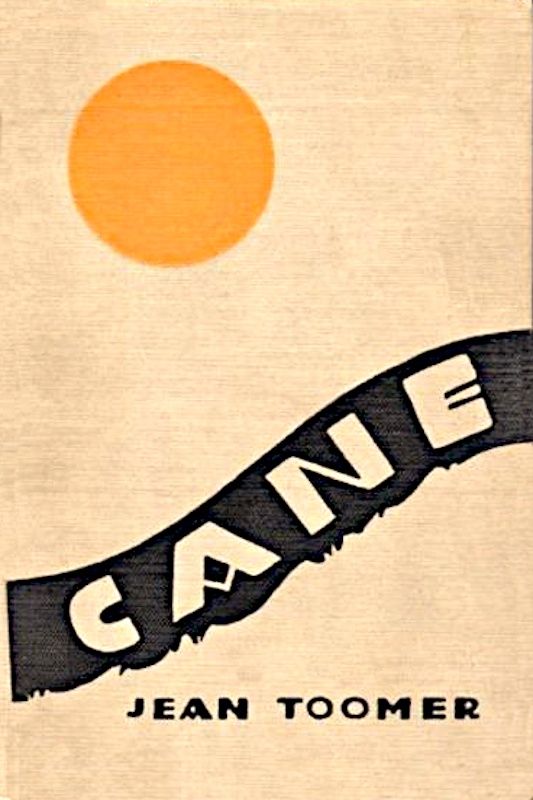



The book opens in the primitive, evanescent black world of rural Georgia, capturing the sensual beauty, the dark shadow of racial terror, and the deep roots of folk song through portraits of women like Karintha, Becky, and Fern. These sketches reveal lives shaped by isolation and the oppressive weight of southern history, where men and women grapple with their desires against a backdrop of pine forests, sawdust piles, and the lingering scars of slavery. The narrative then shifts to the threshing, suffering brown world of Washington, where characters like Avey, Dorris, and Paul navigate the urban labyrinth, striving for connection and self-actualization amidst the alienation of modern city life. This middle section exposes the cultural displacement and the desperate pursuit of identity among the urbanized colored elite and working class, highlighting the friction between traditional heritage and modern pretense.
The final movement returns to Georgia through the sprawling, dramatic narrative of Ralph Kabnis, a northern-educated teacher paralyzed by fear, artistic impotence, and the ghosts of his racial past. Kabnis struggles to reconcile his intellectual ambitions with the raw, rhythmic vitality of the southern soil and the mute suffering of figures like Father John, the blind former slave. Through these shifting forms of verse, tale, and drama, the work builds a complex aesthetic whole that captures both the tragic beauty and the fateful problem of the American South.