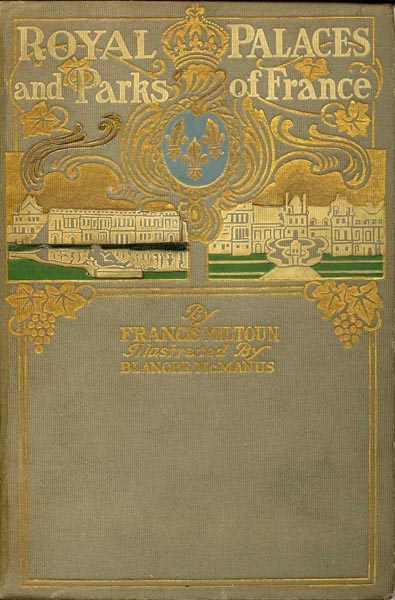



The text offers a sweeping exploration of the historic chateaux, palaces, and parks that served as the stages for French royal life. It begins by establishing how architecture and landscape design evolved from medieval defensive keeps into the flowering luxury of the Renaissance and the majestic scale of the seventeenth century. The narrative traces the personal tastes of monarchs from Francis I to Napoleon, examining how their ambitions transformed cities and countryside alike.
Particular attention is given to the urban palaces of Paris, including the Palais de la Cité, the old Louvre, the Tuileries, and the Palais Royal. Each structure is examined through the lens of contemporary chronicles, court gossip, and the architectural innovations introduced by master builders and gardeners like Le Notre. The text contrasts the intimate, poetic garden designs of earlier eras with the vast, theatrical formal layouts that came to dominate the grand siècle.
Moving beyond the capital, the narrative details the history of suburban and provincial domains such as Fontainebleau, Saint Germain, and the hunting forests that framed the outdoor life of the court. The royal hunt, with its elaborate ceremonies and picturesque pageantry, receives a full accounting as a central pillar of aristocratic existence. The narrative also uncovers the hidden histories of smaller country houses and pavilions associated with royal favorites and historic figures.
The final portions examine the rise and fall of these monumental settings through the political upheavals of the revolution and the nineteenth century. The narrative concludes with a detailed survey of Versailles, analyzing its monumental scale, its artistic treasures, and its role as the ultimate expression of monarchical power. Throughout, the text relies on primary accounts, old chronicles, and architectural evidence to reconstruct a vivid picture of a vanished world.