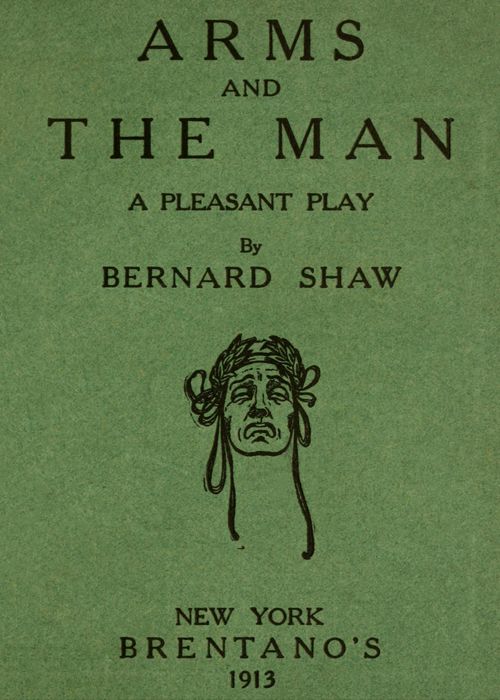


Arms and the Man opens in a small Bulgarian town during the 1885 conflict, introducing Raina Petkoff, a young woman steeped in romantic literature who idolizes her betrothed, Sergius Saranoff, a heroic cavalry officer. Her illusions are abruptly challenged when Captain Bluntschli, a pragmatic Swiss mercenary fighting for the opposing Serbian army, climbs onto her balcony to escape pursuit. Instead of acting the noble hero, Bluntschli carries chocolate instead of ammunition and confesses his utter exhaustion and fear of death, deeply offending Raina's romantic sensibilities yet compelling her to hide him from the searching soldiers.
Days later, after the war ends and the treaty is signed, the absurdity of military glory becomes increasingly apparent. Sergius, having resigned his commission in disgust over the politics of warfare, finds himself disillusioned with the artificial ideals he once championed. Driven by boredom and cynicism, he begins flirting with Louka, the Petkoffs' proud and ambitious maid, who secretly despises her station and resents the rigid social hierarchies of the aristocracy.
Complications multiply with the unexpected return of Bluntschli, who arrives to formally 5return the coat Raina lent him during his escape. As the truth about that night slowly unravels, the carefully constructed facades of both Raina and Sergius begin to crumble under the weight of actual honesty. Sergius realizes that his heroic posturing is nothing more than a hollow performance, while Raina discovers that she prefers pragmatic common sense over empty romantic rhetoric.
The narrative culminates in a series of surprising resolutions regarding social expectations and genuine affection. Louka challenges Sergius to abandon his cowardice and marry her regardless of class, a challenge he ultimately accepts with genuine conviction. Meanwhile, Bluntschli's true identity as the heir to a massive European hotel empire is revealed, completely altering the conventional calculations of wealth and status.
In the end, Raina rejects the manufactured nobility of her previous dreams in favor of a man who sees through her theatrical pretenses. Bluntschli formally proposes for her hand, bringing a grounded, sensible conclusion to a story that brilliantly dismantles the romantic mythology surrounding both war and love.