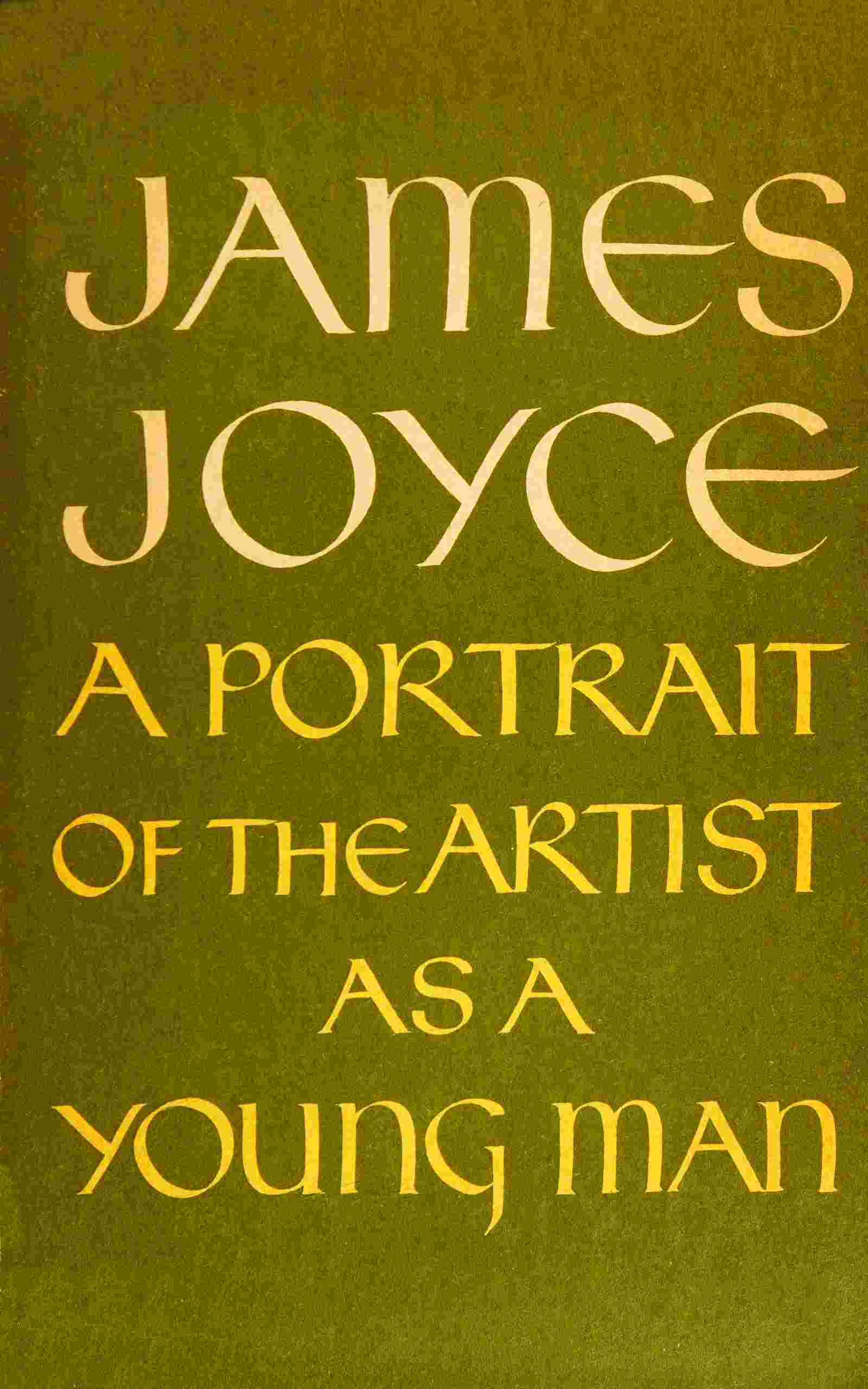

The book follows Stephen Dedalus from his early childhood at Clongowes Wood College through his turbulent adolescence in Dublin. Plagued by early experiences of alienation, physical weakness, and the emotional upheaval of his family's declining fortunes, Stephen drifts between intense piety and wild sensual indulgence. His adolescence is marked by a deep internal struggle with Catholic guilt, particularly after a series of terrifying sermons on hell during a school retreat drive him to temporary repentance and rigorous asceticism.
However, this spiritual fervor ultimately gives way to intellectual rebellion. As Stephen enters university, he engages in lengthy philosophical discussions with his peers and professors, gradually formulating his own theory of art and beauty. He comes to view the traditional pressures of church, family, and Irish nationalism as narrow cages designed to stunt individual freedom.
The central conflict revolves around Stephen's choice between accepting a religious vocation, which offers security and power, or embracing the uncertain, solitary life of an artist. Pressured by his surroundings yet repulsed by intellectual and spiritual conformity, he rejects both the priesthood and political causes.
The narrative follows his development from an impressionable, sensitive boy into a hardened, independent thinker who recognizes that true creation requires total autonomy. He confronts the squalor of his domestic life and the hypocrisy of his social environment with detached irony, chronicling his observations without sentimentality.
In the concluding portion of the book, Stephen's aesthetic philosophy crystallizes. He declares his intention to forge in the smithy of his soul the uncreated conscience of his race, prioritizing artistic expression over all social and religious loyalties. The novel ends with his quiet preparation for voluntary exile, ready to encounter reality on his own terms.