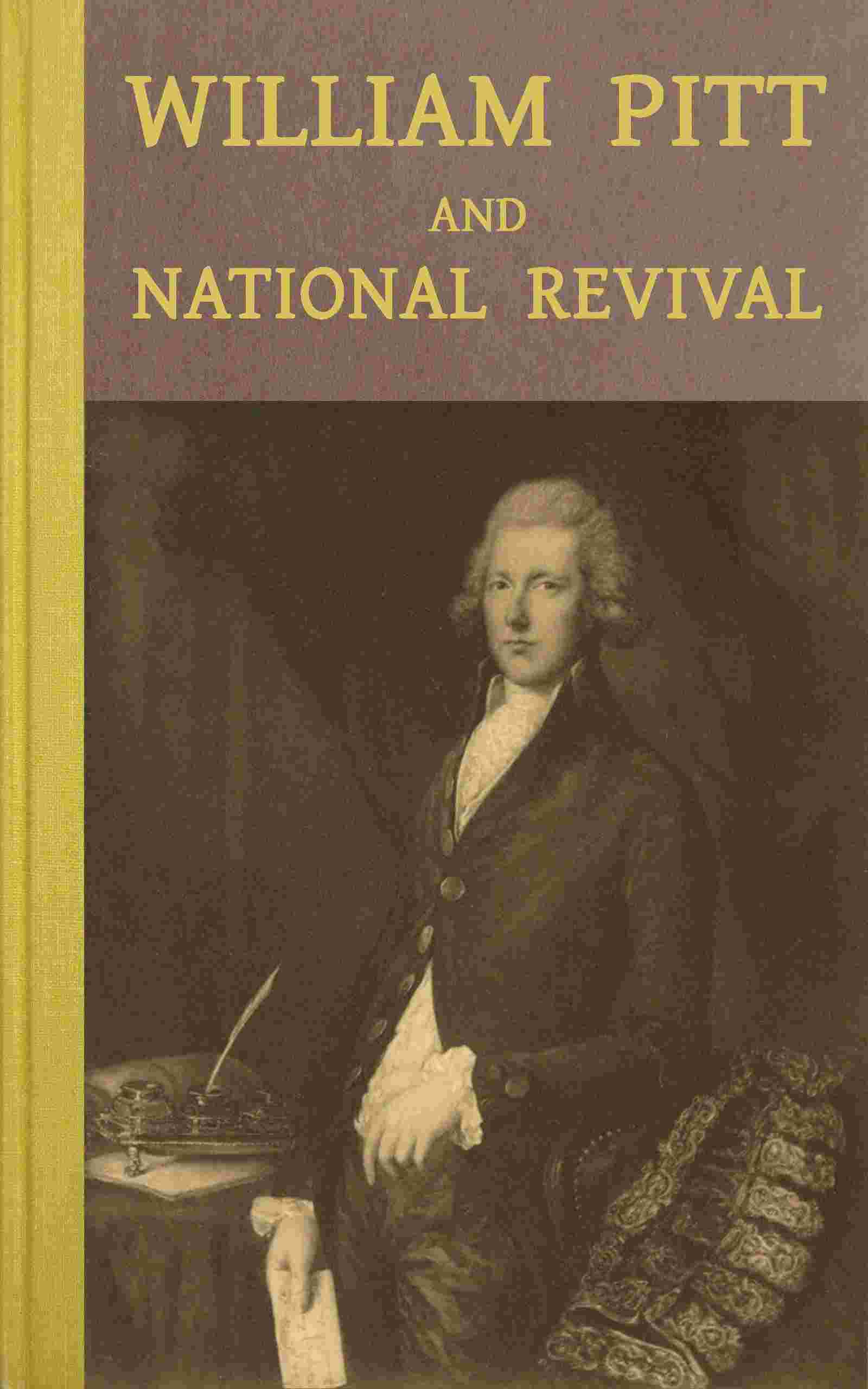



The book details the life and political environment of William Pitt the Younger from his birth in 1759 up to his accession to power. J. Holland Rose examines the condition of Great Britain at the close of the American War, highlighting the financial burdens, the temper of the army, and the deep-seated corruption within the political system. Through extensive use of newly available archives, including the Pitt Manuscripts and Foreign Office records, the author reconstructs the historical backdrop of late eighteenth-century Europe and its influence on British policy.
The narrative follows Pitt's early education at home, his studies at Pembroke Hall, Cambridge, and his brief training at Lincoln's Inn. It portrays a young man whose precocious intellect and towering ambition were carefully nurtured by his father, the Earl of Chatham. The text illuminates Pitt's entry into Parliament as member for Appleby, his rapid mastery of parliamentary debate, and his early attempts to champion parliamentary and economic reform in the face of deep-seated opposition.
A central theme is the intricate political maneuvering that accompanied the fall of Lord North's administration and the conclusion of the peace treaties with America, France, and Spain. The narrative covers the formation of successive fragile ministries, the complex diplomacy involving European powers, and the genesis of the infamous Coalition between Fox and North. Pitt's refusal to accept subordinate office and his steadfast defense of national interests are highlighted as key moments in his political maturation.
Throughout the work, the author weaves in details of Pitt's private life, his friendships with figures like William Wilberforce, and his social circle at Goostree's. The biography captures the dual nature of Pitt as both an austere statesman and a charming companion. It concludes just as the young statesman prepares to take the helm of government, poised to lead Great Britain through the impending storms of the French Revolution and the great wars of the coming century.