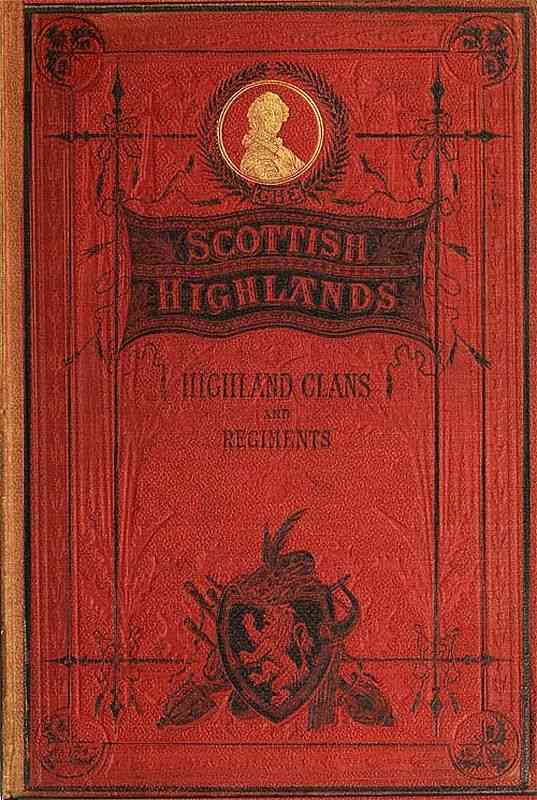

The volume begins with the social condition of the Highlands following the suppression of the rebellion in forty-five, focusing on the persistence of cattle-lifting, blackmail, and the absolute power of chiefs. It details the patriarchal distribution of land, the role of tacksmen, the primitive state of agriculture marked by the caschroim and run-rig systems, and the heavy burden of thirlage and personal services. The narrative moves to the profound innovations that subsequently transformed the region, detailing the rise of emigration, Dr Johnson and Pennant's observations of wretchedness in the western islands, and the introduction of large sheep-farms that displaced small tenants. The text explores the economic impact of kelp manufacture, the introduction and over-reliance on potatoes, and the frequent famines that accompanied crop failures.
Subsequent chapters trace the expansion of sheep-farming, the conversion of interior tracts into large holdings, the clearing of glens, and the painful transition of displaced populations toward the coasts or to new colonies across the Atlantic. The author presents both sides of the Highland question, weighing the sentimental and military arguments for retaining a dense rural population against the harsh economic realities of an unproductive soil and chronic overpopulation. The volume concludes with an extensive analysis of Gaelic literature, language, and music, contributed by the Reverend Thomas Maclauchlan, covering ancient manuscripts, the Ossianic controversy, Bible translations, and the poetry of the Highlands.