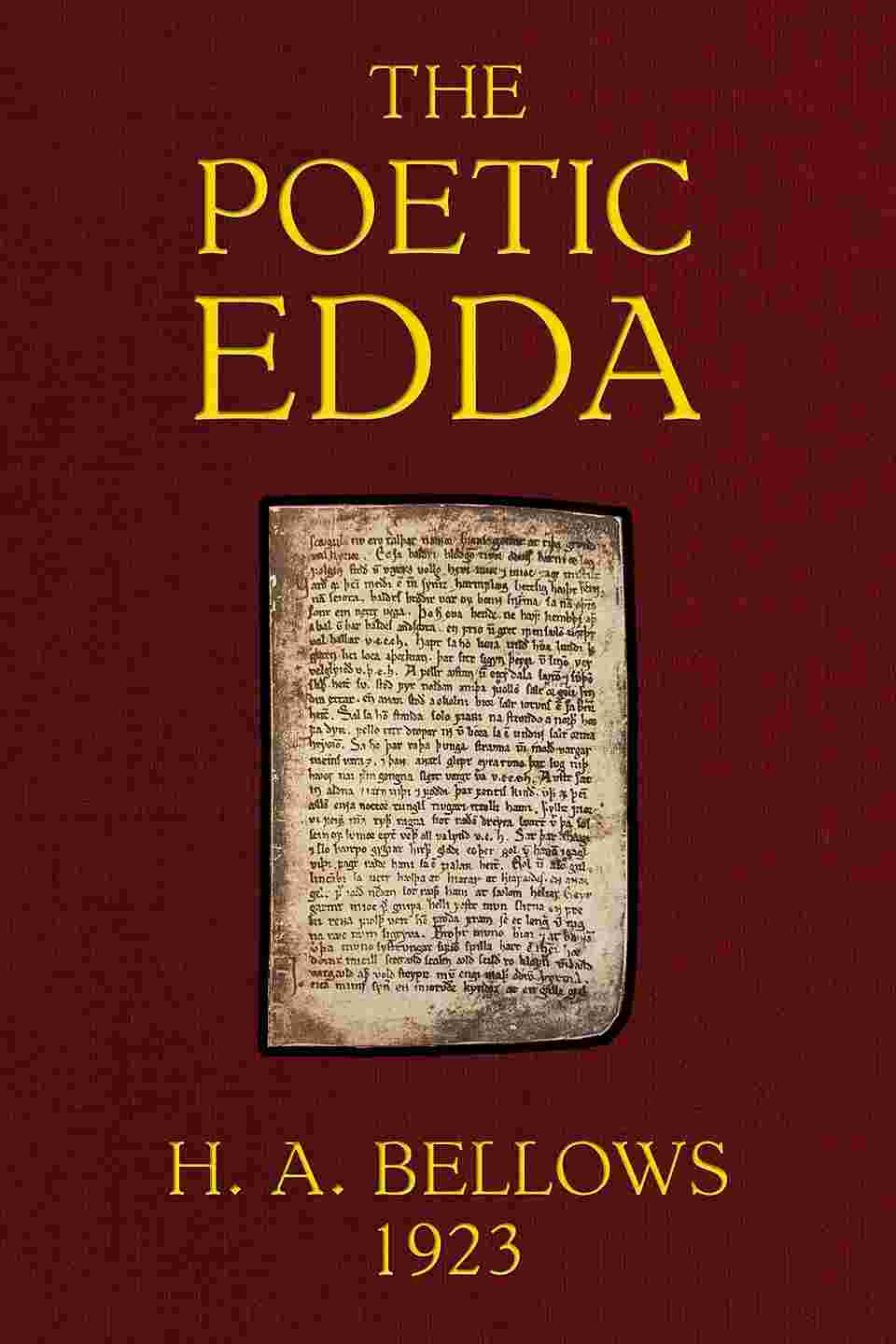

The Poetic Edda stands as the primary literary monument of ancient Scandinavian culture, preserving a rich corpus of mythological and heroic lays composed long before they were committed to writing. The collection opens with cosmological visions, notably the Voluspo, where a wise-woman recounts the creation of the universe from the void, the shaping of the world by the gods, and the ultimate cataclysm of Ragnarok, followed by the rebirth of a greener earth.
Wisdom and gnomic poetry form another core component, exemplified by the Hovamol, a collection of practical counsels, moral adages, and personal experiences attributed to Othin, touching on the values of moderation, friendship, prudence, and the acquisition of secret runes. Other mythological lays explore the domestic and dramatic conflicts of the gods, such as Loki's bitter insults at Ægir's feast and Thor's retrieval of his stolen hammer from the realm of the giants.
The heroic lays shift the focus to mortal and legendary figures, tracing the tragic cycles of legendary dynasties that parallel the German Nibelungenlied. Through dramatic monologues and narrative verse, the poems detail the consuming passions, loyalties, and bloody vengeance of figures like Sigurth, Brynhild, and Atli. The collection as a whole offers a window into the heroic ethos, fatalism, and imaginative grandeur of the pre-Christian North, where human agency contends against inevitable destiny.