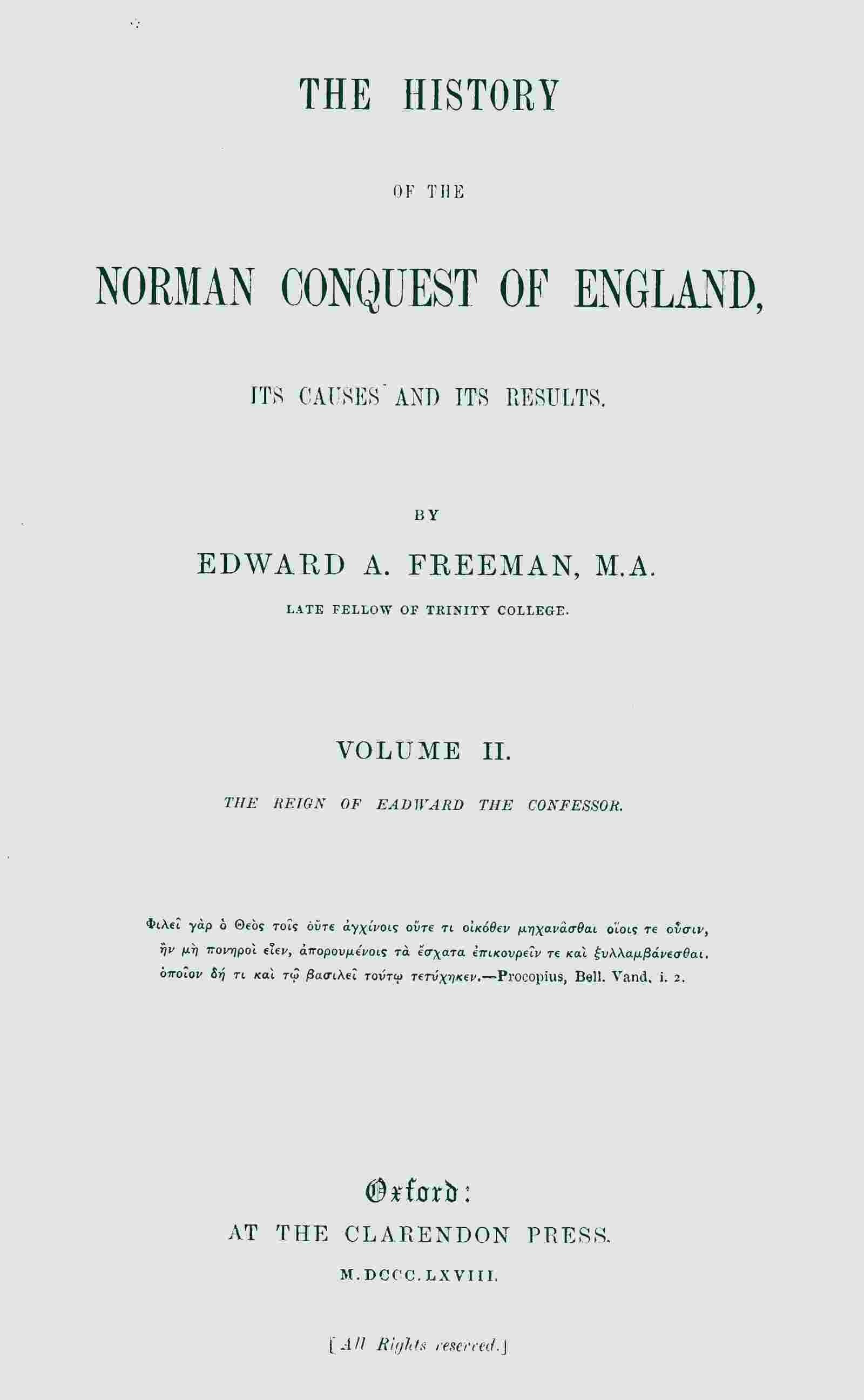




The narrative begins with the popular election and subsequent coronation of Edward the Confessor in the mid-eleventh century. As the sole available representative of the ancient royal house, Edward is chosen by the English nation to rule, largely through the powerful eloquence and influence of Earl Godwine. However, the king's deep personal preference for foreigners rapidly introduces severe domestic tensions into the realm. Norman priests and French courtiers flood the court, receiving high ecclesiastical preferments and temporal influence, which deeply alienates the patriotic English populace.
Throughout the opening years of the reign, Godwine and his sons secure vast territorial power, governing several major earldoms. Yet, the king's persistent favouritism toward aliens creates an entrenched faction hostile to the house of Godwine. The climax of this internal friction approaches with a violent affray at Dover, involving the arrogant retinue of Eustace of Boulogne. When Edward commands Godwine to punish the innocent burghers without a legal trial, the Earl firmly refuses, demanding lawful justice and a proper hearing before the Witan.
Backed by the foreign Archbishop Robert of Jumièges, the king summons the national assembly to Gloucester, where opposing military forces gather. Although a temporary civil conflict is averted through the mediation of Mercian leaders, the subsequent assembly in London turns decisively against the English Earls. Through political manœuvring and military pressure from northern rivals, Godwine and his family are outlawed and forced into exile, leaving the Norman faction at the height of its power.
Parallel to these domestic convulsions, the text details the broader geopolitical landscape of the British Isles and Northern Europe. Affairs in Scotland shift with the usurpation of Macbeth, while Gruffydd of North Wales mounts formidable challenges against English authority. Meanwhile, Scandinavian powers contend for supremacy, indirectly impacting English foreign policy and defensive naval preparations.
Finally, the narrative traces the parallel ascent of William of Normandy, laying the groundwork for his eventual invasion. The banishment of Godwine marks a temporary triumph for foreign influence, but it merely foreshadows the violent national reaction that will soon follow, setting the stage for the definitive clash between Norman and Englishman.