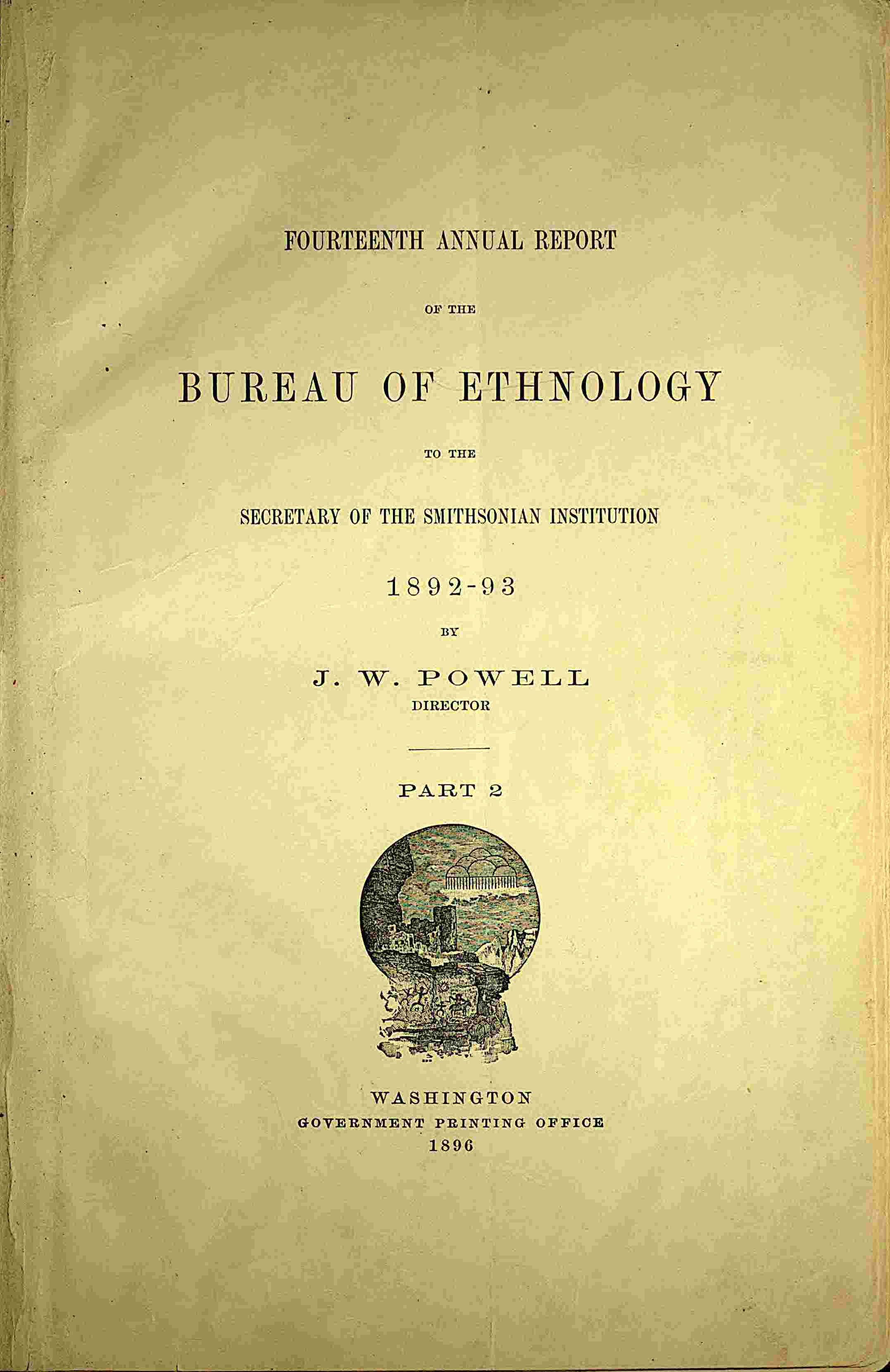



James Mooney's comprehensive historical work investigates the Ghost Dance religion and the tragic events surrounding the Sioux outbreak of eighteen-ninety. The text begins by establishing the universal human hope for a lost paradise and a returning deliverer, tracing this phenomenon through various indigenous cultures. Mooney documents earlier prophetic movements, such as the Delaware prophet and Pontiac, Tenskwatawa and the Shawnee prophet Tecumseh, Känakûk among the Kickapoo, and Smohalla in the Columbia river region. These leaders repeatedly called for tribal unity, a return to traditional ways, and a rejection of white innovations, promising the restoration of dead ancestors and the renewal of the earth.
The narrative then focuses on the origins of the Ghost Dance under Wovoka, known as the messiah, among the Paiute in Nevada. His peaceful doctrine of prayer, dancing, and righteous living spread rapidly across the western plains, capturing the imagination of tribes like the Arapaho, Cheyenne, Sioux, and Kiowa. Mooney details how this spiritual revival became entangled with deep-seated grievances over broken treaties, loss of lands, and starvation on the reservations, particularly among the Sioux.
The author provides an exhaustive account of the escalating tensions that led to the tragic events at Wounded Knee and the military campaigns against Sitting Bull and other leaders. Extensive appendices include eyewitness accounts, official reports, and statements from both military officers and native leaders, offering multiple perspectives on the outbreak. Furthermore, the work preserves an invaluable collection of traditional songs, glossary terms, and descriptions of ritual ceremonies such as the Ghost Dance itself.
Throughout the text, Mooney maintains an objective, ethnographic approach, aiming to present the native viewpoint with accuracy. He avoids simple condemnations, placing the messianic movements within the broader context of a desperate people facing the destruction of their world. The volume remains a foundational historical document for understanding indigenous history and the profound cultural trauma of the Indian wars.